In a nutshell
- 🧊 A frozen aloe cube delivers rapid cooling via phase change and leaves a semi-occlusive film that slows TEWL, helping reduce tightness, itch, and visible peeling.
- 🧪 The gel’s polysaccharides—especially acemannan—act as humectants with modest anti-inflammatory effects; choose decolourised, fragrance-free aloe to minimise irritation.
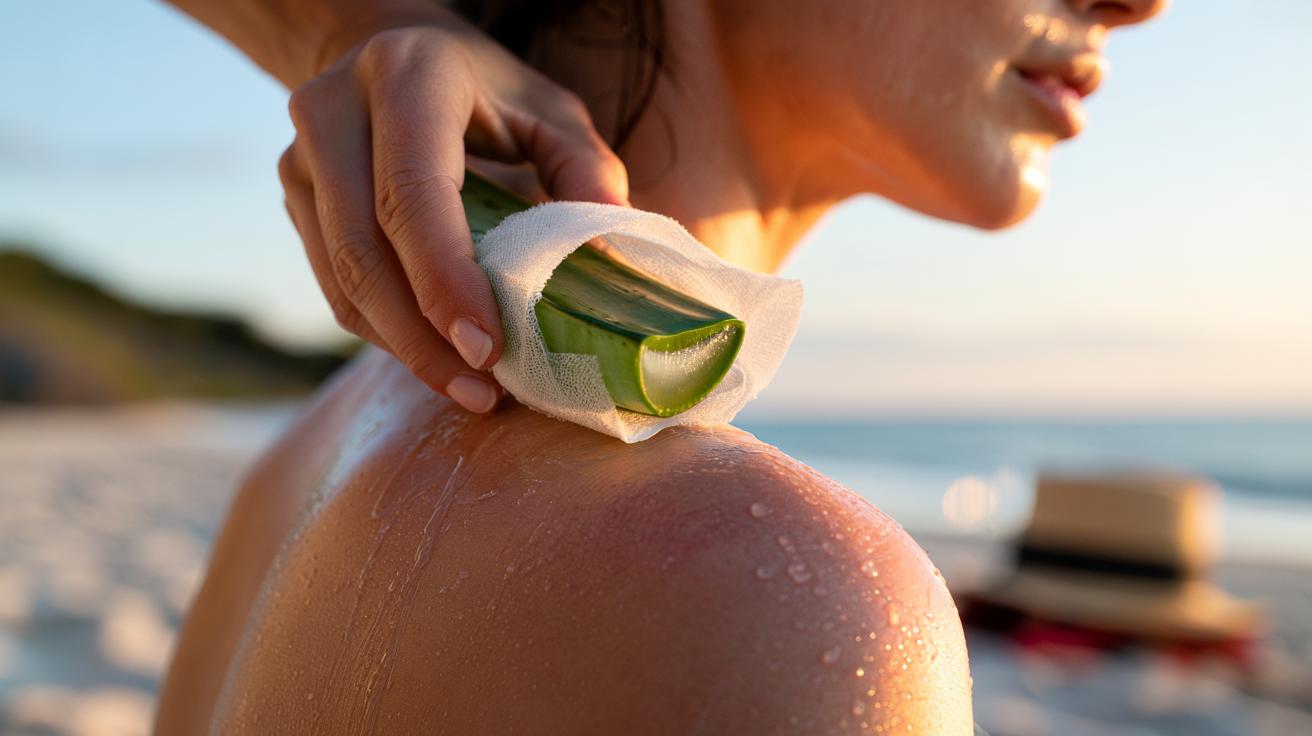
- ✅ Safe use: freeze high-purity gel, apply wrapped in gauze for 5–10 minutes, let the film settle, then seal with a bland emollient; reapply through the first 24–48 hours while avoiding friction.
- ⚠️ Best for mild sunburn without blisters; skip on broken skin, severe pain, or infection signs, and seek clinical advice if redness spreads or symptoms worsen.
- 🛡️ Keep aftercare simple—no acids or retinoids, wear loose clothing, hydrate, and use high SPF; aloe won’t undo UV damage but complements recovery by locking in moisture.
In Britain’s brief bursts of heat, a humble freezer trick has gone viral: the aloe cube for sunburn. Advocates say it “stops peeling dead”. The truth is more nuanced, yet compelling. A chilled block of aloe vera gel offers immediate cooling while forming a light film that helps the skin retain water. Peeling is often the last chapter of dehydration and cellular damage; reduce water loss fast, and flaking is less dramatic. Used correctly, an aloe cube can calm the sting and help lock in moisture during the crucial first 24–48 hours after overexposure. Here’s how the gel works, what the science suggests, and how to use it without irritating already stressed skin.
How an Aloe Cube Cools and Locks the Skin
When frozen, aloe gel becomes a slow-release coolant. As the ice melts on contact with hot, inflamed skin, it draws heat away through phase change, delivering a soothing drop in temperature. That brief chill matters: higher skin temperatures can amplify inflammatory signalling. Meanwhile, the thawing gel spreads into a thin, flexible film. This film behaves like a mild occlusive, slowing transepidermal water loss (TEWL). The quicker you limit water loss after sun exposure, the greater your chance of reducing tightness, itch, and visible peeling. The cube also encourages gentle, dabbed application—useful when rubbing would disrupt the fragile stratum corneum.
Importantly, the cube is not a cure for UV damage. Peeling reflects keratinocytes being shed after injury. Yet by replenishing moisture and providing a soft barrier, aloe can help the skin recover more comfortably. People often report less sheet-like flaking and better suppleness within a day of episodic use, particularly when the gel is followed by a bland emollient.
The Science: Polysaccharide Gel, Moisture Barrier, and TEWL
Aloe vera is rich in long-chain polysaccharides, notably acemannan, alongside pectins and sugars that behave as humectants. These attract and hold water, improving stratum corneum hydration. The gel’s polymer network creates a light film that functions as a semi-occlusive layer, helping limit TEWL. Studies on topical aloe indicate modest anti-inflammatory activity, likely from phyto-compounds that signal down regulation of redness and discomfort. Hydration plus gentle occlusion is the duo most associated with reducing the severity of post-burn peeling. While not a substitute for medical treatment, this mechanism aligns with the core dermatological advice for mild burns: cool, hydrate, protect.
Quality matters. Cosmetic-grade gels are typically decolourised to reduce aloin, a compound found in latex portions of the plant that may irritate sensitive skin. Fragrance, alcohol, and strong actives can sting; pick an aloe gel with minimal additives. For those with plant allergies—particularly to Liliaceae—do a patch test. Never apply aloe to open blisters or broken skin; infection risk outweighs any moisturising benefit.
Step-by-Step: Freezing and Applying an Aloe Cube Safely
Choose a high-purity gel (ideally 95%+ aloe, fragrance-free). Decant into a clean silicone ice tray and freeze. At first sign of redness, wrap one aloe cube in sterile gauze or a thin, clean cloth to prevent ice burn. Glide or dab for 5–10 minutes until the sting subsides, then let the film sit. Follow with a light, fragrance-free emollient to seal hydration—think glycerin and petrolatum blends. Reapply every few hours on day one; avoid vigorous rubbing, which can lift fragile cells.
Keep aftercare simple for 48 hours: cool compresses, fluids, and SPF on any re-exposed areas. Avoid retinoids, strong acids, or gritty scrubs while healing. If pain is significant, consider an oral anti-inflammatory within label guidance. Seek urgent advice for extensive burns, systemic symptoms, or rapidly worsening blisters.
| Step | Why it helps | Time/Notes |
|---|---|---|
| Freeze pure aloe gel | Delivers cooling and forms a hydrating film | Use silicone tray; cover to keep clean |
| Apply via cloth or gauze | Prevents ice burn and friction | 5–10 minutes per area |
| Let gel settle | Creates semi-occlusive barrier | Air-dry 2–3 minutes |
| Seal with emollient | Further reduces TEWL | Thin layer, fragrance-free |
When Aloe Helps — And When to Skip It
Aloe cubes are best for mild sunburn: pink to red skin that feels hot and tight without broken blisters. In this window, the gel’s cooling and humectant film can limit dehydration—the key driver of tightness, itch, and that tell-tale “snowstorm” flake. Pair with loose clothing, shade, and steady water intake. If your skin begins to peel, resist pulling at flaps; trim carefully with clean scissors and keep moisturising. Many find that regular rehydration keeps peeling fine and patchy rather than dramatic.
Skip the cube if you have deep redness, severe pain, extensive blisters, or signs of infection (ooze, fever, spreading redness). Those scenarios need clinical assessment. Be cautious if you’re using prescription topicals—particularly steroids or calcineurin inhibitors—on the same area; ask a pharmacist about sequencing. Some people prefer cool milk compresses or thermal spring water sprays; these can sit alongside aloe, but avoid layering multiple fragrances or actives. The safest routine is cool, simple, and non-irritating until the barrier recovers.
The aloe cube’s appeal is simple: quick relief and a soft, protective film that lets heat-drunk skin regain composure. While it won’t undo UV damage, hydration plus a semi-occlusive gel can minimise tightness and make peeling far less dramatic. Think of it as first aid for your skin’s moisture barrier—effective when used early, safe when kept simple, and best paired with shade and high SPF in the days ahead. Next time the sun oversteps, will you reach for the freezer and give your skin a gentler path back to calm?
Did you like it?4.5/5 (21)