In a nutshell
- 💡 Spritz perfume on the hairbrush, not directly on hair: the alcohol flashes off bristles, protecting the cuticle, avoiding scalp irritation, and creating even diffusion for a soft, 24-hour scent.
- 🔬 Hair’s keratin structure and natural lipids grip base notes (musk, amber, vanilla), while a wide surface area and gentle movement release a lasting, refined sillage without drying.
- 🧰 Method: Use a clean boar-bristle brush, mist 2–4 sprays, wait 5–10 seconds, then brush mid-lengths to ends; cushion with leave-in or oil, avoid heat because perfume is flammable, and top up lightly if needed.
- 🎛️ Choose hair mists (lower alcohol, UV protection) or Eau de Parfum for richer sillage; pair citrus with woody/musk bases, and use anti-static tools—paddle brushes for shine, anti-static combs for curls.
- ✅ Practical care: patch test if sensitive, keep fragrance off extension bonds, clean brushes weekly to prevent residue build-up, and use product choice to optimise longevity and hair health.
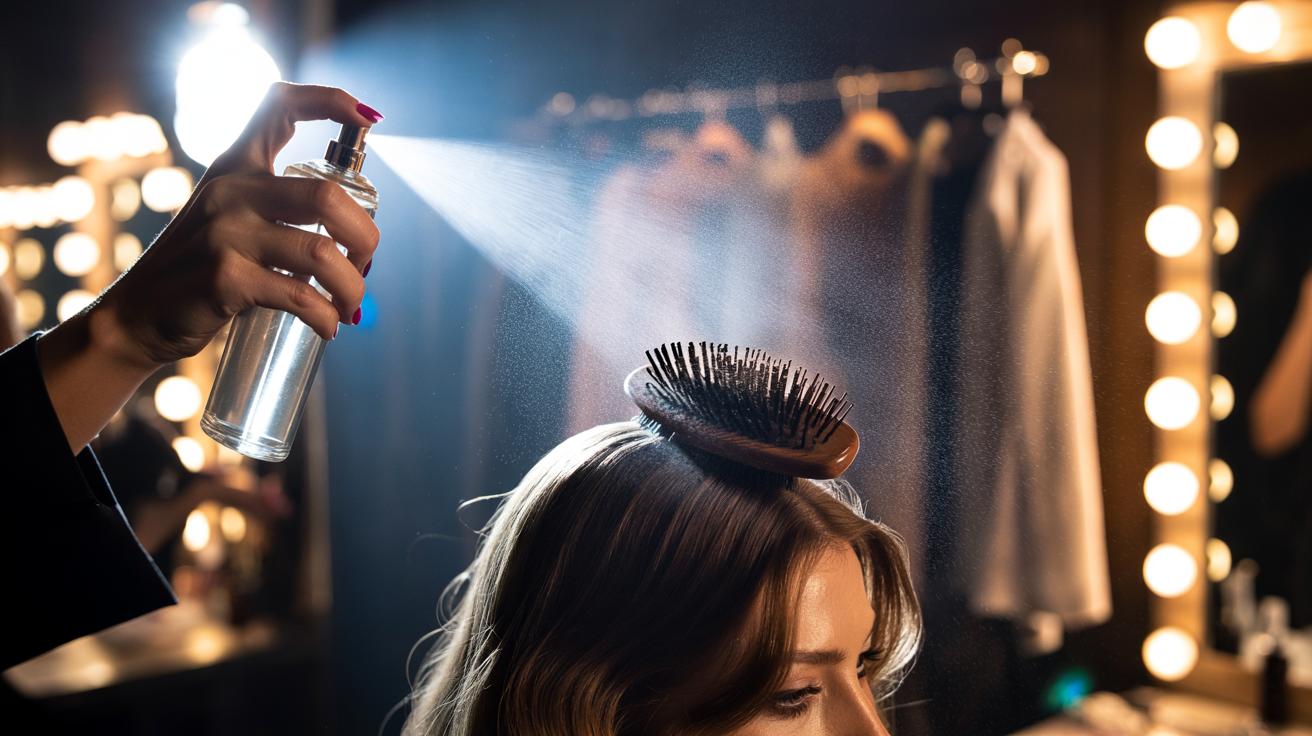
Backstage at fashion week, there’s a quiet ritual that editors clock with curiosity: stylists mist fragrance onto a hairbrush, not directly onto hair. The result is a veiled halo of scent that outlasts a late call time, a taxi dash, and the after-party. This deft trick preserves the fibre’s suppleness while delivering 24-hour scent that feels intimate rather than overpowering. By perfuming the tool, not the tresses, professionals keep alcohol away from the scalp, distribute aroma evenly, and avoid the crispness sprays can cause. The brush becomes a diffuser, feathering perfume through lengths so it clings to strands without drying them out. It’s practical, elegant, and disarmingly effective.
Why Stylists Perfume the Brush, Not the Hair
Spritzing a perfume cloud over a brush means the volatile alcohol flashes off the bristles first, so what reaches the hair is a lighter load of fragrance and fewer dehydrating solvents. Hair is a keratin structure with a protective cuticle; hit it with straight perfume and the cuticle can lift slightly, inviting dryness and static. The brush method avoids that shock. As the bristles sweep from mid-lengths to ends, fragrance binds to the natural lipids and sebum already on the fibre, which act as a soft-focus fixative. The diffusion is even, so you get a whisper of scent with movement rather than a harsh, concentrated blast.
There’s also stagecraft at play. Stylists need a consistent result across looks and lighting, and a perfumed brush delivers a controlled, repeatable finish. It won’t smudge complexion products at the hairline or clash with texturisers. Crucially, it keeps perfume off the scalp, reducing irritation risk. The technique is quick, hands-off, and keeps hair pliable so it can be restyled without stiffness hours later.
The Science Behind 24-Hour Scent
Why does aroma linger longer on hair than on skin? Strands are slightly porous and coated in a hydrophobic mix of lipids that grip fragrance molecules—especially heavier base notes like musk, amber, and vanilla. Unlike skin, hair doesn’t perspire or undergo the same pH shifts, so fewer factors disrupt the scent profile. The brush distributes perfume in micro-doses across countless fibres, creating a large surface area for gradual release. This wide, airy application is the secret to a day-long trail that reads as clean and expensive rather than loud.
Alcohol is the usual culprit when hair feels parched after spraying fragrance directly. With the brush technique, much of that alcohol evaporates before contact, and what remains is buffered by sebum and any leave-in you’ve applied. Cooler ambient temperatures and low humidity help longevity, but even in a bustling city commute, the movement of hair reanimates sillage. Think of it as a dry diffuser you carry with you: every turn of the head lifts fresh notes without stripping moisture from the cuticle.
A Stylist-Approved Step-by-Step Method
Start with detangled, dry hair. Choose a clean, boar-bristle or mixed-bristle brush; the natural fibres are gentle and excel at distributing oils. Hold the brush at arm’s length and mist 2–4 sprays of your chosen fragrance across the bristles. Wait five to ten seconds to let excess alcohol flash off. Work from mid-lengths to ends, brushing in long, light strokes so fragrance drifts through the hair rather than soaking the scalp. If your hair is fine or root-prone, keep the brush away from the first few centimetres near the scalp to avoid weight.
For thirsty or colour-treated hair, smooth a pea-size amount of unscented leave-in or a drop of heat-free hair oil through the ends before perfuming; this creates a protective cushion that also anchors scent. Avoid heat tools until hair is completely dry and the alcohol has evaporated—perfume is flammable and heat can accelerate dryness. Need a top-up? One light pass in the late afternoon is enough. The aim is a soft aura that’s intimate at conversation distance, not room-filling.
Formulas, Notes, and Tools That Work
Yes, your favourite eau de parfum will do, but hair-specific mists often contain lower alcohol, conditioning agents, and UV filters that are kinder to the cuticle. If you love bright citrus, layer it with a subtler musk or woody base to keep the sparkle present after lunch. Heavier notes linger longest in hair, while light top notes benefit from anchoring or reapplication. Tools matter too: boar bristles lend shine and slip; cushioned paddle brushes minimise mechanical stress; anti-static combs are useful for curls and coils to avoid frizz while still diffusing scent.
| Product Type | Typical Alcohol % | Pros for Hair | Longevity on Hair | Tips |
|---|---|---|---|---|
| Hair Mist | Low–moderate | Conditioning agents, UV protection | Good (8–12 hours) | Ideal for daily use, colour-treated hair |
| Eau de Parfum | Moderate–high | Rich sillage, complex bases | Very good (12–24 hours) | Spritz brush only; let alcohol flash off |
| Eau de Toilette | Moderate | Fresh lift, lighter profile | Fair (6–10 hours) | Layer with hair oil or musk for grip |
If you’re sensitive, patch test; some aromachemicals can irritate the scalp if overused. Keep fragrances away from extensions’ bonds, and always clean your brush weekly to prevent residue build-up that can muddle the bouquet.
The runway trick of perfuming the brush is an elegant compromise: the indulgence of a signature scent with the health of supple, glossy hair. It’s fast, repeatable, and adaptable—equally at home before a board meeting or a black-tie gala. When perfume meets bristles first, hair keeps its moisture and gains a 24-hour aura that feels effortless. Which notes would you choose for your own hair halo—creamy woods, soft musk, or a sharply cut citrus—and how might you tailor the technique to your texture and routine?
Did you like it?4.4/5 (23)