In a nutshell
- 🔬 Science: Extra-virgin olive oil, rich in oleic acid, forms a light protective film that reduces hygral fatigue, smooths the cuticle, and helps prevent split ends—though it can’t repair existing ones.
- 🇫🇷 Ritual: A French-style, minimalist habit—warm a few drops and massage into the last 5–8 cm before bed; pair with a silk/satin pillowcase and gentle styling for a subtle, polished finish.
- 🛠️ How-To: Use 2–4 drops on dry or slightly damp hair, focusing on ends only; finger-comb for even spread, layer with a light leave-in if needed, and remember the less is more rule.
- 🔁 Alternatives & Care: Choose squalane or argan for fine hair and coconut for porous ends; avoid the scalp, skip oil before heat styling, clarify if there’s build-up, and book micro-trims every 8–12 weeks.
- ✨ Results: Expect smoother alignment, softer shine, and longer gaps between trims; with steady consistency, the ends stay supple, yielding a visibly healthier, “split-end-free” look.
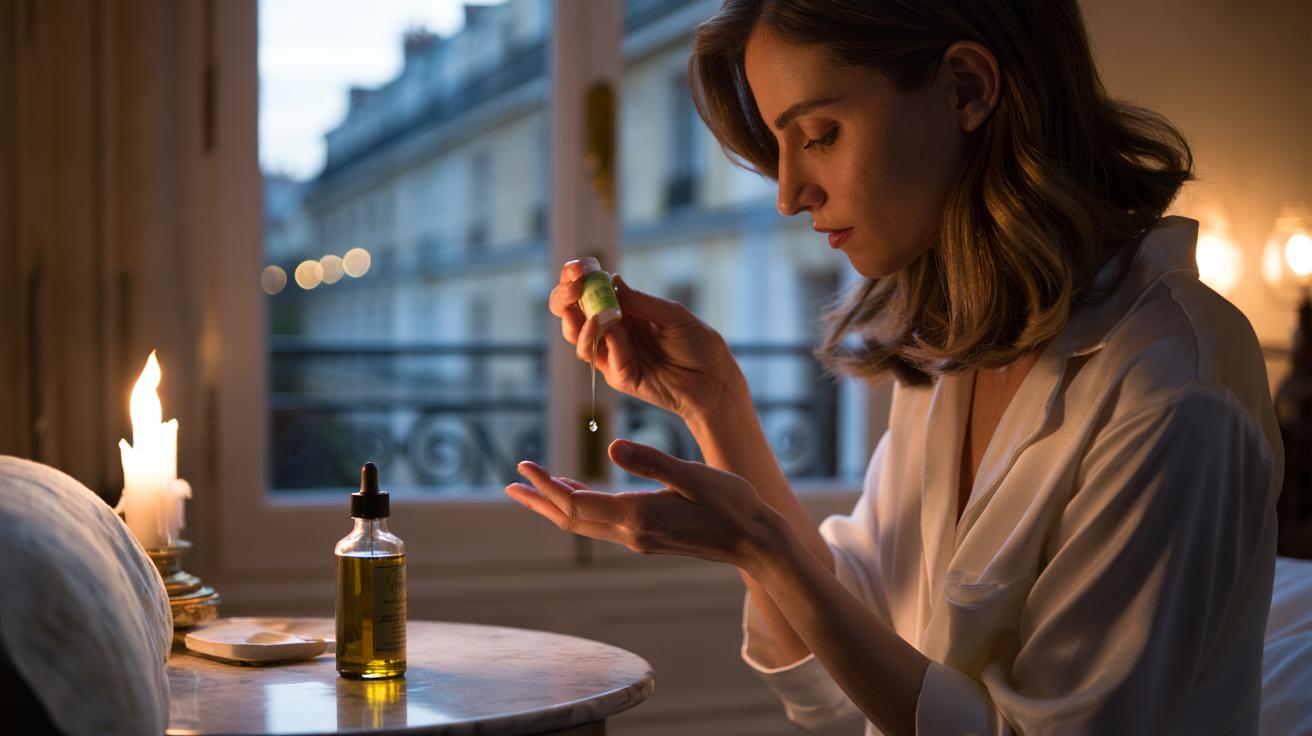
Ask a Parisian hairdresser and you’ll often hear the same tip: before bed, smooth a few drops of extra-virgin olive oil into the ends. This unfussy ritual, whispered down generations, sits at the heart of the French approach to hair care: minimal products, maximal payoff. The logic is simple. Olive oil is rich in emollient lipids that cushion fragile fibres, helping prevent the fraying that becomes split ends. Used consistently, the habit functions like a nightly cuticle shield. It’s thrifty, quick, and gloriously low-tech—an antidote to over-styling and product overload. Here’s why it works, how to do it properly, and when to choose alternatives.
The Science Behind Olive Oil on Hair Ends
Hair’s outer layer, the cuticle, is a stack of microscopic scales. Friction, heat, UV, and rough brushing chip at those scales, exposing the cortex and inviting splits. Extra-virgin olive oil, dominated by oleic acid, is an excellent emollient that glides between raised scales to reduce surface roughness and water-swelling. That lowers hygral fatigue, the cycle of expansion and contraction that weakens ends. By forming a light, semi-occlusive film, olive oil helps keep internal moisture in and aggressors out during the hours you sleep. Less swelling and less friction equals fewer micro-tears—the precursors to splitting.
There’s also a cosmetic payoff. Olive oil’s monounsaturated profile leaves ends looking smoother and better aligned, so strands reflect light more evenly. While no oil can “heal” a split, preventing its formation is realistic. Think of nightly oiling as a protective topcoat for the most vulnerable centimetres of hair. Pair it with gentle detangling and low heat, and you’ll extend the time between trims without sacrificing shine or movement.
A Bedtime Ritual Rooted in French Beauty Culture
French beauty culture venerates small, habitual acts that protect rather than radically transform. The pre-sleep oil massage reflects that ethos. A few drops of extra-virgin oil are warmed between palms, then pressed and twirled into the last 5–8 cm of hair, not the scalp. This is a “less is more” practice: it’s about whisper-light cushioning, not lacquered ends. In coastal regions, where salt and sun roughen cuticles, the ritual doubles as a nightly repair. In Paris, it counters urban pollution and office air-con that sap moisture.
The routine fits neatly with other Gallic staples: a silk or satin pillowcase to cut friction, low-heat styling, and strategic trims. French pharmacists often recommend simple oils before heavy serums, framing them as a first line of mechanical defence. Consistency beats quantity—three nights a week can be transformative for brittle tips. The result is hair that reads as “lived-in” and polished, not over-processed, with ends that feel supple rather than crisp.
How to Do It: Step-by-Step, with Pro Tips
Start with dry or slightly damp hair; damp makes distribution easier. Dispense 2–4 drops of olive oil (fine hair needs less, coils need more), rub between hands to thin the texture, then scrunch and ribbon the oil through the final section of your lengths. Stop well before the mid-lengths if your hair is fine or gets oily. Comb through with fingers or a wide-tooth comb to spread evenly. Sleep on a silk or satin pillowcase to reduce overnight abrasion. In the morning, most hair types won’t need to rinse—just restyle.
If your ends still feel thirsty, upgrade to a “layering” approach: mist with water, add a pea of lightweight leave-in, finish with a drop of olive oil to seal. Curly and coily textures can benefit from braiding or twisting after application to lock in the film. Colour-treated hair appreciates the softness but keep oil away from fresh dye for 72 hours. When in doubt, use less—shine should be soft, never slick.
Alternatives, Add-Ins, and When to Skip It
Not every head of hair loves the same lipid mix. Olive oil is versatile, yet some prefer faster-absorbing options or blends that mimic hair’s natural ceramides. If your strands collapse easily, reach for squalane or argan; if you need stronger occlusion, a touch of coconut can help guard against swollen, frizzy ends. Aim for slip without weight, protection without residue. Keep oils on the ends; those with scalp concerns or acne-prone skin should avoid massaging oils onto the hairline.
| Oil | Key Fatty Acids | Texture/Weight | Best For | Scent |
|---|---|---|---|---|
| Olive (Extra-Virgin) | Oleic, Linoleic | Medium | Dry, weathered ends | Green, fruity |
| Argan | Oleic, Linoleic | Light–Medium | Fine–normal hair | Nutty, mild |
| Squalane | Hydrocarbon | Ultra-light | Very fine hair | Neutral |
| Coconut | Lauric | Heavier | Porous, frizz-prone ends | Coconut |
If you use heavy stylers, cleanse regularly to avoid dull build-up on tips. Skip nightly oiling before heat styling—apply after, not before, to avoid singeing. Even with diligent oiling, schedule micro-trims every 8–12 weeks; prevention and maintenance work hand in hand. Travellers can decant a week’s supply into a tiny dropper; two drops per night often suffice. Blend a drop of vitamin E oil into your bottle to enhance stability if it sits on a sunny shelf.
In an age of elaborate routines, the French habit of oiling ends before sleep endures because it is elegant, inexpensive, and grounded in hair fibre science. A few seconds, a few drops, and your most vulnerable centimetres gain a protective cushion that keeps them pliant and smooth. When you protect the ends, the whole silhouette looks healthier. Will you try olive oil as your nightly cuticle shield, or will your hair be happier with a lighter alternative like squalane—and what difference will you notice after a month of consistency?
Did you like it?4.6/5 (30)