In a nutshell
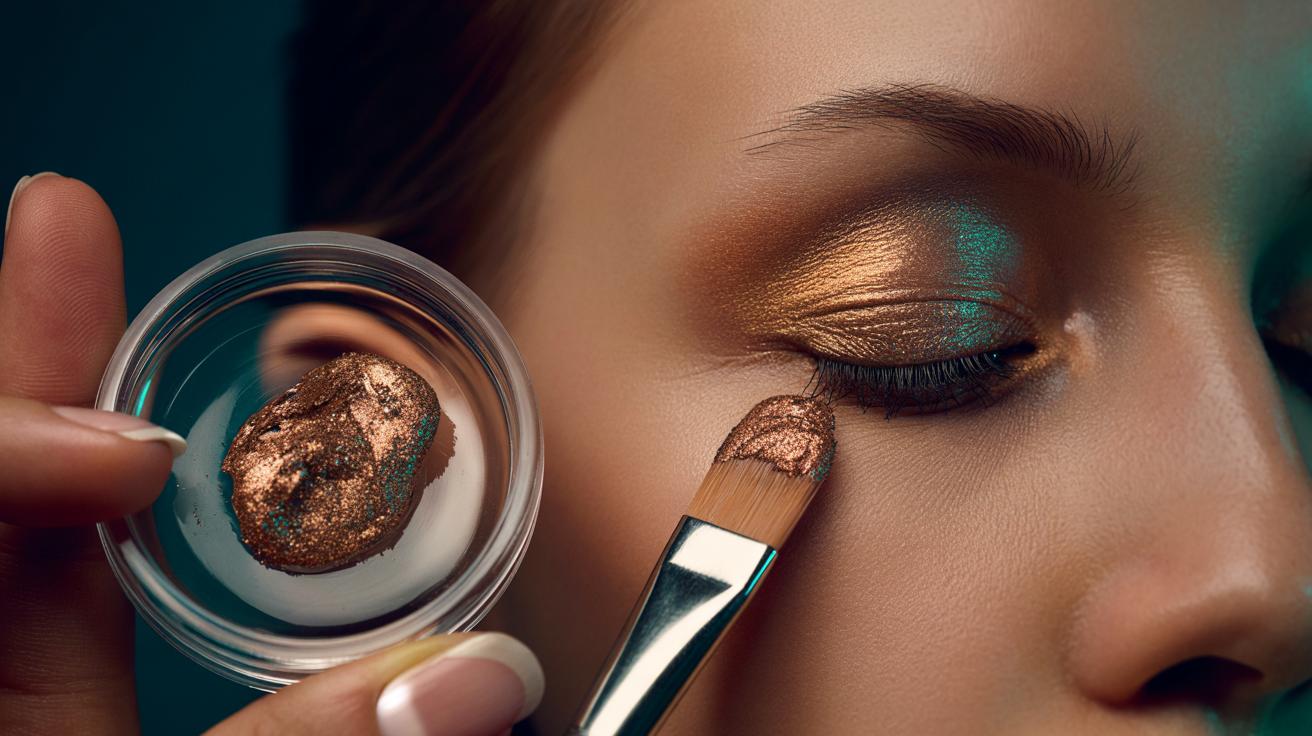
- ✨ The Vaseline + metallic eyeshadow trick suspends pigment in an occlusive base, turning powder into a glossy cream foil with richer colour, smoother glide, and reduced fallout.
- 🧪 How-to: Prep lids, then mix roughly 1 part Vaseline to 2–3 parts pigment into a dense paste; press on in thin layers and optionally “lock” with a tap of dry shadow for extra sparkle.
- 🛡️ Safety & skin: Petroleum jelly is non-comedogenic but heavy—use thin layers, stick to eye-safe powders, avoid the waterline and lash extensions, and remove with a balm then a gentle cleanser.
- ⏳ Wear boosts: Keep the base dry, use a conservative jelly ratio, set crease edges with translucent powder, and fuse edges by misting a brush with setting spray.
- 🔁 Alternatives: Choose mixing mediums, balm primers, or glitter glue when you need lighter texture or longer wear; pick based on desired finish, cost, and longevity.
The internet’s latest beauty shortcut hinges on two humble staples: Vaseline and a metallic eyeshadow pan. When blended correctly, the dry pigment morphs into a glossy, high-impact cream foil that looks editorial yet wears comfortably for day or night. It’s quick, affordable, and portable. The trick also rescues crumbly pans and lets you tailor the opacity from sheer sheen to liquid metal. The key is control—too much jelly and the look slips, too little and you lose that mirror-like payoff. Below, a clear, step-by-step guide, the science behind the shift, and smart safety precautions so you can experiment with confidence.
Why Vaseline Transforms Metallic Pigments
Vaseline (petroleum jelly) is an occlusive that seals in moisture and creates a smooth, light-reflective film on skin. Metallic shadows contain mineral particles that scatter light; when those particles are suspended in the jelly’s semi-solid base, the surface becomes more uniform and reflective. The result is a sleek, almost wet-looking foiled finish that powder alone struggles to achieve. The jelly also improves slip, so pigment glides evenly rather than clinging to texture.
Because petroleum jelly is oil-based, it grabs powder and anchors it where placed. This micro-bonding cuts down on fallout and deepens colour saturation. Think of it as turning a dusty stack of glittering plates into a single polished mirror. The mixture also softens edges effortlessly—ideal for a modern, diffused metallic eye that still reads high-shine. With a measured ratio, the blend sets into a cream that feels cushioned, not greasy.
Step-by-Step: Turning Powder Into Cream Foil
Start with clean lids and apply a thin veil of matte eye primer or a whisper of translucent powder to reduce slip. On a mixing tile or the back of a sanitised hand, scoop a rice-grain amount of Vaseline. Using a spatula or clean brush, scrape a small mound of metallic shadow beside it. Begin mixing at roughly 1 part jelly to 2–3 parts pigment, adjusting until you achieve a dense, glossy paste. Less jelly equals more impact and better wear.
Tap the blend onto the lid with a flat synthetic brush or fingertip, pressing rather than swiping to maintain opacity. Build in thin layers, focusing the brightest concentration at the centre for a spotlight effect. If you want a sharp graphic edge, trace with a pencil first and fill with the cream foil. For extra dimension, pat a pinch of dry shadow on top while the surface is tacky—it “locks” the foil and adds a 3D sparkle.
Wear, Safety, and Skin Compatibility
Petroleum jelly is generally considered non-comedogenic, but it is heavy. If you’re prone to milia around the eyes, keep layers thin and avoid daily use. Only mix with eye-safe powders—avoid craft glitter or non-cosmetic pigments. Contact lens wearers should apply sparingly and keep the blend away from the waterline to minimise migration. Those with hooded lids can concentrate product below the fold and set the edges with a coordinating matte shadow to reduce transfer.
Longevity hinges on prep. A dry base and conservative jelly ratio improve grip. To extend wear, tap a sliver of translucent powder along the crease boundary, or mist a brush with setting spray and gently fuse the edges. Avoid this trick over lash extensions, as oils weaken adhesive. Removal is simple: sweep away with a balm or oil cleanser, then follow with a gentle water-based wash. If irritation occurs, stop use and patch-test before trying again.
Alternatives and When They’re Better
While Vaseline is accessible and glossy, it isn’t the only route to foil. Mixing mediums and glitter adhesives can offer lighter textures and longer wear, especially under hot lights or long days. Balmy eye primers split the difference, adding glide without as much slip. Choose based on your finish goals, sensitivity, and schedule.
| Option | Cost | Finish | Longevity | Best For |
|---|---|---|---|---|
| Vaseline + Shadow | Low | High-shine, wet foil | Moderate | Quick looks, glossy editorial |
| Water-Based Mixing Medium | Medium | Metallic, less glossy | High | All-day wear, oily lids |
| Balm Primer | Medium | Soft sheen | Medium-High | Textured lids, subtle glow |
| Glitter Glue | Medium | Intense, sparkly hold | Very High | Chunky shimmer, parties |
If maximum endurance is your priority, a mixing medium or glitter glue beats jelly. For artistry and speed, the Vaseline blend wins on convenience and shine.
The Vaseline-plus-eyeshadow hack thrives on simplicity: a measured squeeze of occlusive slip, a heap of metallic pigment, and purposeful placement that catches light from every angle. With smart prep and a restrained ratio, you get a custom cream foil that looks luxe, photographs beautifully, and wipes away cleanly at day’s end. Keep hygiene tight, stick to eye-safe pigments, and refine your mix on a tile until the texture feels “elastic.” Ready to try it on bronze, pewter, or a punchy duochrome—what finish and shade will you transform first?
Did you like it?4.4/5 (30)