In a nutshell
- 🫖 A used tea bag press can deflate under-eye puffiness via cooling, caffeine, and tannins, offering a quick, visible yet temporary freshening effect.
- 🧠 Mechanism: caffeine-driven vasoconstriction limits capillary leak, cold calms inflammation, and gentle pressure nudges lymph flow—a practical “microvascular reset.”
- 📝 How-to: brew black or green tea, cool 10–15 minutes, press on closed lids for 5–10 minutes, then moisturise; avoid flavoured blends and never use hot bags.
- ⚠️ Safety and limits: do not reuse bags, patch test sensitive skin, skip during eye infections or post-surgery, and see a professional for persistent or painful swelling.
- 🍵 Tea choice: black (higher caffeine, astringent) suits marked puffiness; green adds EGCG antioxidants; decaf mainly offers cooling with milder results.
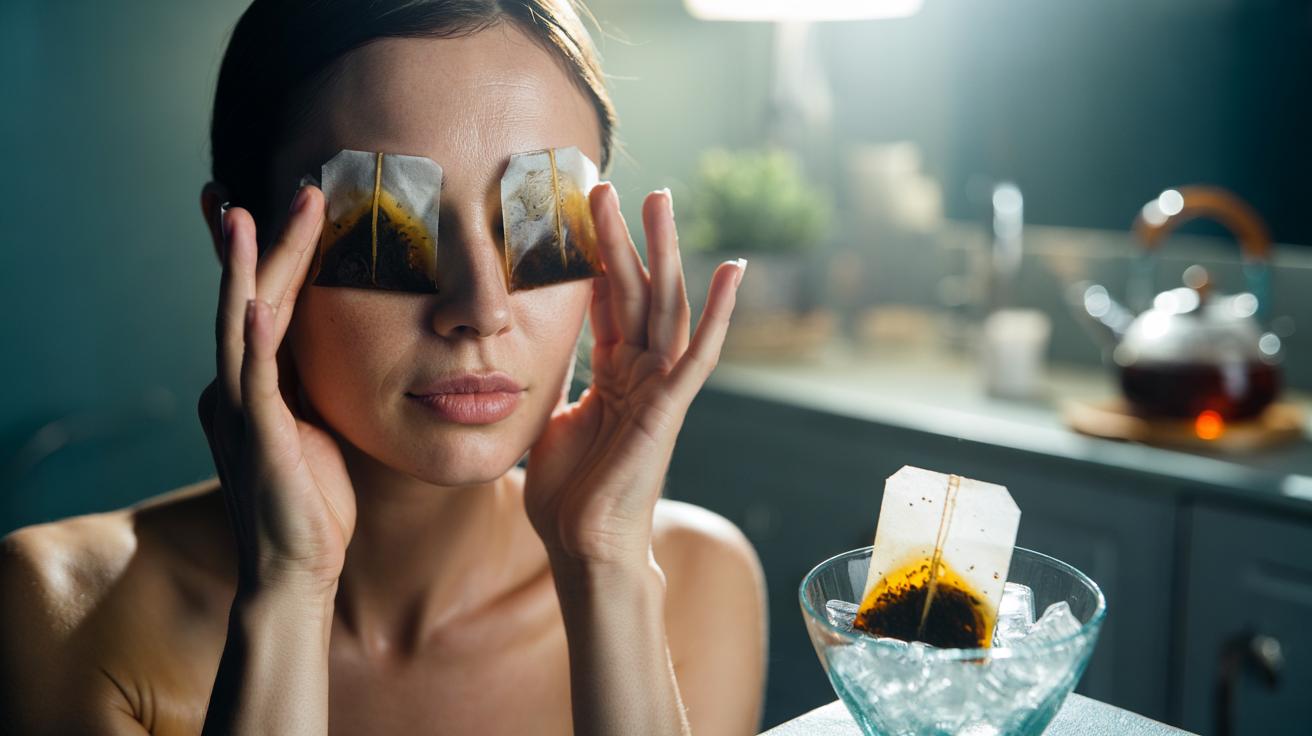
Across British bathrooms and newsdesks alike, a humble hack is steeping: the used tea bag press that promises to shrink under-eye puffiness before a broadcast, meeting, or school run. The idea is simple but alluring—press a cooled, caffeinated tea bag onto the lids and watch swelling recede. The reality is subtler: caffeine, tannins, and cold act together to tighten skin and calm fluid build-up, delivering a fresher look with minimal faff. It’s not magic, but a quick, accessible fix rooted in basic physiology. Here’s how caffeine “drains,” what actually happens to periorbital tissues, and how to do it safely at home.
Why a Used Tea Bag Can Deflate Morning Puffiness
Under-eye puffiness is often a cocktail of fluid retention, sluggish lymphatic flow, and dilated microvessels. A used tea bag—ideally black or green—delivers three helpful forces. First, the cold compress effect constricts superficial blood vessels, reducing redness and seepage. Second, caffeine promotes vasoconstriction, curbing capillary leakage that feeds periorbital oedema. Third, tea’s tannins act as mild astringents, tightening the skin’s surface for a crisper contour. Add gentle pressure and you nudge fluid back towards lymph channels. The result is a real, if temporary, soft-focus on bags and morning swelling.
The operative word is “temporary.” Sleep debt, high salt intake, alcohol, allergies, and genetics still steer the long game. Yet the method is practical: it repurposes what’s already brewed, minimises costs, and avoids heavy concealers. Used bags hold enough actives without being scalding, and cooling them intensifies the de-puffing effect. Think of it as a quick broadcast polish rather than a permanent edit.
The Science of Caffeine: How It Drains Under-Eye Oedema
Topically, caffeine constricts blood vessels by antagonising adenosine receptors, which narrows the lumen and slows the fluid escape that feeds puffiness. It also improves skin tone by reducing erythema. Green and black teas add polyphenols—notably EGCG in green—which calm oxidative stress and may modulate inflammatory pathways around the lids. Meanwhile, the cool temperature reduces enzymatic activity and histamine-driven swelling. This is a triple action: constrict, calm, and cool.
The “drain” is less a diuretic flush than a microvascular reset plus gentle mechanical pressure assisting lymph movement. That’s why a light, steady press works better than rubbing. Contact time matters: five to ten minutes per eye is usually enough. Very sensitive skin benefits from shorter intervals and a patch test on the wrist. Caffeine won’t erase fat pads or herniated tissue, but it can flatten the transient morning bulge caused by late nights, salty dinners, or hay fever.
How to Use a Tea Bag Press Safely and Effectively
Brew two caffeinated tea bags (black or green), then squeeze lightly and cool them in the fridge for 10–15 minutes in a clean container. Recline, close your eyes, and press one bag onto each lid, angling the base towards the under-eye hollow. Maintain gentle, even pressure without dragging for 5–10 minutes, swapping once if they warm. Pat dry and apply a light moisturiser or sunscreen. Hygiene is critical: use clean bags, store briefly, and discard after one use.
| Tea Type | Caffeine | Key Benefit | Best For | Caution |
|---|---|---|---|---|
| Black | High | Vasoconstriction, astringency | Marked morning puffiness | Can feel drying on sensitive skin |
| Green | Moderate | EGCG antioxidants | Redness-prone skin | Patch test for sensitivity |
| Decaf | Low | Cooling only | Mild puffiness | Less impact on swelling |
Skip flavoured or perfumed blends that may irritate the eye area. If you wear contact lenses, remove them first. Never use hot bags. If you’re pressed for time, store a few freshly brewed, labelled bags in the fridge for up to 24 hours in a sealed, clean tub. For extra glide, add a dot of hyaluronic acid serum after pressing.
Limits, Risks, and When to See a Professional
There are boundaries to the trick. Persistent or painful swelling needs clinical assessment, as thyroid disease, kidney issues, sinus inflammation, or dermatitis can sit behind stubborn bags. Those with rosacea, eczema, or very reactive skin should patch test and keep contact brief. Avoid chamomile if you have ragweed allergies. Do not reuse tea bags; bacteria love damp, nutrient-rich fibres. And skip the hack entirely if you have an eye infection, a stye, recent eyelid surgery, or fresh fillers near the tear trough.
Think lifestyle, too. Reduce late-night salt, elevate your head, and prioritise sleep for a lasting effect. UV protection matters: under-eye hyperpigmentation worsens the look of bags. If fat prolapse is the culprit, topical caffeine won’t remodel anatomy; dermatologists may discuss lasers, peels, or surgery. Still, as a newsroom-friendly fix before the red light flashes, a chilled, caffeinated tea bag press is safe, swift, and economical when used with common sense.
A used tea bag press won’t rewrite your genetics, but it can buy back brightness on the mornings that matter. The mix of cooling, caffeine, and tannins tightens contours and tempers fluid, creating a believable, well-rested finish in under ten minutes. Keep it clean, keep it cold, and keep expectations realistic. If puffiness persists or comes with redness and pain, ask a clinician rather than reaching for another brew. When the alarm goes off tomorrow, will you be reaching for the kettle—or booking a proper sleep instead?
Did you like it?4.6/5 (22)