In a nutshell
- 🧪 Fermented rice water deposits inositol, amino acids, and gentle organic acids that smooth the cuticle and reduce breakage, making gains look like up to 3 cm/month via stronger length retention rather than faster follicle growth.
- 🍚 Prep safely: rinse ½ cup rice, soak, then ferment 24–48 hours to reach about pH 4–5; briefly heat to halt fermentation, refrigerate up to 7 days, and discard if odour turns pungent or texture becomes slimy.
- 💧 Use diluted: mix 1:3–1:5 (ferment:water), apply post‑shampoo for 5–10 minutes, rinse, then condition; start weekly, adjust by hair type, and always do a patch test to avoid irritation.
- 👩🦱 Best for high‑porosity, colour‑treated, heat‑stressed, and curly/coily hair; be cautious if protein sensitive or very low porosity, and remember it’s not a replacement for medical treatments for pattern hair loss.
- 📊 Evidence is moderate for strengthening/conditioning and preliminary for follicle stimulation; track progress with monthly photos and pair with trims, heat protection, and gentle cleansing for realistic, compounding results.
Beauty lore credits a humble kitchen staple with extraordinary power: fermented rice water. The claim doing the rounds is bold — hair that appears to grow up to 3 cm faster per month. The science is more nuanced, yet compelling. Fermentation enriches rice water with amino acids, inositol, and gentle organic acids that can support the scalp and reduce breakage along the shaft. By improving length retention, hair can seem to race ahead even if follicles grow at their usual pace. The trick is not magic, but smart biology and routine. Here, I unpack what’s genuinely evidence-based, where the hype begins, and how to prepare a safe, effective rinse that respects both your hair’s integrity and your scalp’s microbiome.
How Fermented Rice Water May Speed Up Visible Growth
Average scalp hair grows about 1–1.25 cm per month, but split ends and friction can rob much of that progress. Fermented rice water deposits inositol and starch that cling to fibres, reducing surface roughness and breakage. During fermentation, microbes generate peptides and organic acids that nudge the pH slightly acidic, helping the cuticle lie flatter. The result is smoother strands that hold together for longer, so the length you gained isn’t lost to snapped ends. The apparent “3 cm faster” effect often reflects improved retention rather than turbocharged follicle speed. Many users report fuller ends within eight weeks, which aligns with reduced mechanical damage.
The scalp may benefit too. A mild, acidic rinse can support a balanced microbiome and calm light irritation after cleansing. Better scalp comfort can reduce itching and scratching — two stealthy sources of breakage. Think of fermented rice water as a supportive environment for hair, not a standalone cure-all. Used consistently, it can make existing growth truly count.
The Science: What Studies and Data Say
Laboratory work shows inositol from rice binds to hair and persists through rinsing, lowering friction and strengthening fibres. Fermentation (often with Lactobacillus species) increases antioxidants and produces lactic acid, which can condition the cuticle and encourage a scalp-friendly pH. Small cosmetic studies report improved combing force and elasticity after rice-derived treatments. Early cell models hint that certain rice ferments may support dermal papilla vitality under oxidative stress, but these are preclinical signals. There are no robust, peer‑reviewed trials proving a universal 3 cm monthly growth acceleration; the strongest evidence supports reduced breakage and better manageability — gains that look like faster growth in the mirror.
| Component | Proposed Action | Evidence Strength |
|---|---|---|
| Inositol | Binds hair, reduces friction, improves resilience | Moderate (lab and cosmetic tests) |
| Amino acids/peptides | Conditioning of the cuticle; temporary fortification | Moderate (cosmetic literature) |
| Organic acids (lactic) | Lower pH; smoother cuticle; scalp comfort | Moderate |
| Antioxidants (ferulic, phenolics) | Protects from oxidative stress | Preliminary |
| Follicle stimulation | Potential support of dermal papilla cells | Preliminary (in vitro) |
How to Prepare and Use It Safely
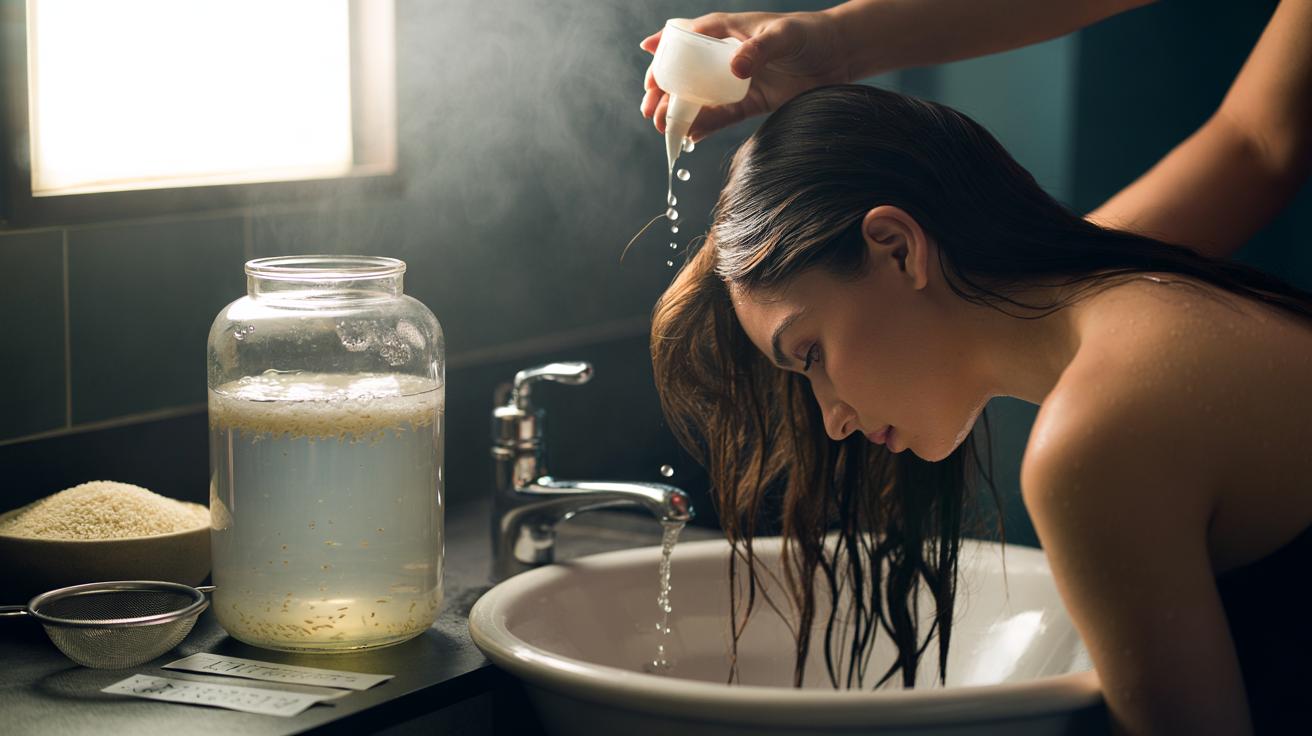
Rinse ½ cup of plain white or jasmine rice to remove surface dust. Cover with 2 cups filtered water and soak 30 minutes, swirling to release nutrients. Decant the cloudy liquid into a clean jar, loosely cover, and leave at room temperature (20–25°C) for 24–48 hours to ferment. When it smells lightly sour and floral, it’s ready. If you have pH strips, aim for pH 4–5. To halt fermentation, briefly heat until steaming and cool. Refrigerate and use within 7 days. Discard if the odour turns pungent or the texture feels slimy.
Before application, ensure dilution: mix 1 part ferment with 3–5 parts water to avoid brittleness. After shampooing, pour slowly onto scalp and lengths, massage for 60 seconds, leave 5–10 minutes, then rinse and follow with a moisturising conditioner. Start weekly; fine or oily hair may prefer every 10 days, very dry or low‑porosity hair every two weeks. Always perform a 24‑hour patch test behind the ear. If hair feels stiff, increase dilution or reduce frequency.
Who Benefits, and Who Should Be Careful
Those battling mid‑shaft snaps, frayed ends, or roughness after heat styling often see the biggest wins, as reduced breakage quickly translates into visible length. High‑porosity or colour‑treated hair tends to welcome the cuticle‑smoothing effect. Fine hair may enjoy extra body from residual starch, though an extra rinse can prevent heaviness. Curly and coily textures can use it as a pre‑conditioner step, followed by ample hydration to keep coils supple. Consistent, gentle use typically matters more than high concentration.
Proceed cautiously if your hair is very low porosity or “protein sensitive”, as overuse can cause stiffness. People with active scalp conditions, open sores, or severe dandruff should seek medical advice first. Fermented rice water does not replace clinically proven treatments for pattern hair loss; if shedding is persistent or widening parting is noticeable, consult a GP or dermatologist. For children or during pregnancy, stick to brief contact times and mild dilutions, or skip entirely if irritation occurs.
Fermented rice water earns its “science‑backed” badge by reducing friction, fortifying fibres, and supporting an agreeable scalp pH — outcomes that can make hair look as though it’s surging ahead by centimetres each month. The headline number is best understood as accelerated length retention, not a guaranteed change to follicle speed. If you try it, document baseline length, take monthly photos, and adjust dilution to your hair’s response. Pair the rinse with smart basics: a gentle shampoo, heat protection, and regular trims. Ready to test the trick methodically — and see how much extra length you can bank over the next eight weeks?
Did you like it?4.6/5 (22)