In a nutshell
- 💧 A final cold water blast helps “set and seal” curls by stabilising temporary hydrogen bonds, smoothing the cuticle, boosting shine, and reducing frizz for up to three days.
- 🧭 Routine: apply leave-in and cream/gel on wet hair, diffuse to 80–90% dry, then rinse each section with cold water for 10–30 seconds and finish with a dryer’s cool shot; finally, scrunch out the crunch with a drop of oil.
- 🧴 Products and tools: choose gels with PVP/acrylates, add light protein if needed, and layer via LOC/LCG; a diffuser, microfibre towel, and chilled mist bottle make the process effortless.
- 🗺️ Tailor timing by hair type: fine/low-porosity needs shorter blasts for shine, medium hair targets definition, and coarse/high-porosity benefits from longer cooling plus a light oil seal.
- 🌙 Maintenance: protect with a loose pineapple on silk/satin, refresh select sections with chilled mist and brief cool shot, avoid heavy midweek oils, and keep a strict hands-off approach.
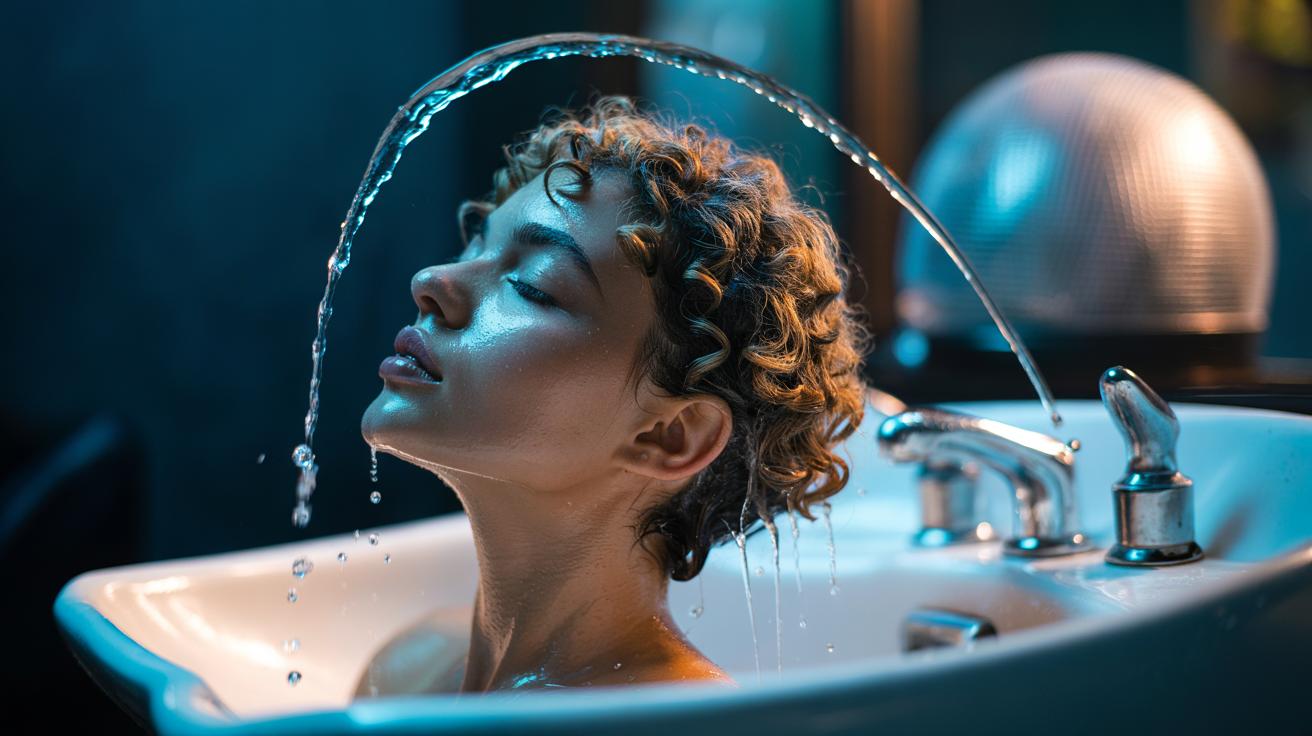
There’s a backstage trick that British stylists swear by when coaxing curls to hold for days: finish with a brisk cold water blast. That quick chill at the basin or shower doesn’t just perk you up; it helps curls set into a tighter pattern, reduces surface fuzz, and extends shape through commutes, gyms, and damp evenings. The secret lies in cooling the hair while it’s shaped and product is in place. As strands contract, the curl pattern you’ve sculpted is encouraged to stay put. Done right, this frosty finale feels invigorating, saves styling time midweek, and adds glossy definition without extra heat or hairspray.
Why a Cold Rinse Makes Curls Last Longer
Hair shape is largely governed by temporary hydrogen bonds that form as strands dry and cool. Warm water and heat open the cuticle’s scale-like layers and make hair pliable for styling; cooling helps those bonds “lock” the new pattern. The cold blast doesn’t freeze hair solid, but it does nudge the cuticle to lie flatter and reduce swelling. That smoother surface reflects light, controls frizz, and keeps your gel or cream’s film evenly distributed. For high-porosity hair, a chill finish can limit water re-entry that causes halo frizz later. Low-porosity hair gains shine without heaviness. It isn’t magic: pH and product still matter more than temperature. Yet that final 20–40 seconds of cold water or a dryer’s cool shot reliably steadies shape, especially when you’ve diffused to 80–90% dry and formed a defined curl clump first.
Think of it as “set, then seal”. The set comes from technique and products; the seal is the cool-down. Cold water won’t cure damage, but it can minimise raised cuticles and make every styling step you’ve already done count for longer.
Step-by-Step: The 60-Second Cold Blast Routine
Start with a gentle cleanse and a light conditioner focused on lengths. Rinse with lukewarm water so products distribute easily. Apply a leave-in and curl cream or gel while hair is still wet, raking and then scrunching to form tidy clumps. For tighter patterns, try “praying hands” smoothing before scrunching. Diffuse on low heat, low airflow until about 85% dry, encouraging lift at the roots. Now, pause. Angle your head over the basin and switch the tap to cold. Give 10–20 seconds per section, roots to ends, without breaking up the clumps. Let water glance over the hair rather than soaking it.
Prefer no rinse? Use a fine mist bottle with chilled filtered water, then scrunch gently. Follow with a dryer’s cool shot to finish the set. Air-dry the remaining 10–15%. When a cast forms, scrunch out the crunch with a pea-sized drop of oil on palms to avoid static. Keep hands off for the next hour; movement while bonds are still settling invites frizz and drops definition. The result: springy, shiny curls with a cleaner silhouette that lasts up to three days.
Products and Tools That Enhance the Freeze
A cold finish works best with films that support shape. Choose gels featuring PVP or acrylates for durable hold, or lighter flaxseed gels if you prefer touchable softness. A slip-rich leave-in eases clump formation; a small dose of protein (hydrolysed wheat, rice) can fortify fine or limp curls. In humid weather, keep humectants like glycerin moderate or pair them with strong film formers to prevent haloing. For tools, a diffuser with a reliable cool shot button, a microfibre towel, and a mist bottle you can store in the fridge make the routine seamless. Remember: application order matters as much as temperature—layer liquid, then cream, then gel (the LOC or LCG approach) before the chill.
Use the quick guide below to tailor timings and expectations.
| Hair Type | Cold Blast Duration | Main Benefit | Note |
|---|---|---|---|
| Fine, low-porosity | 10–15 sec/section | Shine, light hold | Prefer lighter gels to avoid droop |
| Medium, normal porosity | 15–20 sec/section | Definition, frizz control | Diffuse to 85–90% before chilling |
| Coarse, high-porosity | 20–30 sec/section | Smoother cuticle, longer wear | Seal with a few drops of light oil |
| Wavy (2A–2C) | Short, even pass | Keeps wave pattern | Avoid heavy creams |
Three-Day Maintenance Without Losing Bounce
Night one, gather hair into a loose pineapple and sleep on silk or satin. Friction is the enemy of set curls; protect the cuticle and the pattern lasts. In the morning, revive only what needs help. Mist stubborn flats with chilled water or a water–leave-in mix, reshaping with fingers or a small brush. Pulse the diffuser’s cool shot for 20–30 seconds to reset bonds where you’ve reactivated product. Avoid heavy oils midweek; use a single drop just on ends if they look parched. If humidity surges, shield with a light anti-humidity spray containing copolymers to stop moisture creep.
Hands-off discipline is vital: touching introduces oils and loosens the set. Tie hair up for workouts, then let it cool fully before releasing. If your scalp runs dry, direct the cold blast mainly to lengths and keep the water off roots. Comfort is key—refresh with cool, not painfully icy, water and keep exposures brief.
The final cold water blast is less a gimmick than a finishing flourish that makes smart prep go the distance. By cooling curls in their best shape, flattening flyaways, and stabilising hydrogen bonds, you cut styling time and gain day-two and day-three polish. The method is quick, budget-friendly, and gentle on hair. Treat it as a reliable last step, not a cure-all: your cut, products, and technique still set the stage. With a minute of cold, you can turn routine curls into resilient, glossy coils. How will you tailor the timing, products, and cool-down to suit your texture and your week ahead?
Did you like it?4.4/5 (23)