In a nutshell
- 🔬 Science-backed gloss: Tea tannins/polyphenols loosely bind keratin, and a cool, slightly acidic rinse helps the cuticle lie flat; it’s a topcoat, not a dye, reducing wash-out and boosting shine.
- 🎨 Pick the right tea: Black tea deepens brunettes, rooibos warms reds, chamomile brightens blondes, hibiscus adds rosy tones; always strand test on light or porous hair.
- 🧪 Prep the concentrate: Brew strong, add optional apple cider vinegar for pH and a drop of glycerin for slip, cool to fridge-cold, use filtered water in hard‑water areas, and patch test first.
- 🚿 Application + aftercare: Cleanse with sulfate-free, colour-safe shampoo, saturate for 5–10 minutes, then maintain with weekly top-ups, UV protection, and minimal clarifying to keep colour fresh for up to eight weeks.
- ⚠️ Who it suits & pitfalls: Ideal for colour-treated, porous hair; watch for astringency/dryness from very strong black tea, choose caffeine-free if sensitive, and pause before major chemical services.
Across Britain’s bathrooms, a low-cost ritual is quietly challenging pricey salon glosses: the cold tea rinse. Devotees swear it helps dye last longer, tones brassy notes, and adds gleam without heat or harsh chemicals. The secret lies in tea’s tannins and a cool, slightly acidic profile that can encourage the hair’s cuticle to lie flatter, limiting wash-out. Stylists I’ve spoken to call it a “polish for colour”, while trichologists see plausible science in its astringent action. Used correctly, a cold tea finish can support vibrant colour for up to eight weeks, especially when paired with gentle washing and UV care. Here’s what the evidence, the experts, and diligent home testers say—and how to do it safely.
What Science Says About Tea Rinses
Tea is rich in polyphenols—notably tannins, catechins, and theaflavins—that bind loosely to keratin. This light binding, combined with tea’s typically slightly acidic nature, can help the outer layer of hair lie smoother. A flatter cuticle reflects light better, reducing the dulling that reads as “fade”. In dark teas, microscopic pigments add a whisper of tint that can mask warmth on brunettes. Green and herbal infusions provide less tint but still deliver the astringent, shine-boosting effect. This is not a permanent dye; think topcoat, not repaint. The benefit is most pronounced on colour-treated hair that’s porous, where small molecules can sit more readily on the surface.
Temperature matters. A cold rinse after cleansing contracts the cuticle and helps seal in both salon colour molecules and the tea’s own polyphenols. The upshot is reduced leaching during the next few washes. Lab tests on hair swatches show lower dye runoff with cool, acidic rinses compared with hot, alkaline ones, while users report less towel staining. Results vary by porosity and shampoo choice; colour-safe, sulfate-free cleansers extend the effect, while frequent clarifying shampoos strip it quickly.
Choosing the Right Tea for Your Shade
Different brews offer different benefits. Dark teas lend subtle tone, while lighter infusions prioritise shine and frizz control without deepening colour. The aim is not to repaint your hair, but to steer undertones and add gloss. For brunettes, black tea is the classic pick, disguising brass and boosting depth. Redheads often prefer rooibos for warmth without brown cast. Blondes reach for chamomile to brighten and calm straw-yellow notes. Those managing cool reds or pink tints sometimes use hibiscus for a rosier veil. Always perform a strand test if your hair is platinum, porous, or freshly bleached, as any tint reads more strongly on light bases.
| Tea | Best For Shades | Brew Strength (per 250 ml) | Steep Time | Notable Effect |
|---|---|---|---|---|
| Black tea (Assam/Ceylon) | Brown to dark brunette | 2–3 bags or 6 g loose | 10–15 min | Masks brass, adds depth and shine |
| Rooibos | Red, auburn, warm brunette | 2 bags or 5 g loose | 10–12 min | Enhances warm copper/red tones |
| Chamomile | Blonde to light brown | 2 bags or 4 g loose | 8–10 min | Brightens, calms yellowing |
| Hibiscus | Red, strawberry blonde | 1–2 bags or 3–5 g loose | 6–8 min | Subtle rosy tint, shine |
| Sage tea | Grey blending, dark brunettes | 2 bags or 5 g loose | 10–12 min | Mutes silver sparkle, softens edges |
How to Prepare the Cold Tea Rinse
Brew a concentrate: for shoulder‑length hair, combine 500 ml freshly boiled water with the tea of choice at the strength in the table. Cover while steeping to retain volatile compounds. Strain thoroughly to avoid debris. While still warm, stir in an optional 1 tsp apple cider vinegar per 250 ml to nudge acidity toward the hair’s natural range, and an optional 1–2 drops glycerin per 250 ml for slip. Always cool completely to fridge-cold before use; temperature is part of the effect.
Decant into a clean squeeze bottle for precise application. If UK tap water is hard in your area, consider brewing with filtered or distilled water to minimise mineral film that can dull shine. Store any leftover concentrate in the refrigerator for up to 48 hours; discard if cloudy or off‑smelling. As with any new product, carry out a patch test on skin and a strand test on hair, checking for staining on lighter shades and scalp comfort.
Application Steps and Aftercare for Up to Eight Weeks
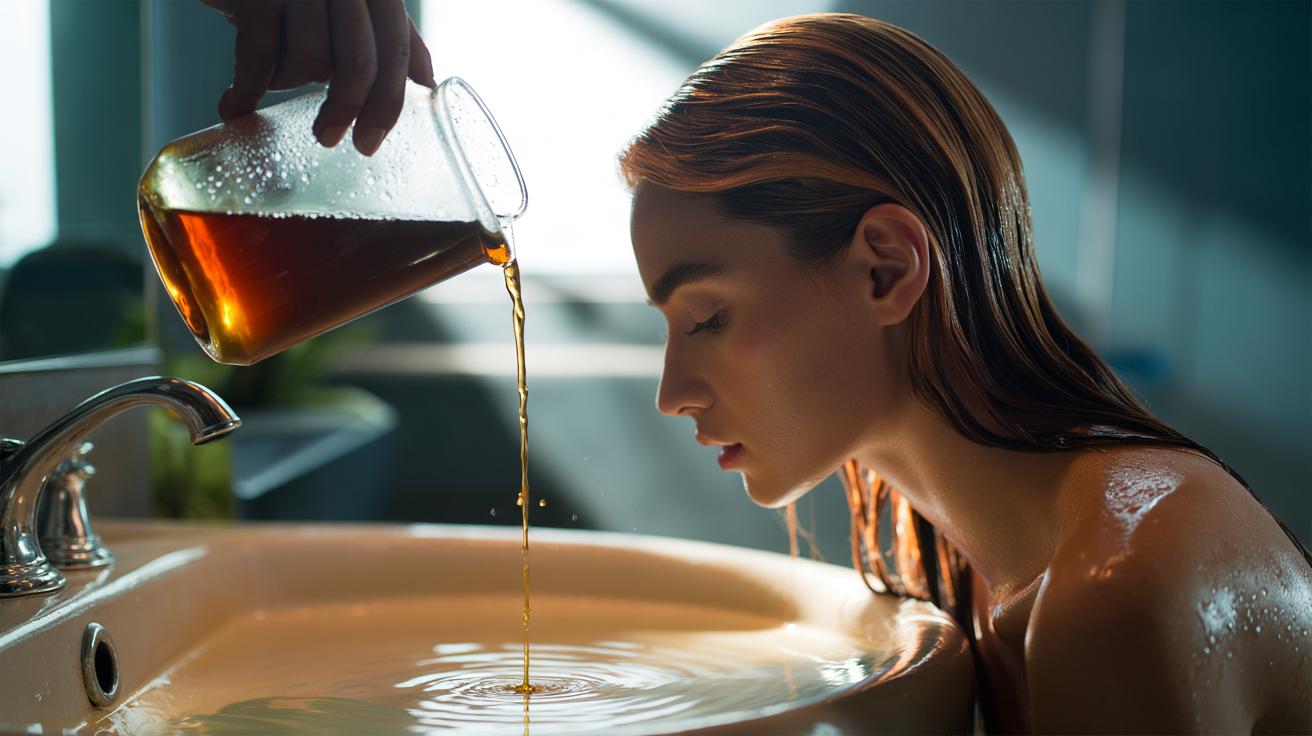
Shampoo with a sulfate-free cleanser, then gently blot; skip in‑shower conditioner before the rinse, as heavy silicones can block deposition. Section hair and saturate with the cold tea, squeezing from roots through lengths for even contact. Leave for 5–10 minutes. You can follow with a brief cool water splash or simply squeeze out and style. Finish with a light, silicone‑free leave‑in if needed. Avoid heat styling on high settings straight after the rinse to preserve the cuticle-laying effect.
Maintenance is the make‑or‑break. Wash two to three times weekly, shield from UV with hats or a UV-filter mist, and avoid frequent clarifying shampoos. Reapply the cold tea rinse once weekly as a top‑up; this is how many users keep salon colour noticeably fresher for as long as eight weeks. Swimmers should rinse hair with fresh water before entering pools and use a cap where possible; chlorine accelerates fade and will outpace any tea topcoat.
Who Should Try It and Possible Pitfalls
The ritual suits those with colour‑treated hair seeking extra gloss and gentler upkeep. Brunettes tackling brass often see the clearest cosmetic win, while natural redheads enjoy a richer halo from rooibos. If you use semi‑permanent shades or glosses, the rinse behaves like a friendly chaperone, slowing washout between salon visits. Give freshly bleached or highly porous platinum a cautious strand test, since even light teas can catch cool tones. Sensitive scalps should pick caffeine‑free options—rooibos and chamomile are easy choices.
There are caveats. Excessively strong black tea can feel astringent, leaving ends dry; balance with a lightweight conditioner after rinsing, or add a few drops of argan oil to mid‑lengths once dry. Tea residue may interact with heavy styling product build‑up; clarify gently every few weeks if hair feels coated. If you’re planning a chemical service—perms, relaxers, or a major colour shift—pause the tea routine a week prior and tell your stylist, so processing can be adjusted.
For a remedy that costs pennies and takes five minutes to brew, the cold tea rinse delivers impressive polish and pragmatic colour insurance. It won’t replace your colourist, yet it can stretch the life of a good dye job while keeping routine kinder to hair. Treat it like any finishing glaze: measured, consistent, and tailored to your shade. The promised “eight weeks without fading” rests on gentle washing, UV care, and weekly top‑ups—a realistic, repeatable habit rather than a miracle. Will you lay out a kettle tonight and test a strand, or design your own blend to match the shade you love?
Did you like it?4.5/5 (21)