In a nutshell
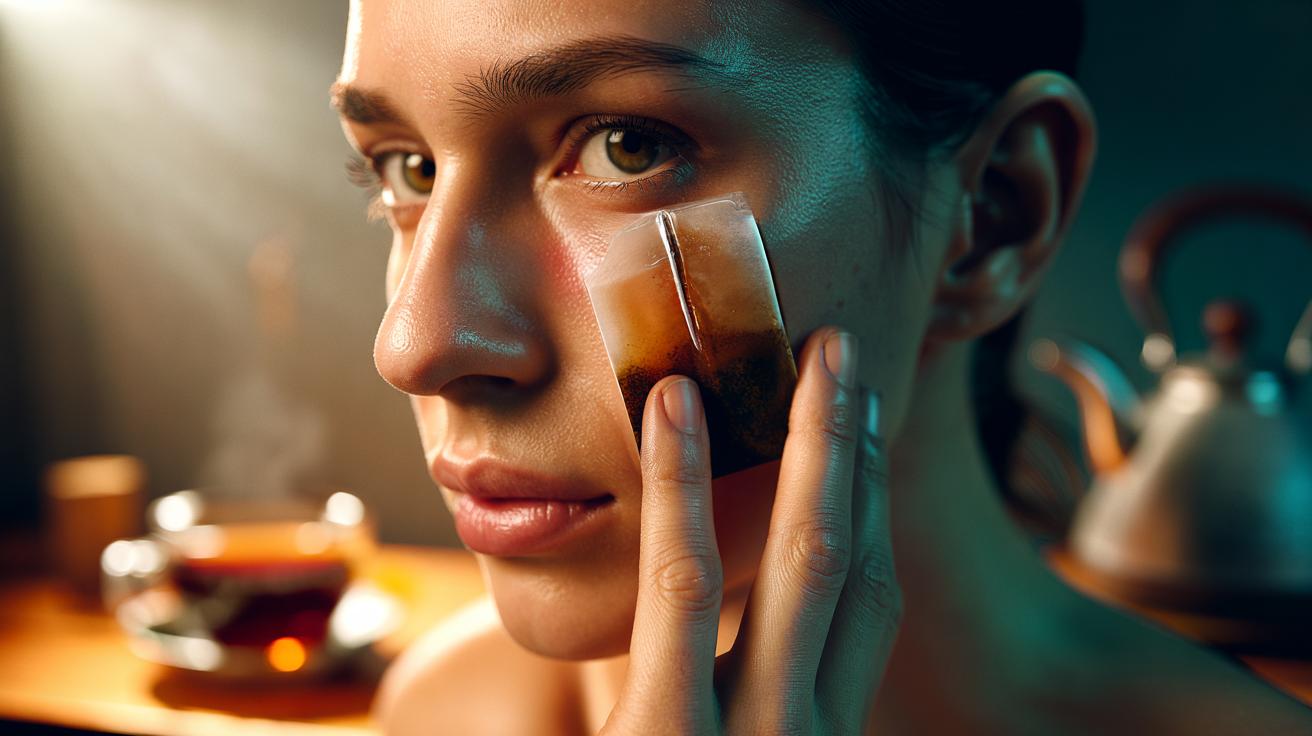
- 🫖 A cooled black tea bag press visibly reduces the look of large pores in about 5 minutes, delivering a quick, camera-ready refresh.
- ⚡ The effect comes from caffeine (vasoconstriction) and tannins (mild astringency), which tighten the surface and ease puffiness for smoother-looking skin.
- 🧭 Method: brew unflavoured black tea, cool to comfortable temperature, then press lightly on pore-prone zones—no rubbing—followed by a light moisturiser or niacinamide/mattifying primer.
- 🛡️ Safety first: patch test if sensitive, avoid broken or irritated skin, and skip fragranced blends; limit use to once daily to prevent irritation.
- 🎯 Results are temporary and optical—ideal before events—and work best alongside a consistent routine with sunscreen and gentle actives like BHA.
It’s the beauty tip hiding in plain sight: a cooled black tea bag press that makes enlarged pores look smaller in a matter of minutes. Far from a gimmick, the trick blends classic newsroom pragmatism with a dose of dermal science. Black tea is rich in caffeine and tannins, compounds that can tighten skin’s surface and reduce puffiness quickly. Apply the right pressure and timing and you can achieve a fresher, refined look before a meeting or night out. Think of it as a fast, cosmetic reset—no filters needed, just your kettle and a tea caddy.
Why Black Tea Bags Work in Minutes
The star of the show is caffeine, a well-known vasoconstrictor. By gently narrowing superficial blood vessels, it can diminish redness and swelling that exaggerate pore contours. At the same time, black tea’s tannins act as mild astringents, tightening the outermost layer of the skin to create a smoother appearance. Combine these effects with a cool compress and you get a trifecta: de-puffing, subtle tightening, and a clearer canvas for makeup. The improvement is rapid but temporary, focused on the look of pores rather than altering their actual size.
There’s also a neat optical angle. When surface swelling drops and oil disperses more evenly, light reflects more uniformly across the skin, softening the shadows that make pores stand out. Antioxidants in black tea contribute a supporting role by helping limit oxidative stress at the surface, though that’s a longer game. What you see within five minutes is mainly vascular and astringent action, amplified by temperature—cool, not icy, is the sweet spot for comfort and efficacy.
Step-by-Step: The 5-Minute Tea Bag Press
Start with two standard, unflavoured black tea bags. Steep them for 3–4 minutes in just-boiled water, then remove and let cool to room temperature before chilling briefly. You’re aiming for pleasantly cool, not freezing. Place a clean tissue between skin and tea bag if you’re wearing makeup or have sensitive skin. Press lightly on pore-prone zones—the nose, inner cheeks, and chin—in short intervals, lifting and reapplying to avoid friction. Work methodically for a total of five minutes, never rubbing, never dragging.
Finish by patting the skin dry and applying a light, non-comedogenic moisturiser. If you’re heading out, a dab of niacinamide serum or a mattifying primer can lock in the effect. Keep everything sterile: wash hands, use fresh tea bags, and clean any tools. Never apply a hot bag directly to skin, and retire stained or perfumed teas that may irritate.
| Step | Time | Key Detail |
|---|---|---|
| Brew | 3–4 min | Use unflavoured black tea; squeeze excess water. |
| Cool | 10–15 min | Room temp, then briefly chilled; avoid icy cold. |
| Press | 5 min | Light pressure, short holds, no rubbing. |
| Finish | 1–2 min | Pat dry; apply light moisturiser or primer. |
Safety, Skin Types, and When to Skip It
Most skin types tolerate a tea bag press when it’s done cool and clean, yet specific conditions call for caution. If you have very sensitive skin, active eczema, or rosacea flare-ups, patch test on the jawline for 60 minutes before trying a full application. The astringency that helps many can sting for some. Skip the hack on broken skin, after chemical peels, or if you’ve reacted to tea-based products before.
Watch for fragrance and oils in novelty blends; plain black tea is best. The under-eye area is delicate—short, featherlight presses only, and avoid direct contact if you’re prone to milia. People managing chronic redness might prefer cool water compresses followed by niacinamide rather than caffeine. If irritation, warmth, or itching develops, rinse with cool water and discontinue immediately. As with all quick fixes, moderation matters: limit to once daily, and prioritise consistent skincare over constant compresses.
The Science: Caffeine, Tannins, and Pore Optics
At a microscopic level, caffeine signals blood vessels to constrict, reducing superficial flow and the accompanying puffiness that can widen and highlight pores. Tannins bind lightly to proteins in the outer skin layer, increasing cohesion and producing a fleeting tightening effect. This two-pronged action flattens the microrelief around follicular openings. You aren’t shrinking the anatomical pore; you’re smoothing the terrain that makes it look larger.
Optically, fewer shadows form when swelling eases and surface oils are momentarily blotted. The skin scatters light more evenly, and pores appear shallower. Temperature enhances the effect: cool constricts vessels further and reduces enzymatic activity that drives redness. Caffeine’s penetration through intact skin is modest but sufficient for short-term visible change, especially when applied in a moist compress that boosts contact. Think of black tea as a fast-acting, surface-level refiner—ideal before photos, not a substitute for long-term care.
Used wisely, the humble black tea bag press is a clever, rapid way to make pores look smaller and skin look fresher, harnessing caffeine and tannins for a five-minute tune-up. It slides neatly into a routine built on cleansing, sunscreen, and targeted actives like niacinamide or gentle BHA. Remember: it’s a cosmetic boost, not a permanent fix. On deadline days or pre-event scrambles, it’s the kitchen-cupboard hack that earns its keep. Will you try it straight from the kettle cupboard tonight, or would you tweak the method to suit your skin’s quirks?
Did you like it?4.6/5 (28)