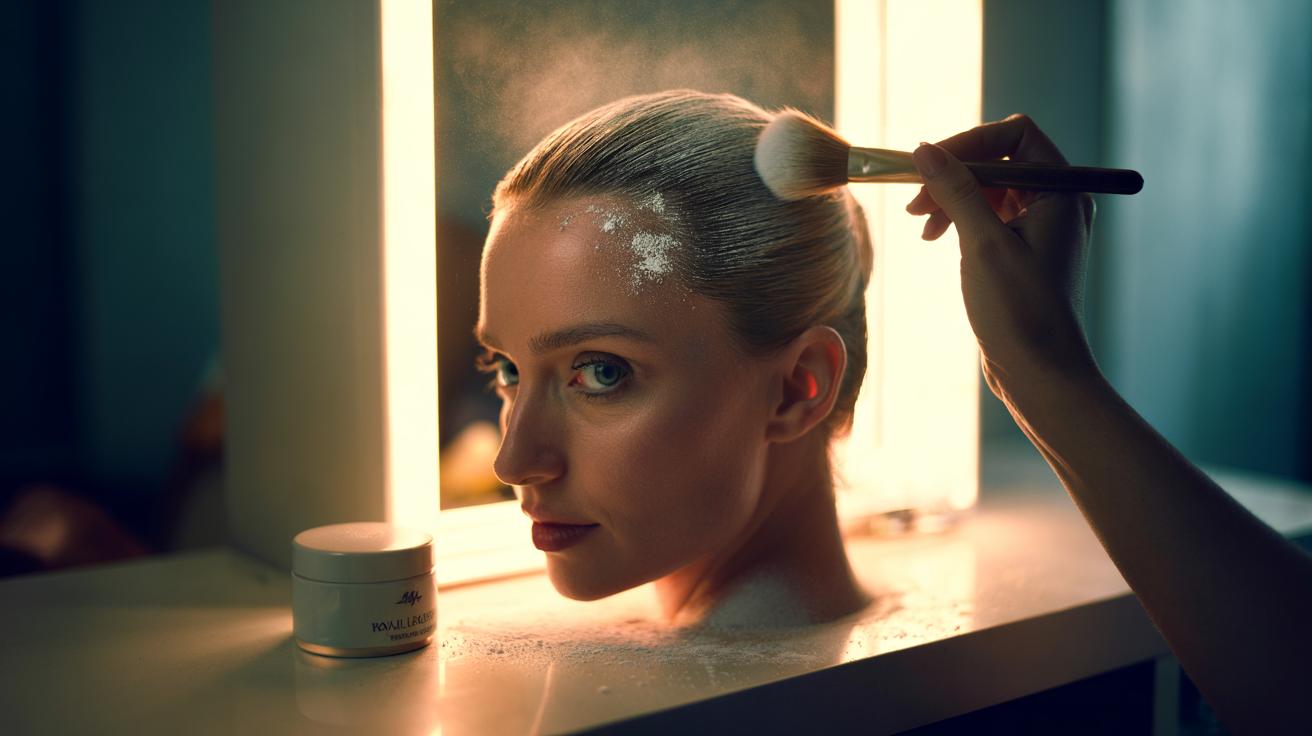
In a nutshell
- 🎯 The baby powder root trick delivers three-day volume by using starch to absorb oil at the scalp, avoiding the dry shampoo buildup that flattens styles.
- 🧭 Step-by-step: apply micro-amounts via a brush to key sections, wait 60 seconds, massage, then thoroughly brush and add a cool dryer shot; day 2 just restyle, day 3 spot-treat.
- 🧪 Safety and ingredients: opt for cornstarch-based powders; if using talc, avoid inhalation; go fragrance-free for sensitive scalps and clarify every 2–3 weeks to keep follicles clear.
- 🧠 Pro tips by hair type: fine hair targets crown; oily scalps focus on first 2 cm; curls dust only at the scalp; fringes from underneath; never apply to damp hair to prevent clumping.
- 📊 Results and extras: clean-feeling roots, soft matte texture, longer-lasting blow-dries, and a discreet, travel-friendly alternative to aerosols for office or gym use.
The beauty world loves a quick fix, but few hacks punch above their weight like the baby powder root trick. By targeting oil right at the scalp, it delivers three-day volume without the gummy residue associated with dry shampoo buildup. The method is straightforward, low-cost, and surprisingly editorial: a whisper of powder, smart sectioning, and a thorough brush-out. The results look lifted yet natural, with that modern, matte texture. Use less than you think, and always brush through—this is the difference between plush roots and powdery roots. Whether your hair is fine and falls flat by lunchtime or thick and easily weighed down, this trick adjusts to your routine and your hair’s mood.
Why Baby Powder Beats Dry Shampoo for Lasting Lift
Dry shampoo’s secret sauce often includes alcohols, propellants, and silicones, which can stack up on the scalp over time. Baby powder, by contrast, is largely starch-based (especially cornstarch formulas), so it absorbs oil without creating a film. The texture it leaves is soft and workable, making teasing, tonging, or a round-brush blowout hold longer. Because there’s no heavy resin, styles stay airy rather than stiff. Another perk: the finish is quieter—no aerosol cloud, no tell-tale fragrance trail—which makes it ideal for office bathrooms or early-morning gym sessions.
In practice, the difference is longevity. Starch lifts oil before it travels down the shaft, slowing the slick cycle that flattens hair. You get clean-feeling roots and a controlled matte grip that supports volume for days. On day two, a quick brush or a cool blast from the dryer revives lift; by day three, only the fringe or crown may need the lightest refresh. The scalp feels fresher because you’re not compounding yesterday’s fix with today’s.
Step-by-Step: The Root Trick for Three-Day Volume
Start with fully dry hair. Part ear-to-ear and clip the top. Tap a tiny amount of baby powder into the lid—think a pea-sized total for the whole scalp. Use a clean, fluffy makeup brush or a soft puff to dust powder onto the first horizontal section, 1–2 cm from the scalp. Repeat in two to three sections around the crown and temples, where oil concentrates. The golden rule: apply so little you can barely see it. Wait 60 seconds to let the starch bind to oil, then massage with fingertips like you would shampoo.
Now brush thoroughly from roots to ends with a boar-mix brush to distribute and remove excess. Flip your head and give a cool shot from the hairdryer for lift and polish. Style as usual. For day two, skip reapplying: just brush and restyle. Day three, spot-treat the fringe or crown with a dusting no bigger than a pinch. Work in micro-amounts; it’s easier to add than to take away.
Safety, Ingredients, and Choosing the Right Powder
Choose cornstarch-based baby powder if you’re concerned about talc; it’s widely available and excellent at oil absorption. If using talc-based options, avoid inhalation and apply sparingly, away from children and pets. Fragrance-free is best for sensitive scalps. Dark hair? To reduce any cast, brush thoroughly or mix a touch of cocoa powder with cornstarch (patch test first). Always apply on dry hair, and never directly squeeze the bottle onto the head—decant and dust. Those with scalp conditions should consult a professional before trying any oil-absorbing powders.
For colored or keratin-treated hair, the trick is gentler than many aerosols because there are no propellants. Still, balance with a proper wash schedule to keep follicles clear. Use clarifying shampoo once every 2–3 weeks if you powder frequently. Store the powder in a sealed container and clean your brush regularly to prevent bacteria transfer. Precision and hygiene keep the method effective and scalp-friendly.
| Powder Type | Best For | Amount per Section | Finish | Notes |
|---|---|---|---|---|
| Cornstarch-based | Most hair types, sensitive scalps | Light dusting (about a rice grain) | Soft matte | Low scent; excellent oil control |
| Talc-based | Very oily roots needing extra grip | Trace amount | Matte with more texture | Avoid inhalation; apply carefully |
Troubleshooting and Pro Tips for Different Hair Types
Fine or flat hair: pre-lift with a round brush and cool air, then powder only the crown and sides. Oily scalps: target the first two centimeters of growth—not the mid-lengths—to prevent dullness. Curly and coily textures: apply with a small brush strictly at the scalp, then shake out with fingers to protect pattern definition. Never apply to damp hair; clumping equals cast. If a white haze appears, you used too much: massage longer, brush more, or hit with a light mist of water and re-brush to melt residue.
Short styles benefit from micro-doses for grippy, editorial lift. For fringes, dust from underneath to avoid visible powder on the hairline. Extensions or weaves: keep powder on your natural root area, away from bonds or tapes. If fragrance lingers, switch to unscented formulas. And if static crops up in winter, finish with a light mist of leave-in on lengths only. Small, strategic applications are the difference between plush volume and powder overload.
This simple root trick turns a supermarket staple into a backstage-worthy styling secret, extending blow-dries and giving three-day lift without the tell-tale dry shampoo buildup. It’s affordable, travel-friendly, and adaptable to oily, fine, or curl-rich hair. Apply with restraint, brush like a pro, and keep it to the scalp: that’s the formula for believable volume that lasts. Ready to trade aerosol fog for a quiet, effective routine—what adjustments will you make to tailor the baby powder method to your hair type and weekly wash cycle?
Did you like it?4.4/5 (29)