In a nutshell
- 🧊 Instant itch relief from cold-induced vasoconstriction, while aloe vera polysaccharides hydrate and support the scalp barrier, loosening flakes linked to dandruff.
- 🧪 DIY recipe: 200–240 ml aloe gel + 5–10 ml water; optional 0.5–1% tea tree oil (dispersed) or alcohol-free witch hazel; freeze in silicone trays; patch-test and store cubes up to two months.
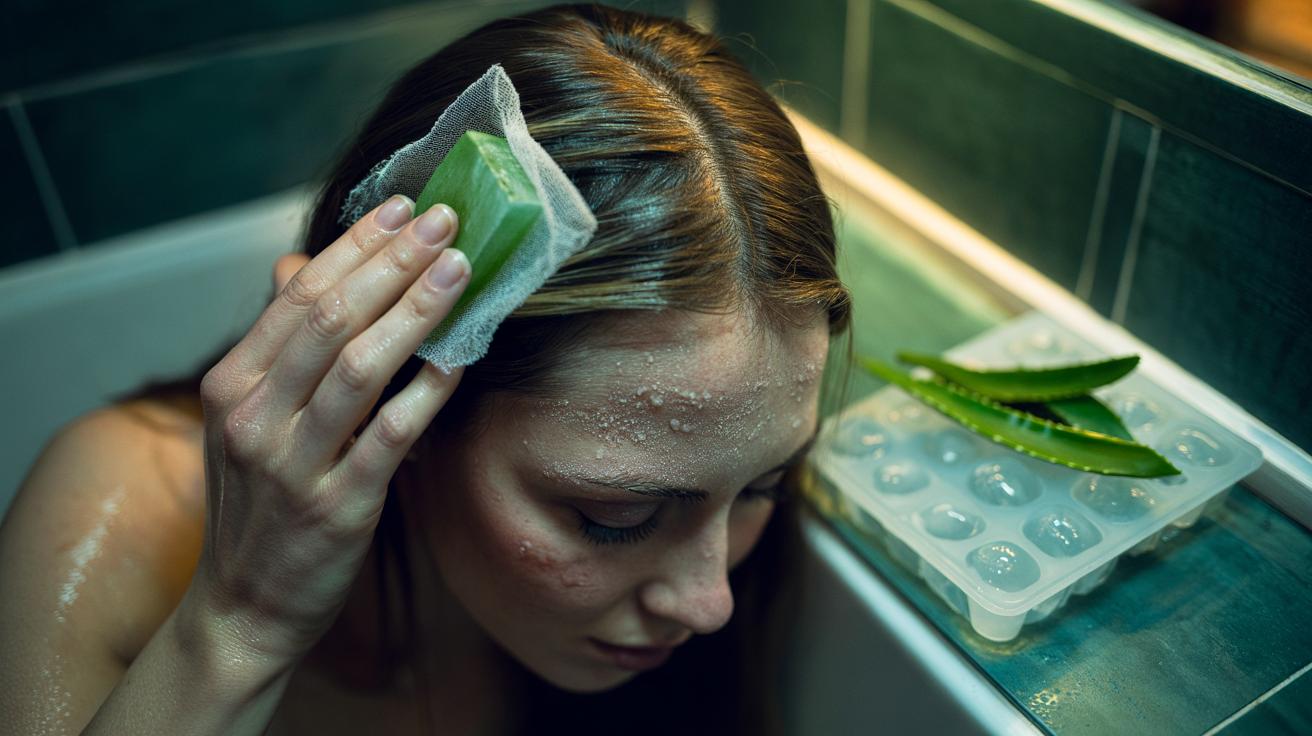
- ✋ Technique: Wrap the cube in muslin, glide along partings 2–3 seconds per section, spread melt with fingertips, leave 10–20 minutes; use as a pre-shampoo or 3 evenings weekly—consistency beats intensity.
- 🧴 Pair with shampoos: Keep a gentle daily cleanser and rotate anti-dandruff actives like ketoconazole, zinc pyrithione, or piroctone olamine; use cubes on off-days to reduce over-washing.
- ⚠️ Safety and escalation: Avoid broken skin or sensitivities; skip essential oils if tingling; seek a GP or trichologist if redness spreads, flakes persist >6 weeks, or you notice pain, crusting, or shedding.
When your scalp throws a tantrum, the remedy may already be in your freezer. The much-talked-about aloe vera freeze cube scalp rub is a crisp, kitchen-made fix that cools, calms, and hydrates in one motion. Glide a cube along the partings and the itch often eases before you’ve reached the crown. The science is sensible: cold reduces nerve signalling, while aloe vera delivers soothing polysaccharides and gentle exfoliating compounds that lift flakes. For UK readers battling dandruff or dry, tight scalps through changing seasons, this is a low-cost, low-effort ritual that earns its keep. Here’s how it works, why it helps, and the safest way to make it part of your routine.
Why Aloe Vera Ice Works on an Angry Scalp
The sensation of itching is driven by nerve endings and local inflammation. A chilled cube triggers instant vasoconstriction and dampens those signals, bringing rapid relief. Aloe vera itself is rich in acemannan and other polysaccharides that help the skin hold water, softening tight patches where flakes cling. Its mildly acidic pH supports the scalp barrier, which is often disrupted in seborrhoeic dermatitis and stress-related itch. Cold addresses the symptom; aloe addresses the environment that allows it to persist.
Some sufferers notice fewer visible flakes after a week because light mechanical glide plus hydration loosens compacted scale. Aloe also contains traces of salicylic-like compounds that aid gentle turnover. While not a cure for fungal overgrowth, the healthier barrier and balanced oil levels can make life harder for Malassezia, the yeast linked to dandruff. Think of it as a reset between washes: cooling, clarifying, and comforting without stripping the scalp. Paired with the right shampoo, it becomes a reliable maintenance move.
How to Make Aloe Freeze Cubes at Home
Use bottled, food-grade aloe vera gel (99% where possible), or scrape fresh gel from a leaf and sieve to remove fibres. For a 12-cube tray, whisk 200–240 ml aloe with 1–2 teaspoons filtered water to improve glide. Optional: add 1–2 ml tea tree oil (0.5–1%) dispersed in a teaspoon of glycerin, or 1 tablespoon witch hazel (alcohol-free) for oil control. Keep essential oils conservative—potent blends can irritate already inflamed skin. Pour into a silicone tray, freeze flat, then pop cubes into a labelled freezer bag for easy access.
| Ingredient | Amount (12 cubes) | Purpose |
|---|---|---|
| Aloe vera gel | 200–240 ml | Hydration, soothing, light exfoliation |
| Filtered water | 5–10 ml | Improves spread and melt |
| Tea tree oil (optional) | 1–2 ml (0.5–1%) | Scalp freshness; keep low to avoid irritation |
| Witch hazel (alcohol-free) | 1 tbsp | Oil-balancing, calming |
Patch test the liquid blend on the inner arm for 24 hours before freezing. Do not use on broken skin, severe eczema, or if you are sensitive to aloe or essential oils. Frozen cubes keep well for up to two months; discard if they smell off or change colour.
Technique: The Scalp Rub That Makes All the Difference
Start with dry or slightly damp hair. Part in clean sections from front to nape. Wrap a cube in thin muslin or a clean flannel to prevent sticking, then glide it along each parting, pausing for two to three seconds where itch peaks. Let the melt track down the scalp and use fingertips to spread evenly—no hard scrubbing. The goal is a cool, slippery film, not a freeze burn. One cube usually covers a short bob; longer or dense hair may need two.
Leave the residue in for 10–20 minutes, then air-dry or rinse lightly if the finish feels tacky. For urgent itch, use as a pre-shampoo step; for chronic dandruff, try three evenings a week between washes. Pair with a gentle, fragrance-free shampoo or a twice-weekly anti-dandruff formula containing ketoconazole, zinc pyrithione, or piroctone olamine. If using a medicated shampoo, the cubes make an excellent off-day soothe, avoiding over-washing. Consistency beats intensity—small, regular sessions calm the cycle.
Evidence, Variations, and When to Seek Help
Cold therapy is a well-established way to blunt itch perception, and small clinical studies support aloe vera for soothing irritated skin and aiding barrier repair. The cubes are a smart delivery system: hygienic, portioned, and instantly comforting. Those with very dry scalps can swap water for rosewater, or finish with a few drops of squalane massaged into partings. Oily scalps may prefer a splash of witch hazel in the mix. If essential oils tingle or redden the skin, omit them entirely—aloe alone is effective for many people.
See your GP or a trichologist if scalp redness spreads, flakes persist beyond six weeks despite care, or if you notice swelling, crusting, hair shedding, or pain. Children, pregnant people, and those with sensitive skin should avoid or limit essential oils. Remember that severe seborrhoeic dermatitis, psoriasis, or tinea capitis need targeted treatment. Use the cubes as adjunct care, not a replacement for medical advice. Keep tools clean, avoid sharing, and stop immediately if irritation occurs.
As a low-cost ritual with high sensory payoff, the aloe vera freeze cube scalp rub earns a permanent place in the bathroom freezer. It cools the itch, softens stubborn scale, and supports the skin’s natural balance, all in the time it takes to brew a cuppa. Used regularly, it can turn firefighting into maintenance, letting medicated shampoos work smarter, not harder. The method is flexible, the ingredients are accessible, and the results are often immediate. How will you tailor your cubes—pure aloe for simplicity, or a gentle twist to suit your scalp’s personality?
Did you like it?4.3/5 (27)