In a nutshell
- 🔬 Cold triggers vasoconstriction, reducing redness and tightening the look of pores; rice starch forms a thin film for a soft-focus finish.
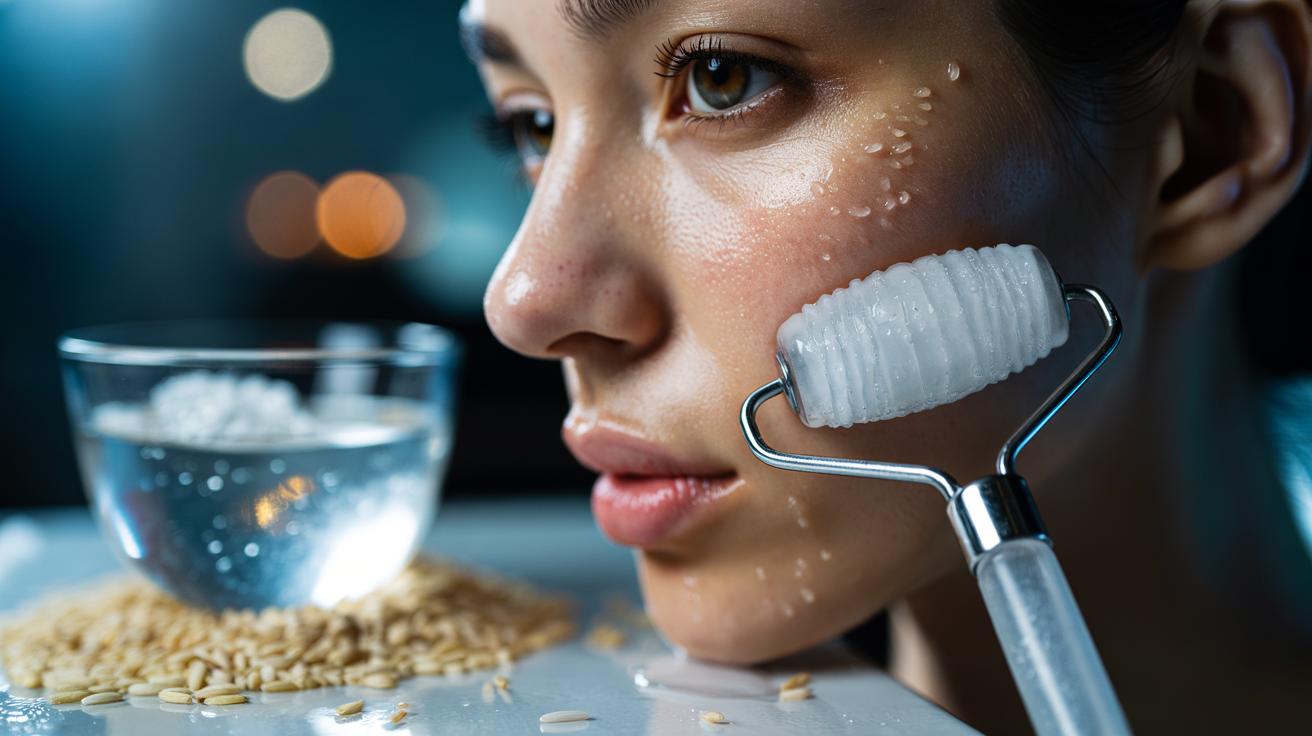
- 🧊 DIY: soak and strain rice to extract starch-rich water, freeze in an ice roller head or mould, and glide 30–60 seconds per area on clean skin.
- ⚠️ Safety: dilute for sensitive skin, avoid fragrances/acids, watch for cold burn signs, and keep sessions short; hygiene is essential.
- 🧴 Best for oily/combination types to reduce shine; dry or barrier-impaired skin should shorten contact and moisturise after to prevent over-drying.
- 🎯 Results are cosmetic and temporary; pair with sunscreen and targeted actives (e.g., niacinamide, retinoids) for longer-term texture refinement.
The beauty world is abuzz with the promise of a rice water ice roller that “closes pores” in an instant. In truth, pores do not have muscles to shut; what changes is their appearance. Cool temperatures trigger vasoconstriction while starch from rice creates a light film, giving a swift, refined look. Used correctly, this chilled, starchy rinse can make skin look tighter within minutes without harsh astringents. Below, we explore how cold and carbohydrate chemistry team up, how to make the tool at home, and what results you can reasonably expect. We also cover safety for sensitive complexions and when to skip the trend.
Why Cold Rice Water Makes Pores Look Smaller
When skin meets low temperatures, superficial blood vessels narrow—a process known as vasoconstriction. This reduces redness, calms puffiness, and briefly firms the skin’s surface, helping the margins of pores look neater. At the same time, chilled contact slightly thickens sebum, making shine less obvious. Cold does not remodel pores, but it can deliver a fast, camera-ready smoothing effect. That is the “instant” many users notice. The trick is controlled exposure: too long and you risk irritation; too short and the benefit fades before it begins.
Rice water contributes its own lift. Rich in amylose and amylopectin, it can form a micro-thin, occlusive film as it dries, lending slip and a soft-focus finish. Trace minerals and antioxidants add a mild conditioning effect, while a slightly acidic pH supports the skin barrier. Combined with cold, this gentle starch veil reinforces the tightened look. The synergy is simple: temperature constricts, starch smooths. Expect the effect to last a few hours, especially under sunscreen or light moisturiser.
How To Make A Rice Water Ice Roller At Home
Start with 2 tablespoons of rinsed white rice and 200 ml of filtered water. Swirl and soak for 20 minutes, then agitate to release the starch. Strain through a clean coffee filter or muslin until the liquid turns cloudy, like diluted milk. For sensitive skin, dilute 1:1 with cool water. Pour into a silicone mould or the detachable head of a metal ice roller. Freeze flat for 3–4 hours. Hygiene matters: use fresh rice water each batch and sterilise your mould between uses. Avoid adding fragrance, lemon, or potent acids that can sting when chilled.
To use, cleanse and pat dry. Glide the rice water ice roller across cheeks, T-zone, and jawline in upward strokes for 30–60 seconds per area. Pause if tingling becomes sharp. Pat in the remaining film with clean fingers; do not rinse. Seal with a light, non-comedogenic moisturiser or a serum such as niacinamide if your skin tolerates it. Limit to once daily or before an event to sidestep cold burn or over-drying. Store the roller head in a clean pouch within the freezer to prevent contamination.
Safety, Skin Types, and What Results To Expect
Most combination and oily skins enjoy the mattifying, refining effect. Dry or barrier-impaired skin should dilute more and reduce contact time to 20–30 seconds per zone. If you have rosacea, eczema, or cold urticaria, consult a clinician and test on the wrist first. Stop immediately if you see whitening of the skin, numbness, or persistent redness. Results are cosmetic: less shine, softer edges around pores, improved makeup grip. They are temporary, wearing off as skin warms and sebum flows. For longer-term refinement, pair the ritual with daily sunscreen and weekly gentle exfoliation.
| Skin Concern | Cold Effect | Starch Role | Caution |
|---|---|---|---|
| Visible pores | Vasoconstriction reduces swelling | Forms a smoothing film | Short, gliding passes |
| Shine | Thickens surface sebum | Slight mattifying veil | Moisturise after |
| Redness | Cools reactive skin | Barrier-supportive pH | Avoid in active flares |
| Sensitivity | Risk of cold burn | Can be drying | Dilute, patch test |
Evidence and Expert Context
Dermatologists agree on a core principle: pores do not open and close like doors. Their apparent size reflects genetics, oil production, and surrounding tissue tone. That said, both elements of this trend have scientific plausibility. Cold therapy has a documented anti-inflammatory effect and reduces vasodilation, which visually refines texture. In parallel, plant starches are known film formers; cosmetic chemists harness them for slip, mild oil absorption, and soft-focus diffusion. Limited studies on rice extracts suggest barrier comfort and reduced irritation, aligning with user reports of smoother feel.
What the rice water ice roller offers is a clever, low-cost moment of polish—ideal pre-makeup or before a long day under studio lights. Use it as a complement, not a cure. Sustainable improvements come from sunscreen, retinoids or azelaic acid (if tolerated), and consistent cleansing. Think of this as a quick-lift technique rather than a transformation. If breakouts persist or capillaries become prominent, seek personalised guidance from a skin professional.
Used thoughtfully, a rice water ice roller leverages a simple duo—cold and starch—to create a swift, photogenic tightness without stripping the skin. Expect a fresher tone, toned-down shine, and softer-looking pores that hold makeup better through the day. Balance is key: keep sessions short, keep tools clean, and listen to your skin’s signals. The most effective routine is the one you can maintain without irritation. Will you try this chilled ritual as a pre-event finisher, or adapt it into a weekly reset alongside your go-to skincare staples?
Did you like it?4.6/5 (24)