In a nutshell
- 🌾 Rice water soothes flaky scalps with inositol, amino acids, and antioxidants; helps rebalance pH and loosen scales. Use diluted 1:1 for 3–5 minutes, 2–3 times weekly for steady results.
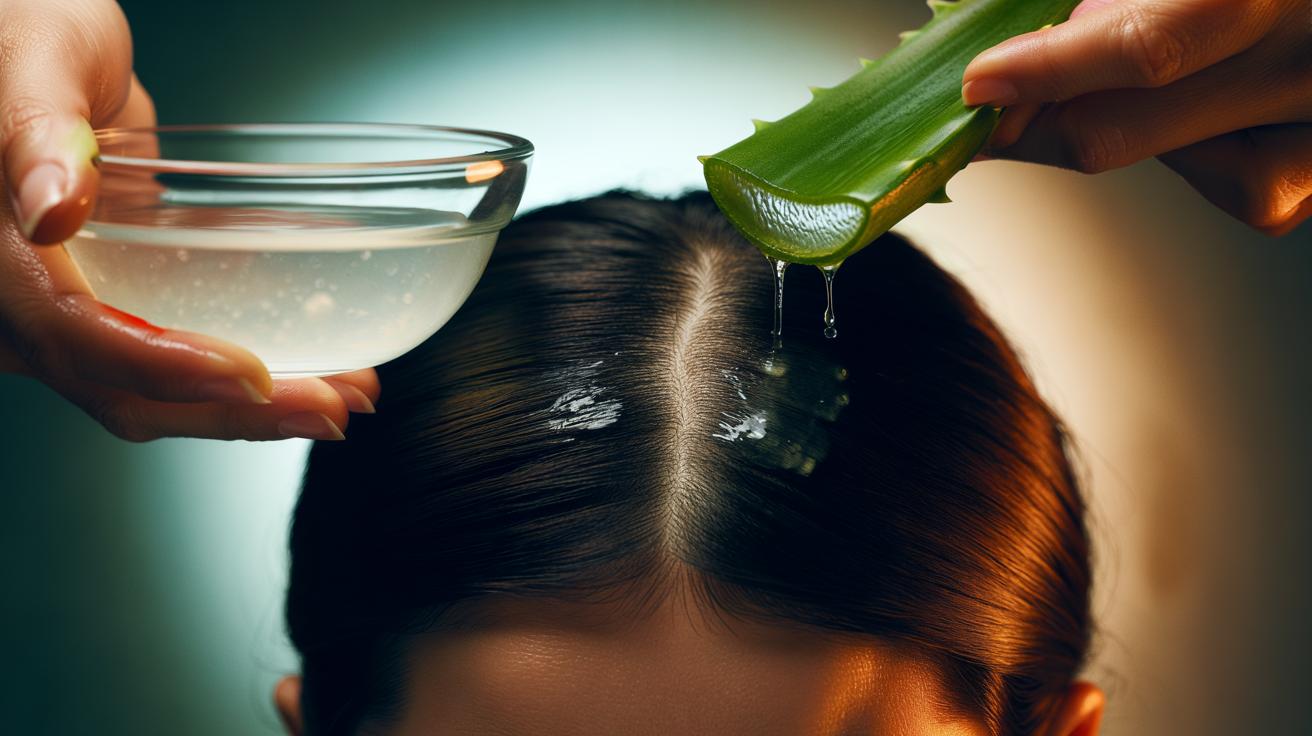
- 🌿 Aloe vera delivers hydrating polysaccharides and gentle enzymatic exfoliation, easing itch and tightness. Apply a thin layer for 20–30 minutes (or as a light leave-in), choose low-fragrance gels, and patch test if sensitive.
- 🧴 Routine: gentle shampoo → rice water rinse with light fingertip massage → rinse → thin layer of aloe. Keep pressure soft, avoid over-fermentation, and tailor amounts to hair type to prevent weigh-down.
- 🧪 Expectations: dandruff stems from oil, sensitivity, and Malassezia; this duo supports barrier comfort rather than “curing.” If flakes persist after 4 weeks, rotate in anti-fungal shampoos (ketoconazole, selenium sulphide, zinc pyrithione) and seek medical advice for severe symptoms.
- 📝 Smart habits: use lukewarm water, keep nails short, minimise fragrance, and track wash days, weather, and itch to fine-tune frequency, dilution, and contact time for your scalp.
Week after week of flakes on dark jumpers can make even the most diligent haircare routine feel futile. Yet a simple pairing from kitchen and windowsill — rice water and aloe vera — is winning fans for restoring calm to cranky scalps. The duo combines soft exfoliation, hydration, and barrier support without harsh detergents. Used consistently, they can dramatically reduce itch, tightness, and visible flakes. Here’s how this accessible blend works, who it suits best, and the safest way to try it at home. Expect a careful, journalist’s look at claims, the science we do have, and a routine that respects both scalp microbiome and hair fibre.
Why Rice Water Calms a Flaky Scalp
Starchy, nutrient-rich rice water carries amino acids, inositol, and antioxidants that coat hair and comfort the skin beneath. Its naturally slightly acidic profile can help nudge scalp pH towards balance, discouraging irritation that makes dandruff look worse. Many users find it loosens compacted scales so they rinse away more easily, while the inositol may cling to hair fibres, reducing friction during washing. That gentle slip matters: less scrubbing means less micro-abrasion and less reactive flaking. Crucially, rice water is not a detergent; it supports a kinder cleanse when used after a mild shampoo or as a pre-rinse.
There’s also a behavioural benefit. A measured, massage-based application encourages the kind of careful, fingertip-only scalp contact that keeps the skin barrier intact. When diluted 1:1 with cool water, rice water feels soothing rather than sticky, and short contact times (three to five minutes) are often enough. For sensitive types, avoid long fermentation to limit acids that could sting. Consistency tends to deliver results: two or three uses weekly can stabilise oiliness and lessen the build-up that feeds flaking cycles.
How Aloe Vera Restores Balance and Resilience
Cut from a fresh leaf or scooped from a trustworthy gel, aloe vera brings polysaccharides such as acemannan that form a light, breathable film on the scalp. That veil slows transepidermal water loss, easing the tight, squeaky feeling that invites scratching. Natural salicylates and enzymes provide ultra-mild exfoliation, helping stubborn flakes detach without force. Hydration plus micro-exfoliation is a proven combination for calmer skin. Aloe’s phytochemicals are also renowned for their soothing properties, which many people experience as a cooling, itch-diffusing effect within minutes of application.
Used after a rice-water rinse, aloe acts like a finishing serum for skin: it seals in comfort while keeping follicles clear. Choose unscented gels with short ingredient lists to minimise potential irritants, and patch test if you have a history of sensitivities. On textured or colour-treated hair, aloe’s slip can aid detangling and reduce breakage at the root line. For fine hair, apply mostly to scalp and taper along the parting to avoid weigh-down. When the scalp feels comfortable, flake production typically slows.
| Ingredient | Key Actives | Scalp Actions | How to Use | Cautions |
|---|---|---|---|---|
| Rice water | Inositol, amino acids, antioxidants | Soothes, loosens flakes, supports pH | Rinse for 3–5 minutes after shampoo | Dilute 1:1; avoid over-fermentation |
| Aloe vera | Polysaccharides, enzymes, salicylates | Hydrates, mild exfoliation, cools itch | Light layer on scalp; leave 20–30 minutes | Patch test; choose low-fragrance gels |
A Step-by-Step Routine: From Rinse to Leave-In
Start by preparing rice water: rinse 1/2 cup of rice, then soak it in 2 cups of cool water for 30 minutes, agitating occasionally. Strain, then dilute 1:1 with fresh water for scalp comfort. Shampoo with a gentle, sulphate-free formula, rinse well, and apply rice water along your partings, massaging with pads of fingers. Wait three to five minutes and rinse. Keep pressure light — the goal is to lift flakes, not scrub them in. Blot excess water with a towel.
Next, smooth a thin layer of aloe vera gel onto the scalp. For oily roots, use a pea-sized amount per quadrant; for dry or tight scalps, a touch more. Leave on for 20–30 minutes, then rinse or, if well tolerated, leave a whisper-thin film as a scalp serum. Repeat two to three times a week. If you heat-style, ensure the scalp is product-light. After two to four weeks, assess: reduce frequency if flaking is minimal, or maintain the cadence through seasonal shifts that trigger dryness. Small, steady habits outpace harsh quick fixes.
Evidence, Expectations, and When to Seek Help
Dermatology agrees that dandruff arises from an interplay of oil, skin sensitivity, and the yeast Malassezia. Home remedies like rice water and aloe vera target comfort and barrier function, which can interrupt the itch–scratch–flake loop. While lab-grade trials are limited, the mechanisms — hydration, mild exfoliation, pH support, and reduced friction — are consistent with healthier scalp outcomes. Think of this duo as care, not cure. For many, that’s enough to keep visible flakes at bay between regular washes without resorting to aggressive peels or daily medicated shampoos.
Set realistic expectations. If flakes persist despite four weeks of careful use, rotate in an evidence-backed anti-fungal shampoo once or twice weekly (ketoconazole, selenium sulphide, or zinc pyrithione), using the rice-water and aloe routine on alternate days to preserve comfort. Seek professional advice if you notice bleeding, thick plaques, sudden hair shedding, or widespread redness, which may indicate psoriasis, seborrhoeic dermatitis, or eczema. Keep fragrance low, nails short, and water lukewarm. Healthy scalps are protected, hydrated, and handled gently.
Blending the humbly effective rice water rinse with a soothing veil of aloe vera offers a budget-friendly path to calmer, clearer roots. It’s a routine built on respect for the skin barrier and the hair fibre, asking for minutes rather than miracles and rewarding consistency over intensity. If you try it, document your wash days, weather, and itch levels to fine-tune frequency. Should the seasons change or stress spike, return to the basics laid out here. What tweaks — dilution, contact time, or product choice — do you think would make this duo work best for your scalp?
Did you like it?4.6/5 (22)