In a nutshell
- 🔬 Crushing garlic generates allicin, a compound with antimicrobial, antioxidant, and anti-inflammatory activity that may support the scalp environment of a thinning crown, but it is not clinically proven to regrow androgenetic hair.
- 🧪 Plausible actions include antimicrobial reduction of dandruff microbes, dampening perifollicular inflammation, and modestly boosting microcirculation, potentially “waking” marginal follicles by improving scalp conditions rather than reversing miniaturisation.
- 🛡️ Safe use: crush and wait 10 minutes, then apply a dilution of 1 tsp garlic in 2 tbsp aloe/oil; perform a 24-hour patch-test; keep contact time to 5–10 minutes before rinsing; limit to 1–2 times weekly and stop if irritation occurs.
- ⛔ Cautions: avoid broken skin/allium allergy, do not occlude under caps, keep away from eyes, and separate applications from minoxidil by 8–12 hours to reduce irritation risk.
- 🗺️ Strategy: prioritise evidence-based therapies like minoxidil (all genders) and finasteride (most men), consider LLLT or microneedling with guidance, check iron and thyroid status, and use garlic only as an adjunct while tracking progress with photos.
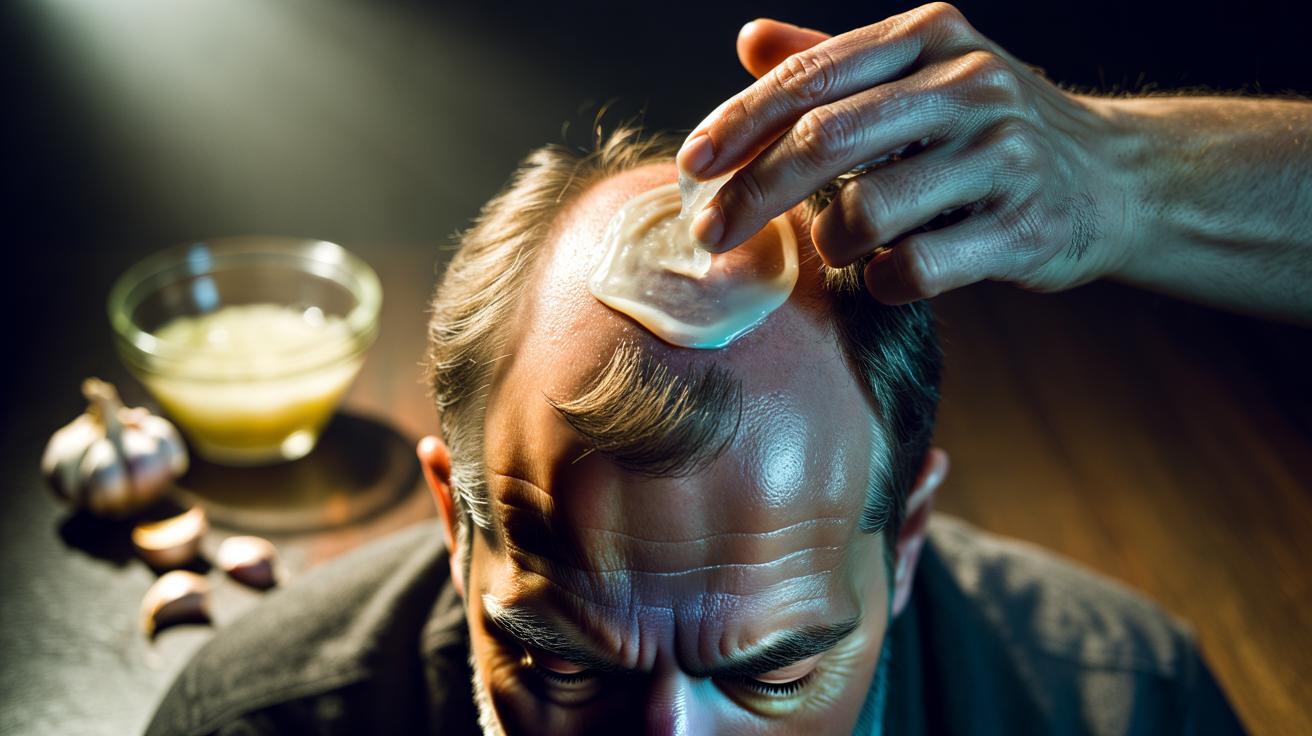
Across TikTok and kitchen counters alike, the raw garlic rub has become the latest DIY hope for a thinning crown. Advocates insist the plant’s signature compound, allicin, can “wake” hair follicles back into action. The idea isn’t entirely fanciful: garlic’s sulfur chemistry, antimicrobial punch, and circulation effects intersect neatly with scalp biology. Yet folklore and laboratory promise are not the same as proof on a balding head. This feature examines how allicin forms, what it might do on the scalp, and how to approach it without courting a chemical burn or unrealistic expectations. There is no clinical proof that raw garlic regrows a genetic thinning crown. Still, used carefully, it may calm inflammation and tidy the scalp environment that healthy hair requires.
What the Science Says About Allicin and Hair Follicles
Allicin emerges when garlic is crushed, converting alliin via the enzyme alliinase. In lab studies, allicin displays antimicrobial, antioxidant, and anti-inflammatory activity that could, in theory, help follicles stressed by microbe overgrowth or oxidative stress. Small trials of garlic gel combined with corticosteroids have shown benefit in patchy autoimmune loss (alopecia areata), but those data do not translate cleanly to androgenetic thinning. Evidence for direct 5‑alpha‑reductase inhibition is limited and inconsistent, and human trials in pattern hair loss are lacking. Think of garlic as a scalp-conditioning agent rather than a stand‑alone regrowth therapy.
Where allicin may shine is the margin: reducing Malassezia-associated flaking, calming perifollicular inflammation, and supporting microcirculation. These factors can make hair appear fuller by optimising the environment, even if they don’t create new follicles. Any “wake up” effect likely reflects improved scalp health and extended anagen in marginal follicles, not reversal of genetic miniaturisation. Expect subtle gains in comfort and coverage, not a hairline reset.
How a Raw Garlic Rub Might Work on the Scalp
Three mechanisms are most plausible. First, antimicrobial action: allicin disrupts microbial membranes, potentially reducing dandruff bio-burden that irritates the scalp and congests follicles. Second, anti-inflammatory effects: sulfur compounds can modulate cytokines, easing the perifollicular irritation often seen in a thinning crown. Third, circulation: garlic may influence nitric‑oxide signalling, modestly improving blood flow that nourishes hair follicles. None of these replace medical treatments, yet together they can create conditions friendlier to growth. If follicles are dormant from inflammation, improving the terrain may nudge them to perform.
Texture matters. Raw cloves deliver the highest allicin, but also the greatest risk of irritation. Many users report a transient tingle that tips into a burn if exposure is prolonged. A safer route is dilution in a soothing base (aloe or a light carrier oil) to distribute the actives evenly. Never occlude raw garlic under caps or wraps; heat and confinement intensify irritation.
Safe Preparation and Application: A Sensible Approach
Preparation: crush one fresh clove and wait 10 minutes for allicin to form. Blend one teaspoon of the mash into two tablespoons of aloe gel or a non-fragrant carrier oil (jojoba or squalane). Optional: add a drop of rosemary or tea tree oil only if you’ve tolerated them before. Always patch-test diluted garlic behind the ear or inner forearm for 24 hours before scalp use. Application: dab sparingly on the thinning crown, leave for 5–10 minutes, then rinse with a gentle shampoo. Start once weekly; increase to twice weekly if well tolerated.
| Aspect | Guidance | Why It Matters |
|---|---|---|
| Dilution | 1 tsp crushed garlic in 2 tbsp base | Reduces chemical burn risk |
| Contact time | 5–10 minutes, then rinse | Avoids prolonged irritation |
| Frequency | 1–2 times per week | Limits cumulative irritation |
| Do not use if | Broken skin, eczema flare, known allium allergy | Higher risk of dermatitis |
| Stop if | Burning, swelling, blistering | Signals contact injury |
Do not layer diluted garlic with minoxidil in the same session; separate by at least 8–12 hours. Avoid eyes and sensitive areas, and rinse immediately if stinging escalates. Stop and seek advice if redness persists beyond 24 hours.
Evidence, Expectations, and Smarter Alternatives
Set expectations conservatively. If your crown thins from androgenetic alopecia, the gold standards remain MHRA‑approved minoxidil (topical, all genders) and prescription finasteride (oral, for most men). Adjuncts with supportive evidence include low‑level laser therapy and microneedling under specialist guidance. Nutritional checks matter: ferritin, vitamin D, B12, thyroid function, and overall protein intake. Lifestyle factors—sleep, stress, and gentle scalp care—can shift the baseline. In this ecosystem, a cautious garlic routine may help reduce flake and itch, lending hair a touch more lift and sheen.
Budget your efforts: prioritise proven therapies daily, use garlic sparingly as a scalp hygiene experiment, and track for 12 weeks with standardised photos. If irritation strikes, stop. For women, consult about topical minoxidil strength or off‑label low‑dose oral minoxidil; for men, discuss finasteride risks and alternatives with a GP. Home remedies should complement, not replace, evidence‑based care. A specialist trichologist can tailor a plan that respects your goals, time, and skin sensitivity.
Raw garlic’s allicin offers a compelling mix of antimicrobial bite and inflammation control, which may polish the scalp microenvironment behind a thinning crown. Still, abundant bioactivity does not equal guaranteed regrowth, and the risk of irritation is real. If you test it, dilute, patch-test, and keep sessions short while you prioritise therapies with robust evidence. Photograph progress, mind your nutrition, and seek professional input if shedding accelerates. With that balanced approach, are you ready to audit your current routine and decide where a cautious garlic experiment might fit alongside more proven treatments?
Did you like it?4.7/5 (27)