In a nutshell
- 🫒🍯 Olive oil (emollient/occlusive) plus honey (humectant) create a softening seal that cuts transepidermal water loss (TEWL), easing sting and tightness in cracked knuckles overnight.
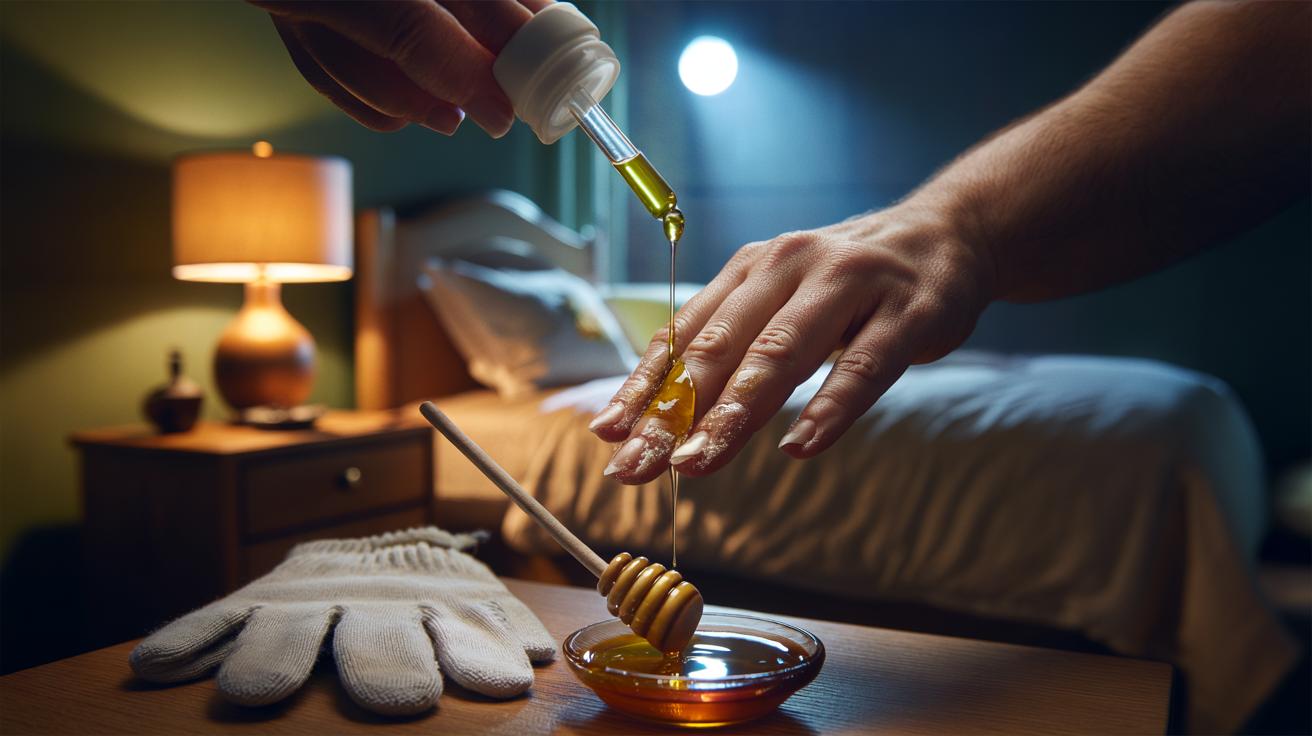
- 🛌🧤 Night routine: apply 1 tsp olive oil to damp hands, then ½ tsp honey; cover with cotton gloves for mess-free sleep—2–3 nights usually show noticeable softening.
- 🔬🧱 Skin science: the “brick-and-mortar” barrier needs water plus lipids; humectants draw moisture while occlusion seals it in—an evidence-backed pairing for rapid repair.
- ⚠️🩹 Safety first: patch test, avoid open bleeding splits, and seek a GP if redness, pus, or throbbing occurs; those with eczema may require prescription support.
- 🌻🧴 Smart swaps and add-ons: switch to sunflower oil if olive irritates, add shea butter or petroleum jelly for extra occlusion, and use fragrance-free handwash with moisturising after every rinse.
Cold snaps, central heating and endless handwashing in the UK can leave skin raw, sore and visibly split. A kitchen remedy pairs two cupboard staples: olive oil and honey. Together they build a softening cocoon that helps cracked knuckles feel comfortable by morning. The secret is simple physiology. Oils supply flexible lipids that seal gaps; honey draws and holds moisture. Used overnight, this duo reduces tightness and stinging while encouraging the skin’s own repair. It’s inexpensive, easy to mix, and kinder than many perfumed creams. Here’s how this fatty, sticky partnership works—and how to harness it safely for chapped, winter-beaten hands.
Why Olive Oil and Honey Work on Cracked Knuckles
Skin on the fingers is thin, mobile and constantly exposed. When it dries, microscopic gaps open in the barrier, making every flex painful. Olive oil acts as an emollient, filling those gaps with pliable fatty acids that smooth rough edges. It also creates light occlusion, slowing evaporation so water stays where healing happens. Honey is a natural humectant, pulling moisture into the outer layer. It carries enzymes and a low pH that help keep the skin’s surface in balance. Put together, oil and honey cushion movement, reduce sting, and soften scaly patches fast.
Think of the mix as scaffolding plus mortar. The oil provides flexible structure; the honey binds water like a sponge. That synergy curbs transepidermal water loss (TEWL), the culprit behind tight, splitting knuckles. Extra-virgin oil brings antioxidants; raw honey adds gentle antimicrobial action, especially if you use manuka. The result is a hydrated, protected microclimate so the skin can knit itself without constant disruption from cold air, soap, or friction.
Mixing, Timing, and Application for Overnight Repair
After the last wash of the evening, pat hands dry while they’re still slightly damp. Warm 1 teaspoon of olive oil between your palms and massage it into every crease. Follow with ½ teaspoon of honey, pressing it into cracked lines. For mess-free sleep, slip on thin cotton gloves or clean socks over hands. Apply a thin, continuous film rather than a slippery slick—coverage beats thickness. In the morning, rinse with lukewarm water and blot dry before applying your usual daytime cream or balm.
If you prefer a tidier texture, blend 2 parts olive oil with 1 part honey and a pea of beeswax or petroleum jelly to stabilise the layer. Patch test first on the inner forearm, especially if you have eczema or pollen allergies. Consistency is the secret: two to three nights in a row typically delivers noticeable softening and less tenderness.
| Ingredient | Role | Best Type | Notes |
|---|---|---|---|
| Olive oil | Emollient, light occlusive | Extra-virgin, cold-pressed | Rich in squalene and polyphenols; some skins prefer high-linoleic oils |
| Honey | Humectant, surface balance | Raw or manuka | Manuka offers stronger antimicrobial activity; can feel tacky without gloves |
| Beeswax/petroleum jelly | Enhanced occlusion | Cosmetic-grade | Optional for severe dryness; improves staying power overnight |
What Science Says About Lipids, Humectants, and Skin Barriers
The outer skin layer is a brick-and-mortar model: cells are the bricks; lipids (ceramides, cholesterol, fatty acids) are the mortar. When winter air and detergents strip that mortar, water escapes and fissures form. Humectants like honey pull water back into the stratum corneum, keeping enzymes active so shedding and repair proceed smoothly. Occlusion from oils cuts TEWL, a key metric of barrier health. Hydration plus occlusion is the classic, evidence-backed route to calmer, softer skin overnight.
There is nuance. Olive oil is high in oleic acid, which some sensitive skins find disruptive; others benefit from its antioxidant profile. If you react, try high-linoleic oils such as sunflower or grapeseed. Honey’s low pH (around 3.5) can be helpful on rough, alkaline-leaning skin, and its natural peroxide activity offers light antimicrobial support. The take-home: pairing a water-attracting agent (honey) with a lipid seal (oil) nudges the barrier back toward its preferred, flexible state while you sleep.
Safety Notes, Variations, and When to Seek Help
Perform a patch test if you have known pollen, bee, or olive sensitivities. Avoid applying to open, bleeding cracks; instead, moisturise around them and use a bland ointment on the split itself until it closes. If fragrance in washing-up liquid or handwash flares your skin, switch to fragrance-free, dye-free options and lukewarm water. Persistent, deep cracks with redness, pus, or throbbing warrant a pharmacist’s advice or a GP appointment. People with hand eczema may need a tailored regimen and prescription-strength treatments alongside home care.
Prefer alternatives? Blend sunflower oil (linoleic-rich) with honey for a lighter feel. Add a fingertip of shea butter for extra cushion, or apply a thin layer of petroleum jelly over the mix for stormy nights. In the daytime, carry a pocket balm, wear gloves for the commute, and moisturise straight after washing when skin is still damp. Small, regular rituals beat heroic weekend fixes. With the right fats and timing, knuckles stay supple even when the radiators roar.
With Britain’s chill and constant handwashing, a humble mix of olive oil and honey is a practical, affordable way to restore comfort to cracked knuckles while you sleep. The duo hydrates, seals and soothes without heavy fragrance or a high price tag. Expect a softer bend to the fingers, less sting at the sink, and fewer snagged threads on your jumper. If olive oil doesn’t suit you, swap in sunflower or add a smear of shea. What adjustments—gloves, gentler soap, different oils—would make this overnight ritual fit your nightly routine?
Did you like it?4.4/5 (22)