In a nutshell
- 🧪 Science of repair: Over-processed hair loses keratin integrity and gains porosity; proteins and lipids create a temporary film that reduces friction and hygral fatigue—supportive, not permanent.
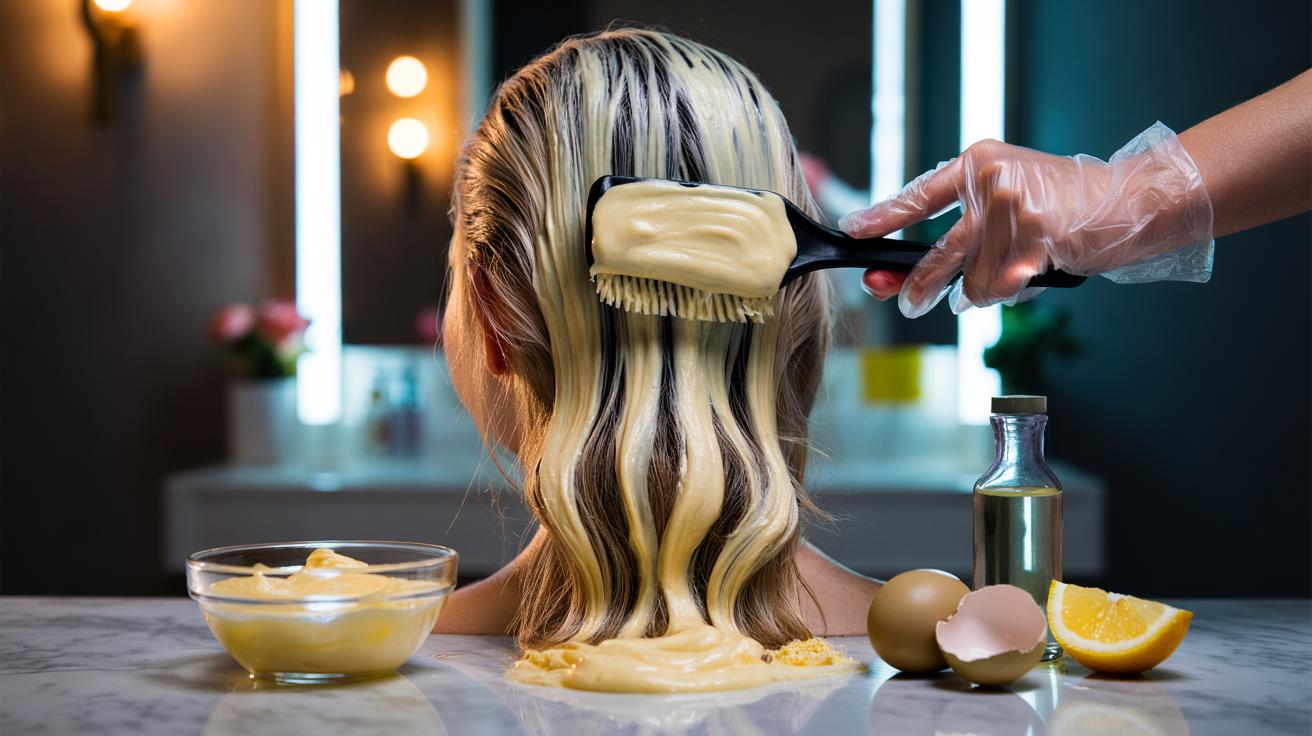
- 🥚 What the mayo + egg mask does: Oils seal the raised cuticle, egg proteins form a smoothing surface layer, and mild acidity flattens cuticle scales; rinse cool to avoid “cooking” the egg and keep expectations realistic.
- 🧭 Safe application & frequency: Apply to damp mid-lengths/ends for 15–20 minutes, no heat; use weekly for high-porosity hair, monthly for fine hair; pause if you feel protein overload (stiff, squeaky strands).
- 🧰 When to choose alternatives: Store formulas with hydrolysed proteins adhere more evenly; bond builders target chemical damage from bleach—ideal when hair feels mushy wet yet brittle dry.
- ⚖️ Balance is key: Alternate protein with moisture and lipids, minimise heat, and trim regularly; mix DIY masks sparingly with predictable salon or shop treatments for best long-term resilience.
Bleach, relentless heat styling, and tight ponytails can leave hair feeling like brittle straw. In response, social feeds champion a kitchen-cupboard hero: the mayonnaise + egg mask. It sounds outlandish, yet there is solid science behind why protein and lipids can help a frazzled mane feel stronger and look glossier. This piece unpacks how keratin fibres are damaged, how a DIY mask can temporarily shore up the cuticle, and when professional treatments beat pantry solutions. This is a supportive, not miraculous, fix, so expectations matter. You’ll also find guidance on safe application, realistic frequency, and tell-tale signs of protein overload. If your ends snap and your colour looks rough, read on.
Why Over-Processed Hair Craves Protein
Human hair is made largely of keratin, a tough protein arranged in coiled structures within the cortex and protected by a shingled cuticle. Chemical lighteners, high heat, and frequent colouring lift and erode that cuticle, increasing porosity and breaking some internal disulphide bonds. The result is frizz, dullness, and a “stretch-then-snap” feel when wet. Protein-rich treatments help because their charged fragments can bind to damaged sites, forming a thin, cohesive film. Think of it as scaffolding that reduces friction and water-swelling, limiting further breakage. While only salon bond-builders can address bond integrity more directly, protein films improve surface integrity so hair tangles less and reflects light better.
Crucially, most at-home masks don’t “heal” hair; they make it behave more like healthy strands. The combination of film-forming proteins and lipids lowers the rate at which water rushes in and out of the fibre. That stabilises the cuticle, mitigates hygral fatigue, and upgrades slip. Temporary reinforcement can feel transformative even though the underlying damage remains.
What the Mayonnaise + Egg Mask Actually Does
Mayonnaise blends oil (often rapeseed or sunflower), egg yolk, and vinegar or lemon. The oils provide emollient lipids that seal raised cuticles, while the mild acidity helps the cuticle lie flatter for shinier hair. The egg brings albumin and yolk proteins. These proteins are not hydrolysed, so they’re relatively large; rather than penetrating deeply, they adhere to the surface, creating a smoothing film that improves combability. This mask cannot permanently repair broken bonds, but it can temporarily fortify the cuticle and improve tensile feel. Expect reduced roughness, better slip, and a subtle “plumped” effect on parched ends.
There are caveats. Raw egg carries a small food safety risk; keep it away from broken skin and clean surfaces thoroughly. Avoid heat while the mask is on—hot water can literally cook the egg on your hair. Always rinse with cool to lukewarm water to prevent coagulation. If you’re sensitive to fragrance or vinegar, patch test behind the ear. For fine, easily overloaded hair, keep contact time shorter to dodge stiffness.
Step-by-Step: Safe DIY Application and Frequency
Start with a patch test 24 hours prior if you have a history of scalp sensitivity. For shoulder-length hair, whisk 2 tablespoons of mayonnaise with 1 whole egg until glossy. Shampoo lightly to remove heavy residue, then squeeze to a damp, towel-dried state—excess water dilutes the mix. Apply from mid-lengths to ends, where porosity peaks, combing through with a wide-tooth tool for even coverage. Cap it and leave for 15–20 minutes without heat. Rinse cool, then follow with a light conditioner on ends if needed. Do not use hot water, and keep the mixture off broken or irritated scalp.
Frequency depends on hair type. High-porosity, bleach-weary strands may benefit weekly at first, tapering to fortnightly. Low-porosity or fine hair often prefers monthly use to avoid protein overload, which feels rigid, squeaky, and straw-like. If that happens, pause proteins and use a rich, humectant-and-lipid conditioner for two washes. Balance matters: alternate the mask with gentle, sulphate-free care, low heat, and regular micro-trims to stop splits travelling.
When to Choose Salon or Store-Bought Alternatives
DIY masks are accessible, but they’re inconsistent. Hydrolysed proteins in pro formulas are pre-cut into smaller fragments (e.g., hydrolysed wheat, silk, or keratin), improving adherence and rinse resistance. Bond-building treatments (using molecules like bis-aminopropyl diglycol dimaleate) target broken bonds from bleaching, complementing—not replacing—protein care. If your hair is mushy when wet yet brittle when dry, a staged plan works: a bond-builder, then a hydrolysed protein conditioner, then an emollient seal. Severely compromised hair often needs precise, repeatable actives rather than pantry improvisation.
| Option | What It Contains | How It Works | Best For | Key Note |
|---|---|---|---|---|
| DIY Mayonnaise + Egg | Whole proteins, oils, mild acids | Surface film + lipid sealing | Quick smoothing on dry, porous ends | Rinse cool; watch for overload on fine hair |
| Store Protein Conditioner | Hydrolysed keratin/silk/wheat | Smaller peptides adhere more evenly | Predictable strengthening and slip | Follow label; alternate with moisture |
| Bond Builder (Salon/Home) | Bond-targeting actives | Re-links weakened bonds from bleach | Bleach-damaged lengths needing resilience | Pair with protein and lipids for balance |
If cost allows, rotate a hydrolysed protein conditioner weekly, with the DIY mask as an occasional boost, and schedule a bond service after heavy lightening.
Used wisely, the mayonnaise + egg mask offers a straightforward, tactile fix: proteins provide a temporary scaffold, oils smooth and seal, and gentle acidity lays down the cuticle. Pair it with careful heat habits, wide-tooth detangling, and targeted trims to truly change how your hair behaves between washes. For many, it is the nudge that rescues a colour job from the brink; for others, lab-made hydrolysed proteins and bond-builders deliver more reliable results. Which route fits your routine, and how will you balance protein, moisture, and lipids on your next wash day?
Did you like it?4.3/5 (21)