In a nutshell
- 🍯 Honey calms fresh acne marks by hydrating, gently exfoliating via gluconic acid, and softening post‑inflammatory erythema (PIE); opt for raw or medical‑grade varieties and avoid use on broken skin.
- 🌿 Turmeric brings anti‑inflammatory and antioxidant power through curcumin, with mild tyrosinase inhibition to ease early PIH; use tiny amounts and watch for fabric staining or irritation.
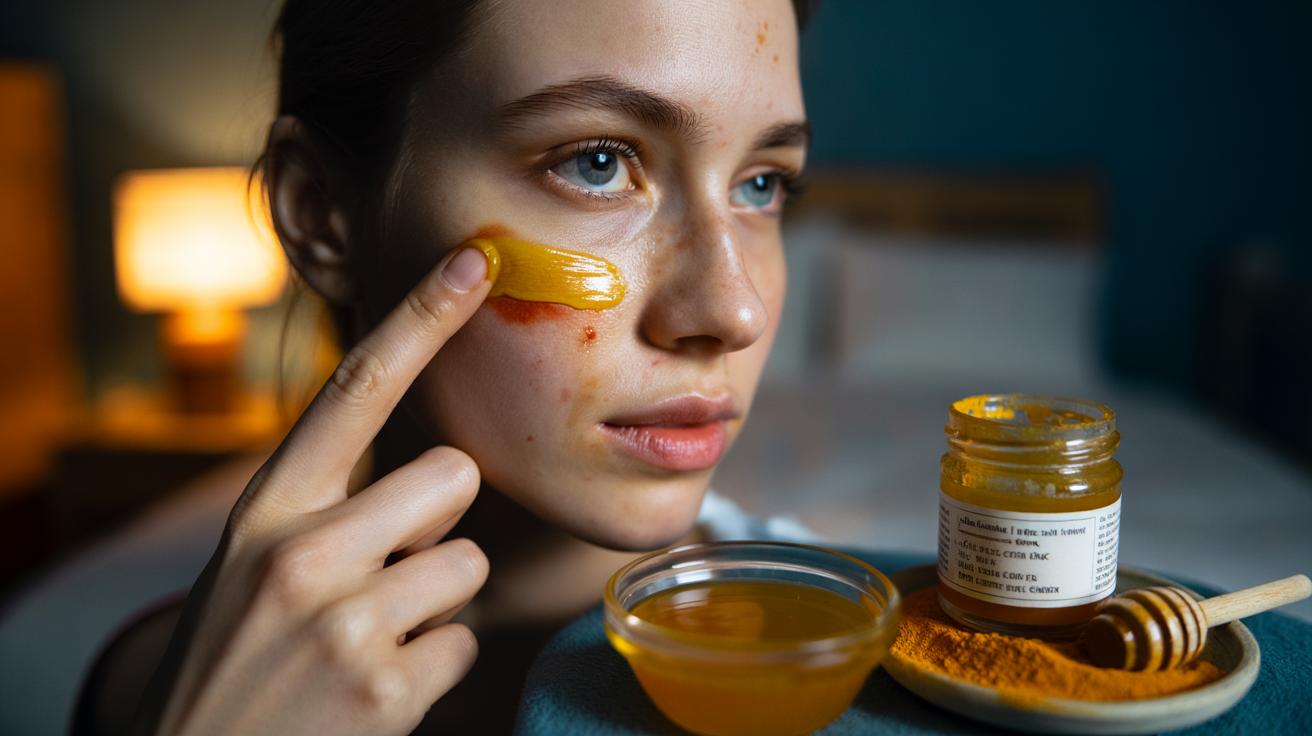
- 🛠️ Simple recipe: mix 1 tsp raw honey with 1/4 tsp turmeric, patch test, apply a thin targeted film overnight, then rinse and wear SPF in the morning.
- ⚠️ Safety first: avoid if allergic to bee products or yellow spices; don’t apply on raw or weeping spots; skip pairing with strong acids or retinoids on the same night.
- ⏱️ Expectations: overnight gains show mainly in redness and texture; pigment needs consistency (2–4 weeks), 2–3 nights weekly, plus strict daytime sun protection.
Among the avalanche of skincare hacks, the classic pairing of honey and turmeric keeps resurfacing for one reason: it often makes angry, fresh acne marks look calmer and brighter by morning. While no kitchen remedy is a miracle worker, there is credible science behind this overnight lift. Honey’s gentle acids and humectant pull can soften texture and diffuse redness, while turmeric’s antioxidant pigments nudge down inflammation and pigment activity. Used as a targeted, thin layer, the duo can make post-spot shadows appear less stark come sunrise. Set realistic expectations and patch test first if you have sensitive skin or allergies. Here’s how the pair works, what to expect, and the simple method that avoids mess and irritation.
Why Honey Helps Fresh Acne Marks
When a blemish has just flattened, the pinkish or purplish halo that lingers is often post‑inflammatory erythema (PIE), driven by dilated surface vessels rather than melanin. Raw honey can visually soften this by hydrating the stratum corneum and tamping down local inflammation. Its natural gluconic acid provides a whisper of exfoliation, lifting dull surface cells so light scatters more evenly. Some honeys also release trace hydrogen peroxide when diluted by skin moisture, offering a mild antimicrobial effect that supports a clean healing environment. If you’re allergic to bee products, avoid honey entirely.
Beyond chemistry, honey is a potent humectant, drawing water into the skin so fresh marks look plumper and less shadowed. Choosing unpasteurised or medical‑grade (such as manuka) ensures intact enzymes and consistent purity, though any high‑quality raw honey can help. Apply it as a thin, targeted film rather than a mask‑thick layer; this limits stickiness and reduces the chance of clogging around pores. Do not use honey on skin that is weeping, actively infected, or freshly picked.
Turmeric’s Brightening Chemistry
Turmeric’s golden pigment, led by curcumin, has well‑studied anti‑inflammatory and antioxidant effects that can quickly take the heat out of a mark. In laboratory models, curcumin modulates NF‑κB signalling and dampens reactive oxygen species—two pathways that flare during and after a spot. For brown‑toned marks (post‑inflammatory hyperpigmentation, or PIH), turmeric shows modest tyrosinase‑inhibiting activity, the same enzyme targeted by many brightening serums. This is why a light yellow stain on your cotton pads is often matched by a subtle brightening on skin the next day.
Practicalities matter. Use a tiny amount—about 1/4 teaspoon of culinary‑grade powder—or look for Kasturi turmeric (Curcuma aromatica), known to stain less. Mixing turmeric into honey helps keep particles evenly dispersed and reduces mess. Avoid essential‑oil‑laden blends that can irritate compromised skin. Turmeric can cause rare contact reactions; stop at any tingling that escalates to burning. Be mindful: turmeric will stain fabrics, so protect your pillowcase and towel.
A Step‑By‑Step Overnight Mask
Start with clean, completely dry skin. In a small bowl, blend 1 teaspoon of raw honey with 1/4 teaspoon of turmeric. For very dry skin, add two drops of squalane to improve slip; for oilier types, keep it simple. Patch test the mixture on the inner forearm for 12 hours first. In the evening, dot the blend directly onto fresh marks and the immediate halo rather than the entire face. Thin is in: a whisper‑light film works better and is less likely to migrate or clog.
Leave on for 45 minutes if you’re nervous about transfer, then tissue off excess and keep a micro‑layer on the marks overnight; or commit to true overnight wear with a silk‑safe pillow protector. Rinse with lukewarm water in the morning and follow with daily SPF to preserve any brightening. Repeat two to three nights per week. Expect overnight improvement mainly in redness and texture; deeper PIH often needs consistent use over 2–4 weeks, and sun protection is non‑negotiable. Avoid combining this mask with strong acids or retinoids on the same night.
Safety, Skin Types, and Realistic Expectations
The honey‑turmeric duo suits normal, combination, and dry skin, and can be adapted for oily types by keeping layers ultra‑thin. Those with eczema, rosacea, or reactive skin should patch test meticulously. If you have a known allergy to bee products or yellow spices, skip this entirely. Do not apply over raw, bleeding, or recently extracted spots; allow the skin to close first. For stubborn PIH or recurrent cystic breakouts, consult a GP or dermatologist, as prescription actives, light therapy, or chemical peels may be more appropriate. Remember: this blend can make marks look better quickly, but it won’t stop new acne without addressing triggers.
Set expectations by separating what improves fast (surface redness, dullness) from what takes time (pigment). Pair any night‑time brightening with daily sunscreen, gentle cleansing, and non‑comedogenic moisturiser. Results vary with skin tone, mark depth, and consistency of use. Below is a quick snapshot to guide choices and caution.
| Ingredient | Star Compounds | Primary Action | Best For | Watch‑outs |
|---|---|---|---|---|
| Honey | Gluconic acid, enzymes, trace peroxide | Hydration, mild exfoliation, calming | Red, fresh marks (PIE) | Bee allergies; avoid broken skin |
| Turmeric | Curcumin, antioxidants | Anti‑inflammatory, tyrosinase modulation | Early brown marks (PIH) | Fabric staining; rare irritation |
Used thoughtfully, honey + turmeric can make a newly healed spot look calmer and more uniform by morning, while steadily chipping away at residual tint with regular use. Keep layers feather‑light, protect your linen, and prioritise SPF to lock in gains. If nothing else, the ritual delivers instant comfort and a feeling of control on a frustrating skin day. What tweaks would you make—different honey, a touch of yoghurt, or a protective hydrocolloid over the mix—to tailor this overnight brightener to your skin’s quirks?
Did you like it?4.5/5 (25)