In a nutshell
- 💅 Nails grow ~2.5–3 mm/month, powered by the hidden nail matrix; topical care can’t speed biology, but better hydration and protection improve length retention by reducing splits and chips.
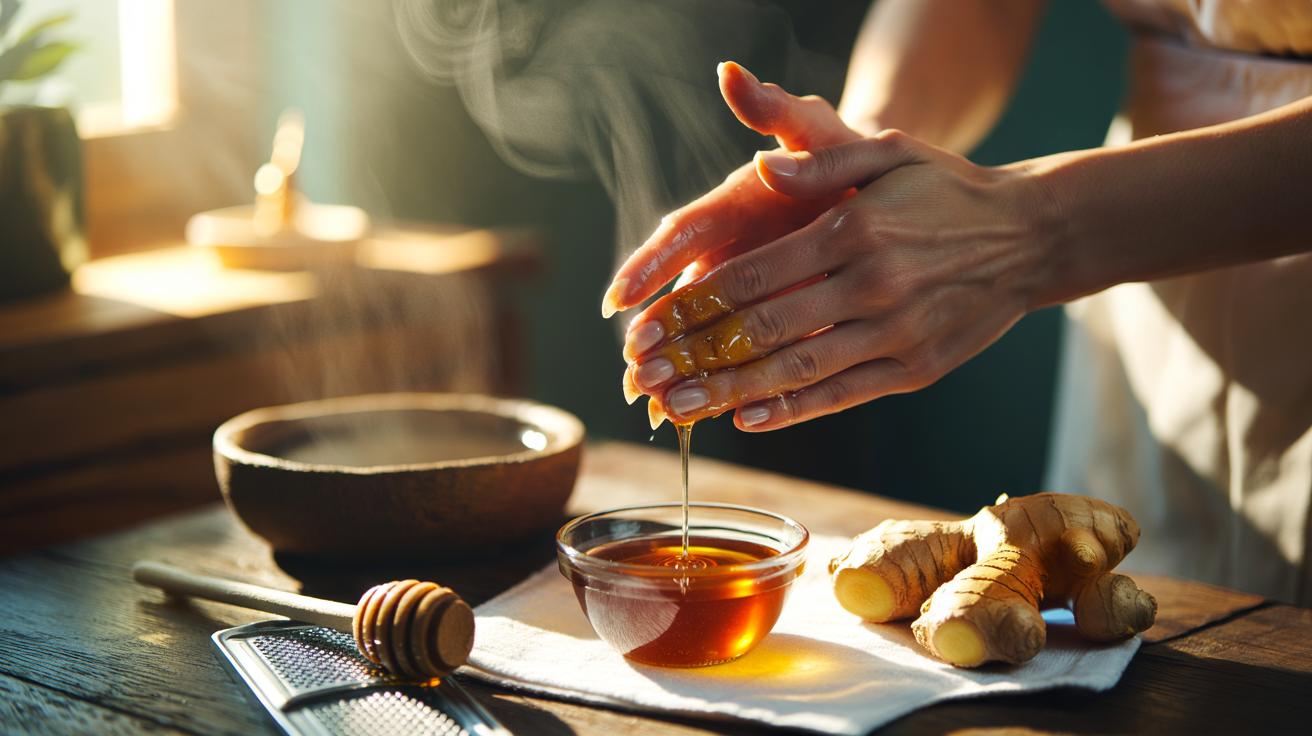
- 🍯 A honey + ginger paste conditions: honey acts as a humectant to soften cuticles, while ginger (rich in gingerols and shogaols) adds comforting warmth that makes massage feel more effective.
- 🔥 Gentle heat “feeds” the process via vasodilation and boosted microcirculation around the matrix, improving nutrient delivery; aim for warm (37–40°C), not hot, and limit sessions to 10–15 minutes.
- 🧪 How to use: mix 1 tsp raw honey + 1/4 tsp grated fresh ginger (optional drops of jojoba/olive oil), massage 3–5 minutes, then wrap hands warm for 10 minutes; finish with cream/oil and repeat 2–3 times weekly.
- 🛡️ Safety and results: patch test first, avoid broken skin or suspected infections, and support growth with protein, iron, and zinc; keep realistic expectations—heat and hydration help retention, not instant growth.
Sweetness meets spice in a beauty hack that refuses to fade: a simple blend of honey and ginger massaged over the nail and cuticle, often paired with gentle warmth. Fans claim it helps nails look longer in days, yet biology sets its own pace. What this soft, fragrant paste can do is nurture the nail’s fragile edges, improve suppleness, and support the surrounding skin, while heat encourages comfort and blood flow. Used intelligently, warmth “feeds” the nail unit by improving the environment in which keratin is made. Here is a clear-eyed guide to why this mix is popular, how heat plays a role, and the safest way to try it at home.
What Science Says About Nail Growth
Nails are made of keratin, produced in the nail matrix hidden beneath the cuticle. In healthy adults, fingernails typically grow about 2.5–3 mm each month. Genetics, general health, micronutrients such as iron, zinc, and biotin, and local blood flow all influence output. Topical care cannot rewrite your genetic blueprint, but it can protect fragile keratin layers and improve the performance of the cuticle barrier. That is central to “length retention”: preventing chips and splits so nails seem to “grow faster” simply because they break less.
Honey-and-ginger pastes sit in the care-and-conditioning category. Honey attracts moisture to the nail plate, easing brittleness, while ginger, with naturally warming aromatics, can make massage feel more effective around the matrix. Heat does not turbocharge keratin production, yet it can support circulation and comfort, creating better conditions for steady growth. Safeguard basics still matter most: consistent moisturising, gentle filing, and adequate dietary protein to supply amino acids for keratin.
Honey and Ginger: Why This Paste Is Popular
Raw honey is a classic humectant: it draws water into the upper layers of the nail and surrounding skin, softening rough cuticles and reducing flaking. It also carries natural enzymes and an acidic pH that can help keep the nail fold environment balanced. Ginger contains gingerols and shogaols linked to anti-inflammatory and warming sensations. Together, the pair creates a glossy, occlusive film that minimises water loss and encourages a slow, soothing massage ritual that benefits the nail bed.
| Component | Key Actives | Potential Nail Benefit | Evidence Level |
|---|---|---|---|
| Honey | Humectants, enzymes | Moisture retention, smoother cuticles | Supportive cosmetic data |
| Ginger | Gingerols, shogaols | Comforting warmth, reduces skin discomfort | Traditional use; limited topical data |
| Massage + Heat | Vasodilation via warmth | Improved microcirculation to the matrix region | Physiology-supported |
The effect is ultimately supportive rather than medicinal. Opt for raw, unheated honey for maximum humectant behaviour, and freshly grated ginger for aromatics. Avoid essential oils if you are sensitive. Keep expectations realistic: conditioning helps nails keep the length they achieve, which is what makes them look as if they are growing faster. Always start small and watch for irritation.
How Heat Feeds the Process
Warmth “feeds” nails indirectly. Heat encourages vasodilation, which boosts microcirculation around the nail matrix, the site of keratin manufacture. Better flow means a steadier supply of oxygen and nutrients already present in your bloodstream. Externally, gentle heat softens the cuticle and increases the pliability of the nail plate’s surface layers, making a humectant like honey feel more effective. Think of warmth as a primer: it prepares the tissue so your care routine lands where it should. The result is a healthier-looking contour and less snagging, which protects length.
Use heat safely. Aim for warm—not hot—temperatures, roughly bath-like (about 37–40°C). A brief soak, a warm flannel wrap, or thin cotton gloves warmed on a radiator provide controlled comfort. Ten to fifteen minutes is ample. Combine with slow massage to the sides of each nail to nudge capillary flow without trauma. Heat cannot change the fundamental speed of nail growth, but it can enhance comfort and consistency—two pillars of visible results.
Step-by-Step: Make and Use the Paste Safely
Mix 1 teaspoon raw honey with 1/4 teaspoon finely grated fresh ginger. For slip, add 3–4 drops of jojoba or olive oil. Clean nails, then warm your hands for two minutes under comfortably warm water. Pat dry. Apply a pea-sized amount per hand, working it into nails and cuticles for three to five minutes. Wrap hands in a warm flannel or wear thin cotton gloves warmed to a safe temperature for ten minutes to maintain gentle heat. Wipe off, rinse lightly, and seal with a plain hand cream or cuticle oil.
Use two to three times weekly. Patch-test on the inner wrist for 24 hours if you have sensitive skin or a history of allergies. Avoid use on broken skin, inflamed paronychia, or suspected fungal infections—seek pharmacist or GP advice instead. Keep nails shaped, avoid harsh removers, and prioritise dietary protein, iron, and zinc to support keratin. The visible win is fewer chips and splits, so length accumulates without the illusion of “overnight growth”. Consistency and gentle heat make the paste a pleasant, practical ritual rather than a miracle fix.
The honey-and-ginger ritual earns its reputation by softening, protecting, and encouraging steady care—then a touch of warmth helps the nail unit feel “fed” through improved circulation and softer cuticles. You still grow keratin at a human pace, yet you keep more of it on the tip, so nails look sleeker and longer in less time. Evidence supports the mechanism—hydration, occlusion, and warmth—not hype. Will you try this soothing routine for a month, track your nail length and breakage, and adjust the heat and frequency to discover what combination works best for your hands?
Did you like it?4.6/5 (21)