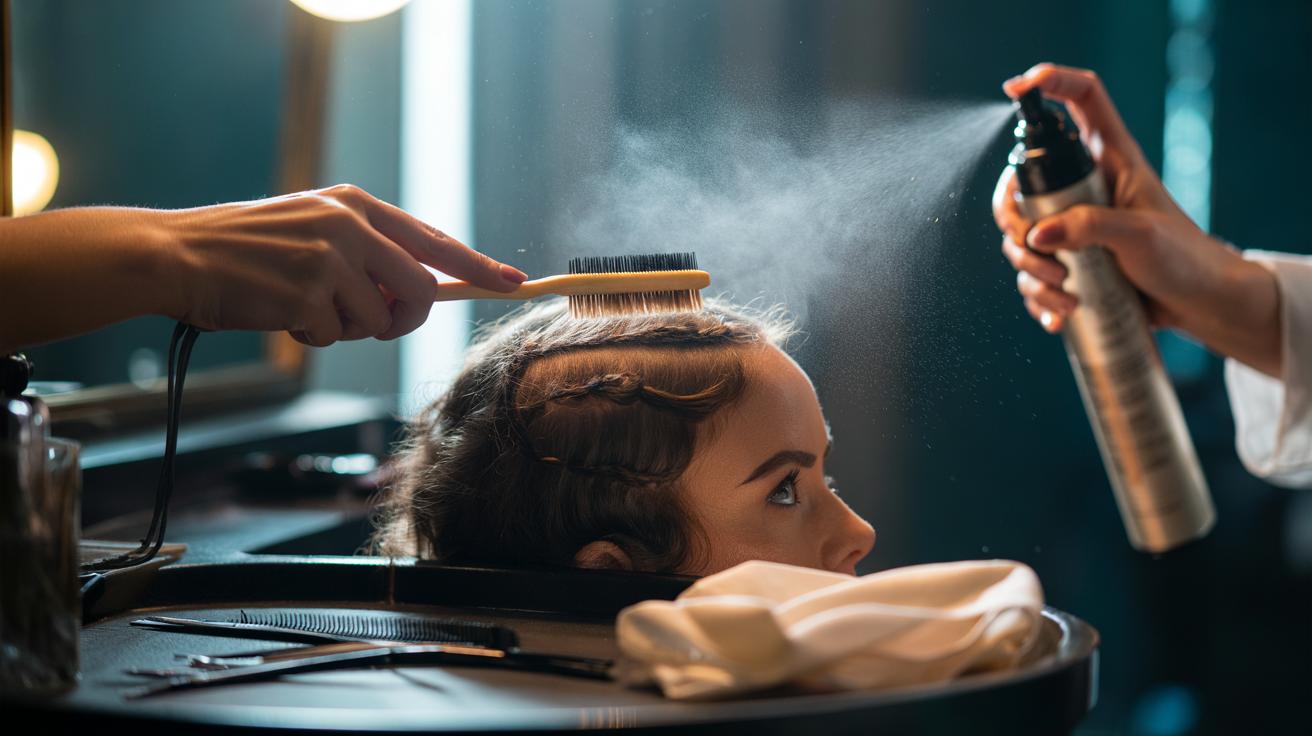
In a nutshell
- 🪥🧴 A toothbrush + hairspray combo offers precision for taming baby hairs and edges; mist the spray onto the brush for flexible hold without stiffness.
- 🧭 Step-by-step: cleanse the hairline, mist the brush from 20–25 cm, shape with short C-strokes in small sections, then set under a silk scarf—less product, more precision.
- 🧰 Tool match: soft bristles or a spoolie for fine/sensitive edges; boar-bristle for coily textures; pick alcohol‑free flexible-hold for daily wear or humidity‑resistant strong-hold for events.
- ♻️ Hygiene and sustainability: wash the styling brush weekly and replace every 4–8 weeks; consider refillable atomisers and recycle cans; avoid oversaturation, face-spraying, and product cocktailing that leads to flakes.
- 🎯 Results: versatile across textures for natural framing or sculpted swoops, delivering all-day, polished edges with a breathable, non-crunchy finish.
Across UK salons and backstage sets, a quiet revolution is keeping hairlines immaculate. Stylists are reaching for a humble toothbrush and a fine mist of hairspray to coax delicate baby hairs into smooth, polished edges. The pairing is inexpensive, portable, and astonishingly precise. A small brush head and tightly packed bristles deliver control where larger tools fail, while modern sprays leave a flexible film that resists humidity without stiffness. For clients, it means a crisp hairline that holds through a commute, a workout, or a long shift. Professional results no longer require a drawer of gels and waxes—just smart technique and the right touch.
Why a Toothbrush and Hairspray Tame Baby Hairs
At the root of this method is control. A toothbrush’s compact head and dense bristles create micro-tension along the hairline, guiding short, wispy strands into the exact direction you want. Unlike wide brushes, it targets individual flyaways, reducing pull on fragile follicles. A toothbrush offers the precision most standard brushes simply cannot match. Pair that with hairspray, and you gain a fine polymer net that dries quickly and locks strands together without heavy residue. For clients wary of stiff gels, it’s a clean, feather-light alternative that still delivers sleek edges.
Modern hairsprays use film-forming polymers that set into a flexible shield, helping baby hairs resist breeze, hat friction, and mild drizzle. Because the spray is misted onto the toothbrush—rather than directly onto the skin—you avoid stickiness on the forehead. The result is a natural sheen and definition, not a lacquered barrier. Think of it as micro-styling: small strokes, targeted hold, and a finish that lasts beyond the final mirror check.
Step-by-Step Technique for Salon-Smooth Edges
Begin with a clean hairline; remove oils and makeup that could disrupt adhesion. Lightly condition the area with a trace of leave-in if strands are very dry, then pat until nearly dry. Shake your hairspray and mist it onto the toothbrush from a 20–25 cm nozzle distance to avoid wet patches. With gentle, short strokes, sweep baby hairs along the desired curve. Work in small sections, adding a touch more mist to the brush as needed. Always mist the brush, not your face or hairline skin. This keeps hold controlled and prevents residue on pores.
Shape your edges with shallow C-motions around the temples and nape for a subtle, editorial look. If you prefer defined swoops, trace your guideline with the toothbrush, then press lightly with your fingertip. Set the style by wrapping a silk scarf for five minutes; the combination of gentle pressure and breathable fabric enhances the seal. Avoid overloading product—two light passes are better than one heavy application. Minimal product plus precise placement equals a clean, lasting finish.
Choosing the Right Brush and Spray for Your Hair
Not all hairlines behave the same, so match tools to texture. For fine or low-density baby hairs, a soft-bristled toothbrush or spoolie reduces tugging and spreads product evenly. For coily or highly textured edges, a firmer boar-bristle edge brush adds grip and shine without frizz. Consider scalp sensitivity: if redness or flaking occurs, switch to softer bristles and cleanse the brush frequently. When it comes to hairspray, alcohol-free or flexible-hold formulas suit delicate hair; stronger, humidity-resistant sprays support busy days, outdoor events, and gym sessions.
Fragrance-free options help clients prone to irritation along the hairline. For very fine hair, start with a single mist onto the brush and layer only if needed. If you love ultra-sleek results but dislike crunch, blend a pea-sized amount of lightweight serum over the area once the spray sets. The best combination is the one that delivers control without compromising comfort or scalp health. Below is a quick-reference guide to steer choices on the chair or at home.
| Tool/Product | Purpose | Best For | Pro Tip |
|---|---|---|---|
| Soft Baby Toothbrush | Precision smoothing | Fine–medium hairlines, sensitive scalps | Dampen bristles slightly for extra glide |
| Boar-Bristle Edge Brush | Grip and subtle shine | Curly/coily edges needing control | Shape with small C-strokes for definition |
| Flexible-Hold Hairspray (Alcohol-Free) | Soft, natural control | Fine hair, daily wear | Mist onto brush from 20 cm, use two light passes |
| Strong-Hold, Humidity-Resistant Hairspray | Long wear and frizz defence | Coily textures, active days, events | Finish with a silk scarf for five minutes |
Hygiene, Sustainability, and Common Mistakes
Designate a clean toothbrush solely for styling and wash it weekly with gentle shampoo, then air-dry bristles facing down. Replace every four to eight weeks to avoid product build-up and bent bristles. If aerosols bother your skin or the planet, decant hairspray into a refillable fine-mist atomiser where possible, and recycle emptied cans. Hygiene is non-negotiable: a spotless brush prevents residue, breakouts, and flaky edges. For clients with sensitive skin, choose unscented sprays and keep product off the forehead by loading the brush, not the hairline directly.
Common missteps include oversaturating the brush, spraying directly onto the face, and dragging bristles harshly against the skin. Heavy application creates a crispy halo and visible flakes. Instead, build hold gradually and set with a scarf. Avoid mixing too many stylers; gel plus strong hairspray can lead to chalky aftermath. If you need extra shine, add a drop of lightweight oil on fingertips once the edges are dry. Precision beats quantity every time.
This deft pairing of toothbrush and hairspray has moved from industry secret to everyday staple because it delivers. With smart product choice, clean tools, and light-handed technique, baby hairs stay supple, not crunchy, and edges look polished from morning to night. The method scales for all textures and lifestyles, whether you favour soft, natural framing or sculpted swoops that photograph beautifully. Small tools, careful strokes, and breathable hold create results that feel as good as they look. How will you adapt this approach to your own hairline—will you opt for flexible control or a humidity-proof hold for your next big day?
Did you like it?4.5/5 (25)