In a nutshell
- 🔄 Hairdressers recommend a 1-minute upside-down scalp massage to boost microcirculation and relax scalp tension, helping hair look fuller and growth appear faster over time.
- 🧭 Technique: bend forward, use finger pads in circular motions—20s gentle, 20s medium, 20s firm—avoiding tugging; practice daily for 8–12 weeks for consistent results.
- 🧪 Evidence is encouraging but limited: massage may improve hair thickness and reduce perceived shedding; it’s not a cure for androgenetic alopecia but complements nutrition and topical care.
- 🛠️ Tools that help: use 2–3% diluted rosemary or peppermint in jojoba for glide, consider a soft boar bristle brush to distribute sebum, and keep routines short and consistent.
- ⚠️ Safety first: avoid if you have uncontrolled hypertension, glaucoma, vertigo, neck issues, or pregnancy; stop if dizzy, keep pressure gentle at the hairline, and never apply neat essential oils.
It sounds almost too simple: a one-minute upside-down scalp massage championed by UK hairdressers that enthusiasts say can “double” the pace of new growth. The method pivots on quick, targeted stimulation to coax a healthier scalp ecosystem, encouraging strands to look fuller over time. Stylists stress that techniques matter as much as timing—pressure, motion, and consistency drive the benefits. It is not a miracle cure, yet many salon pros consider it a practical add-on to your existing routine. Below, we explain why inversion can help, how to do it safely, when to use oils, and what the research—and real-world experience—actually supports about hair growth acceleration.
How the Upside-Down Massage Works
Hairdressers describe the upside-down scalp massage as a swift, stimulating routine that briefly increases blood flow to the scalp. By bending forward, you change the angle of circulation to the head, while finger-pad pressure creates a wave of mechanical stimulation. This dual effect may support the hair follicle environment by influencing local nutrient delivery and releasing tension in the galea aponeurotica, the connective tissue often blamed for “tight scalp” sensations. The aim is not to invert for long periods but to amplify microcirculation for just 60 seconds. Pros also say regular massage can help distribute natural oils more evenly, which improves scalp comfort and the appearance of shine without weighing hair down.
Results hinge on technique. Gentle, medium, then firmer pressure in circular motions can nudge follicles without causing irritation. Stylists report clients notice softer roots, less stiffness, and a subtly plumper look at the crown after several weeks. Expect incremental gains—think improved density feel and better hair-behaving days—rather than overnight transformations. For anyone managing breakage, the routine pairs well with a balanced diet, adequate protein, and evidence-based topicals, reinforcing a broader, healthier approach to hair care.
Step-by-Step: The 1-Minute Technique
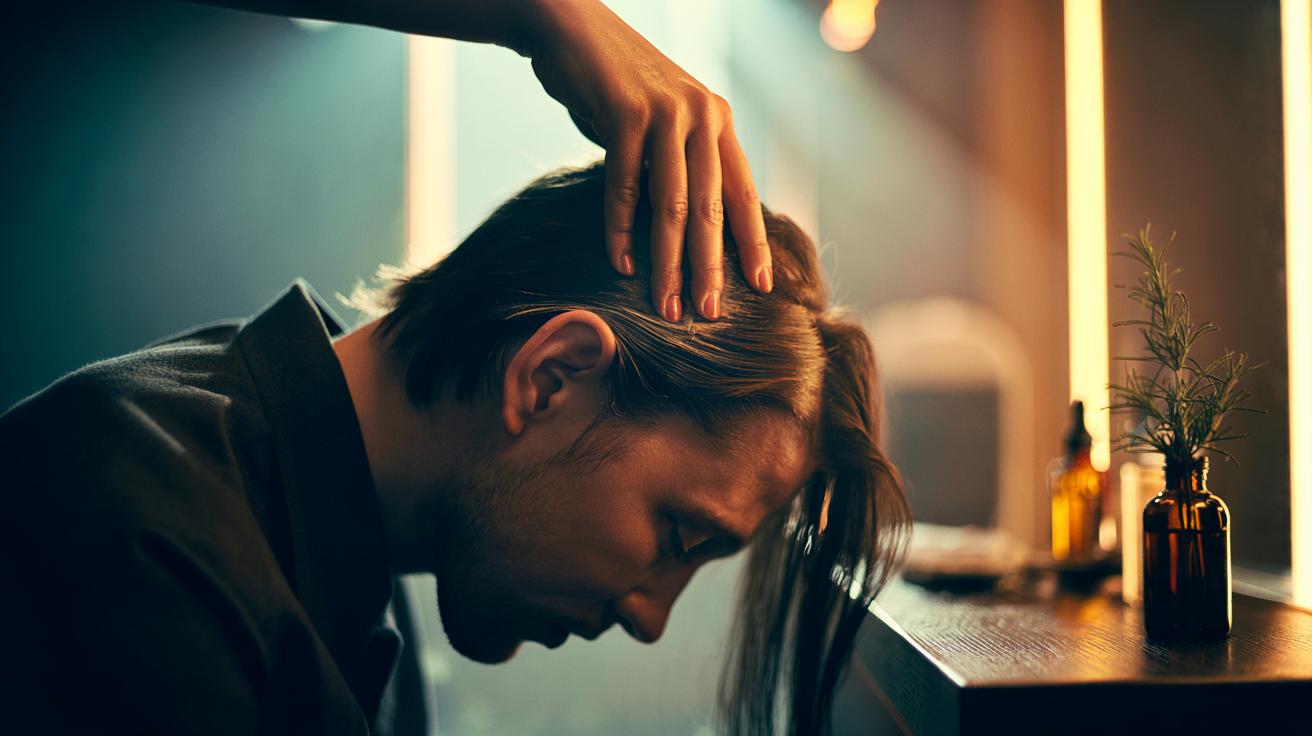
Start seated on a chair, feet flat, back straight. Bend forward from the hips so your head points down, letting your neck stay relaxed. Using the pads of your fingers—not your nails—trace small circles across the entire scalp. Work the front hairline, temples, crown, and nape in sequence. Begin with gentle pressure for 20 seconds, medium for 20 seconds, and a firmer finish for 20 seconds. Keep movements controlled and rhythmic; avoid tugging. Stop immediately if you feel dizzy or uncomfortable, and slowly return upright, pausing before you stand to prevent head rush. Many stylists suggest pairing the massage with deep breaths for a relaxing end-of-day ritual.
Consistency wins. Aim for one minute daily for at least 8–12 weeks. You can do it on clean, dry hair or after applying a few drops of a diluted scalp oil to reduce friction. Never apply neat essential oils directly to the scalp. If you use heat styling, perform the massage once hair has cooled to avoid irritation. Those with extensions or tight styles should be extra gentle along the hairline and anchor points, keeping motions light to prevent stress on the follicles.
What the Science and Stylists Say
While “doubles hair growth” is a catchy promise, the evidence is more nuanced. A small Japanese study found that standardized scalp massage increased hair thickness over time, likely via mechanical stimulation of follicles. Surveys of people adopting daily manual scalp massage also report perceived improvements in shedding and density. These findings are encouraging but not definitive, and individual responses vary. Salon veterans say the technique’s real-world power lies in combining better blood flow with stress relief and improved scalp hygiene—factors that can tip everyday hair into a healthier cycle.
It is not a replacement for treatments addressing androgenetic alopecia or medical causes of thinning. Instead, think of it as a low-cost, low-effort amplifier to habits you already value: balanced nutrition, gentle cleansing, and smart styling. Hairdressers often note faster-looking growth because reduced breakage and an optimised scalp environment let you retain length more reliably. In short, the massage can make your growth look faster by helping more of what you grow actually stay on your head.
Oils, Brushes, and Timing: Tools That Help
Used judiciously, oils can boost glide and soothe the scalp. Popular choices include diluted rosemary or peppermint essential oil in a carrier like jojoba, argan, or pumpkin seed. Keep essential oils at about 2–3% dilution and patch test behind the ear. Some stylists add a soft boar bristle brush after the massage to distribute sebum down the shaft for natural shine. Less is more: a few drops, warm palms, and light pressure prevent buildup. Time your routine when it fits your life—post-shower for calm evenings, or mornings before styling if your hair tolerates a micro-amount of oil.
Here is a quick reference guide for the routine:
| When | Duration | Pressure | Oil Option |
|---|---|---|---|
| Daily, preferably same time | 60 seconds | Gentle → Medium → Firm | 2–3% rosemary or peppermint in jojoba |
| After wash or before bed | 1 minute only | Finger pads, circular motions | 1–3 drops, patch test first |
Consistency beats intensity. If you notice irritation or excess oil, scale back frequency or skip oils and massage dry. Clarify once every few weeks if you use products often, and keep the scalp clean to support a balanced microbiome.
Who Should Avoid It and Safety Tips
While the upside-down method is brief, it still counts as a form of inversion. Avoid or consult a clinician before trying if you have uncontrolled high blood pressure, glaucoma, retinal issues, vertigo, neck or spine problems, recent surgery, or are pregnant. Those prone to migraines may prefer a neutral head position and shorter sessions. Keep nails trimmed, avoid aggressive scrubbing, and never massage over infected or inflamed areas. If you have conditions like psoriasis or seborrheic dermatitis, be gentle and stick to products approved by your dermatologist.
If dizziness occurs, stop, sit upright slowly, and hydrate. For traction-prone hair, keep pressure light at the hairline. Choose non-comedogenic carriers if you have acne-prone skin, and wash pillowcases regularly. The safest routine is the simplest: one minute, controlled motions, and a scalp that feels relaxed—not sore—afterwards. Any routine that hurts the scalp is counterproductive to growth. Track progress with monthly photos under the same light to judge changes objectively.
For many readers, the biggest surprise is how much difference a minute can make when you repeat it day after day. The upside-down scalp massage offers a practical nudge to circulation and comfort, and paired with smart care—gentle cleansing, balanced diet, reduced heat—it can help you retain the length you earn. Think of it as training your scalp to be a more hospitable place for hair. Will you try the 60-second ritual for the next month, note how your scalp feels, and see whether your brush gathers fewer broken strands? What will your routine look like if it works for you?
Did you like it?4.5/5 (22)