In a nutshell
- 🍋 Science at work: albumin in egg white forms a tightening film while lime’s citric acid (AHA) lowers pH, smooths the surface, and reduces sebum for smaller-looking pores—temporarily.
- 🥄 Safe recipe: Whisk 1 egg white with 1–2 tsp lime juice, apply in thin layers for 8–10 minutes, then rinse and follow with a gentle moisturiser and daytime SPF; always patch test.
- ⚠️ Safety first: Citrus can cause phototoxicity—avoid sun exposure after use; use pasteurised egg whites, keep off broken skin, and skip on days you use retinoids, AHAs, or benzoyl peroxide.
- 👩⚕️ Who it suits: Best for oily/combination skin; those with sensitive, eczema, or rosacea-prone skin should minimise acid or avoid; limit to 1–2 times weekly.
- ⏳ Expectations: Delivers a quick matte “lift,” but pores don’t truly close; for lasting refinement, pair with niacinamide, salicylic acid (BHA), and retinoids.
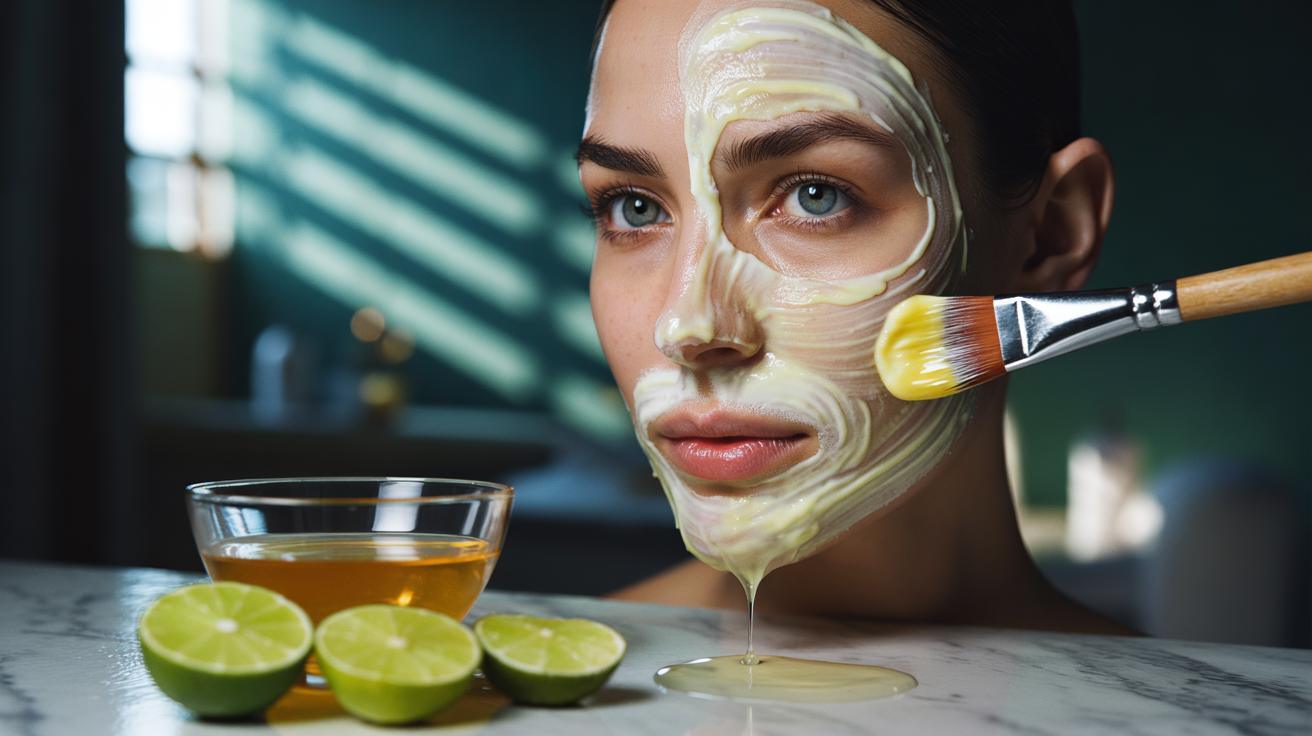
DIY beauty rituals have a way of blending kitchen simplicity with cosmetic curiosity. The perennial favourite is the egg white and lime mask, a quick fix said to leave skin taut and pores refined before a night out or an important video call. Far from folklore, there is science humming beneath the foam: proteins in egg white and the acids in lime combine to create a temporary tightening effect that changes how light bounces off your skin. This is a cosmetic optical upgrade, not a structural renovation. Here’s how the partnership between albumin and citric acid works, how to mix it safely, and who should steer clear.
How Acid and Protein Create a Pore-Tightening Film
The star of an egg white is albumin, a water-soluble protein that unfolds and links together as it dries. Spread thinly on skin, it forms a breathable film that contracts slightly, producing an immediate, perceptible “lift.” Add lime juice and you introduce citric acid, an alpha-hydroxy acid (AHA) that lowers the surface pH. This acidic environment helps albumin coagulate faster, reinforcing the film, while gently loosening bonds between dead cells at the pore rim. The result is a smoother micro-surface that reflects light more evenly, so pores appear smaller.
Lime’s acids also help emulsify excess sebum, cutting the greasy sheen that exaggerates pore visibility. A tighter film plus reduced oil equals crisper-looking skin in minutes. It’s crucial to note that pores do not truly “close” and their baseline size is largely genetic. What you gain here is a short-lived, camera-ready finish—useful for events, not a substitute for long-term care.
Mixing It Right: Ratios, Method, and Skin Types
For a balanced mask, whisk 1 fresh egg white with 1 to 2 teaspoons of freshly squeezed lime juice until lightly foamy. Sensitive or dry skin? Start with 1 teaspoon to keep the acid load modest. Apply a thin layer to cleansed skin, avoiding the eye and lip contours. After one minute, add a second thin coat for even film formation. Leave for 8 to 10 minutes, or until comfortably taut, then rinse with lukewarm water and pat dry. Follow with a bland moisturiser and daytime SPF.
Always perform a 24-hour patch test on the inner forearm. Oily or combination skin often enjoys the best immediate payoff; normal skin can tolerate occasional use. If you’re prone to rosacea, eczema, or very dry skin, keep lime juice to a minimum or skip entirely. Frequency matters: once or twice weekly is ample. Overuse risks barrier disruption and rebound oiliness, undermining the very clarity you’re chasing.
Safety Notes: Acids, Citrus, and Hygiene
Limes bring more than tang: they contain furocoumarins that can trigger phototoxicity on sun exposure. Do not apply this mask before outdoor activity, and use broad-spectrum SPF the next day. Stinging is expected for a few seconds; burning or intense redness is your cue to rinse immediately. Avoid pairing the mask on the same day with other potent actives such as retinoids, additional AHAs, or benzoyl peroxide—your skin barrier will thank you.
Mind hygiene. Raw egg can harbour bacteria; opt for pasteurised egg whites when possible, prepare with clean utensils, and discard leftovers. Never use on broken, freshly shaved, or sunburnt skin. Those with egg allergies must avoid contact entirely. If you experience persistent irritation or dermatitis, pause the routine and switch to a bland, fragrance-free regimen until calm returns, then reconsider whether this mask is right for you.
What Results to Expect and How It Compares
You’re playing for an instant payoff: a matte finish, a firmer feel, and pores that look tidier for a few hours. The mask excels as a pre-event touch-up or a reset after a humid commute. But it doesn’t remodel oil glands or change pore anatomy; for that, look to evidence-led actives used consistently. Niacinamide can help reduce the look of enlarged pores over time; salicylic acid (BHA) exfoliates inside the pore; retinoids normalise cell turnover. Clay masks absorb oil but won’t create the same protein “shrink-wrap” sensation.
| Aspect | Key Takeaway |
|---|---|
| Primary mechanism | Albumin film tightens; citric acid smooths and degreases |
| Effect duration | Visible for hours; fades after cleansing or moisturising |
| Best for | Oily/combination skin needing quick polish |
| Not ideal for | Sensitive, eczema, or rosacea-prone skin |
| Frequency | 1–2 times weekly to avoid barrier stress |
| Critical caution | Avoid sun after citrus; use SPF |
This mask tightens the look of pores temporarily, not permanently. Treat it as a smart cosmetic hack, then build your routine on proven daily ingredients and sun protection.
Used intentionally, an egg white and lime mask can deliver a clean, lifted complexion exactly when you need it—no filters required. The trick is respecting the chemistry, tailoring the acid dose to your skin’s resilience, and keeping an eye on sun safety and hygiene. Think of it as a backstage tool that complements, not replaces, long-haul skincare. Consistency with gentle actives beats one-off theatrics, but there’s room for both in a balanced routine. How will you tailor the ratios, timing, and aftercare to make this quick fix work for your skin without tipping into irritation?
Did you like it?4.4/5 (26)