In a nutshell
- 🔴 A soft, natural 12-hour stain comes from pairing cornstarch (oil control, blur) with beet powder (betalain pigment) for a believable, skin-like flush.
- 🧪 Clear DIY ratios: sift fine powders, start at 10–45% beet to 55–90% cornstarch, and use a trace of citric acid to steady colour; keep small, dated batches.
- 🖌️ Smart application: prep by skin type, build sheer layers, use a lightly damp brush for a watercolor effect, and set edges with cornstarch; the blend doubles as a lip tint.
- 🧴 Safety and storage: patch test, keep tools dry, store in opaque jars with optional desiccant; anhydrous formula lowers microbial risk, lasting about 2–3 months.
- 🎨 Shade customization: add cocoa for warmth, hibiscus for cooler wine tones, or kaolin for extra oil control, targeting undertones for a truly natural finish.
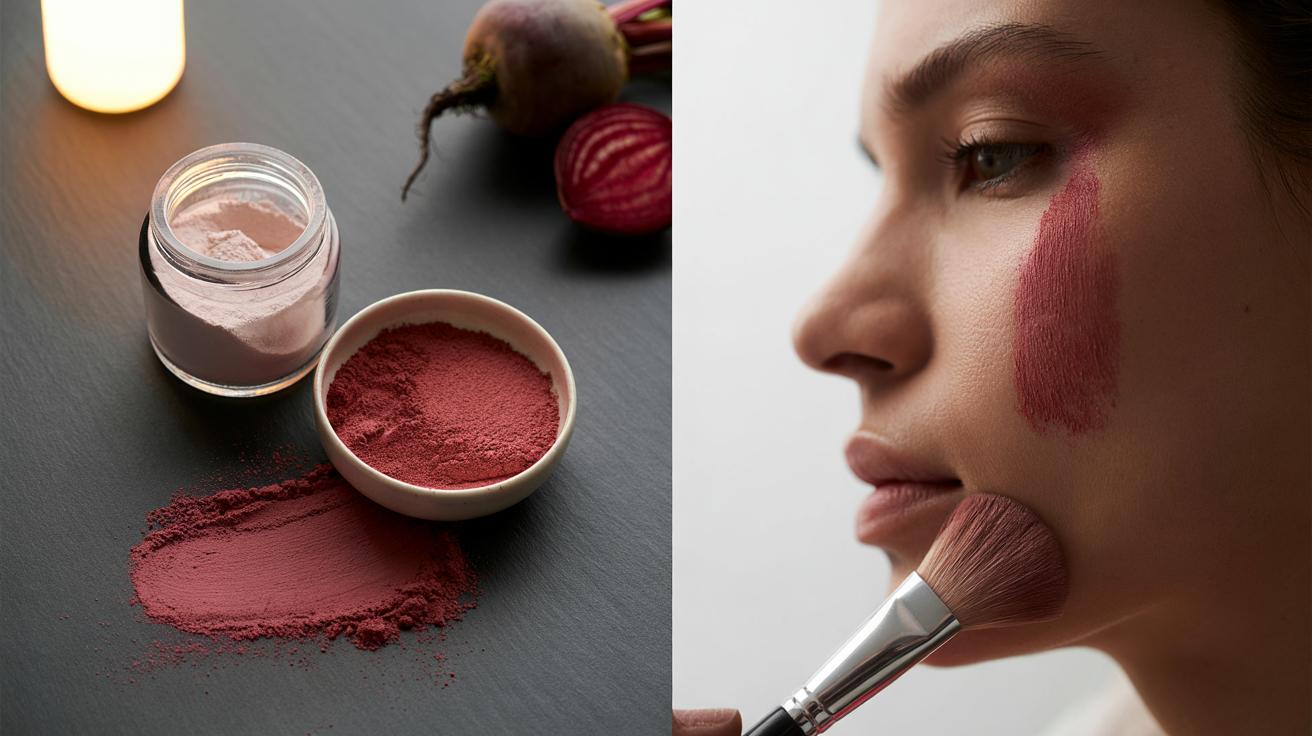
In a beauty world tilting back toward kitchen-cupboard simplicity, the pairing of cornstarch and beet powder has emerged as a quietly brilliant blush. It promises a soft-focus bloom of colour that resists midday fade, with a whisper of satin and a believable “walked-in-cool-air” flush. The secret is a 12-hour stain effect that anchors pigment without silicones or synthetics. Cornstarch manages shine and blurs texture, while powdered beetroot supplies vivid betalains that latch on to skin for hours. Expect a finish that reads natural, not powdery or chalky. Always patch-test new blends on the inner arm, and mix small batches to keep freshness at its peak. With a good brush and a light hand, the result is a buildable tint that looks like you—from the gym commute to an evening train home.
Why Cornstarch and Beet Powder Work
Think of cornstarch as a lightweight scaffold. Its silky particles mop up surface oil, reduce glare, and create a micro-velvet finish that grips colour. That oil control is crucial: sebum is the chief culprit in melting cream blushers, so absorbing it prolongs wear and preserves tone. Cornstarch also diffuses edges, letting a bold berry shade read as a believable flush. Beet powder contributes betalain pigments—chiefly betanin—that behave like a gentle stain. These water-soluble molecules bond lightly to the upper layers of skin, giving that “from within” look without the opaque mask of conventional powders.
Stability matters. Betanin is most colour-true in a slightly acidic environment, so a tiny pinch of food-grade citric acid can support hue integrity. Add only the smallest amount—just enough to nudge pH. The synergy is simple: cornstarch curbs slip and shine, beet pigments tint, and together they deliver a breathable, plant-based flush that endures through meetings, errands, and humid commutes.
How to Mix a 12-Hour Stain at Home
Start with fine, culinary-grade ingredients: 1 teaspoon cornstarch, 1/8–1/2 teaspoon beet powder, and an optional grain of citric acid for colour stability. Sift both powders twice to remove clumps. For a true stain effect, keep the blend dry and apply with a slightly damp brush, or press over moisturised skin so the betalains bond. Begin with less pigment and build in sheer layers. If you need extra slip, add a rice powder pinch; if you crave a creamier glide, blend a droplet of aloe gel in your palm just before application rather than altering the jarred powder.
| Shade Goal | Beet Powder (%) | Cornstarch (%) | Optional Adjuster | Finish Note |
|---|---|---|---|---|
| Fair, soft pink | 10–15 | 85–90 | Rice powder 5% for silk | Sheer, brightening |
| Light–medium rose | 20–25 | 75–80 | Citric acid trace | Balanced, natural |
| Medium–tan berry | 30–35 | 65–70 | Cocoa 1–3% for warmth | Richer, sun-touched |
| Deep crimson | 40–45 | 55–60 | Hibiscus 1–2% for wine | Bold, staining |
Label your jar with ratios and date. Use clean, dry tools to prevent clumping and microbial growth. One teaspoon yields dozens of applications, so keep batches modest and refresh every two to three months.
Application Techniques for Natural, Long Wear
Prep dictates wear. On oily skin, tap a whisper of plain cornstarch on cheeks first to create grip. On dry skin, use a light gel moisturiser so pigment fuses rather than dusts away. Swirl a soft, small brush, tap off excess, then smile and place colour on the apple, sweeping back toward the ear. Let the first veil settle for 60 seconds, then add a second. The stain deepens as the betalains interact with moisture, so wait before deciding whether to add more.
For a dewier flush, mist the brush once with water and press the powder on—think watercolor, not paint. To lock it for 12 hours, buff a fingertip of cornstarch over the edges only, maintaining a skin-like centre. Blend a smidge on the bridge of the nose for cohesion. The same mix doubles as a lip tint: pat a speck onto balm for a softly bitten finish that echoes the cheeks.
Safety, Storage, and Shade Customization
Beetroot allergies are uncommon, but conduct a 24-hour patch test on the inner elbow, especially if you have sensitive skin. Store your blend in a dry, opaque pot away from steam. Because this is an anhydrous powder, the microbial risk is low, yet utensils must stay bone-dry. If you live in a humid home, tuck a cosmetic-grade desiccant sachet under the lid. Shelf life is typically two to three months before aroma or hue gently dulls—make smaller, fresher batches rather than stockpiling.
Tune undertone like a formulator. Add cocoa powder for warmth, hibiscus for a cooler wine note, or kaolin clay (up to 10%) for extra oil management on hot days. Avoid essential oils; they can irritate and destabilise the mix. For photo flashback, keep cornstarch dominant but not excessive. The aim is a natural stain that flatters your baseline complexion, not a one-size-fits-all pink.
In the end, this two-ingredient blush nails what many high-street powders miss: believable colour, comfortable wear, and a quietly polished texture that stays put from breakfast to lights-out. With cornstarch tempering shine and beet powder delivering a soft stain, you tailor the depth, undertone, and finish in minutes. Keep tools dry, layer with patience, and note your favourite ratio for easy remakes. If you try it, which tweak—warmer cocoa, cooler hibiscus, or extra cornstarch for blur—do you think would best match your everyday complexion and routine?
Did you like it?4.5/5 (28)