In a nutshell
- ❄️ Cold water triggers vasoconstriction, briefly reducing redness and shine for smaller-looking pores; the effect is cosmetic and short-lived.
- 🧪 Alum (potassium alum) works as an astringent via protein precipitation, tightening feel and mattifying; avoid on broken or sensitised skin and keep contact short.
- 🔄 Routine: pH-balanced cleanse → cool splash (10–20s) → brief alum application → rinse → moisturiser → daytime SPF; limit to 2–3 times weekly to prevent irritation.
- ⚖️ Expectations: Pores don’t permanently shrink; use this duo for instant refinement while building long-term results with niacinamide and gentle exfoliation.
- 🇬🇧 Tips & cautions: Hard water can leave residue—use a good cleanser; skip alcohol-heavy toners; those with rosacea or very dry skin should keep water cool (not icy) and minimise exposure.
That bracing splash of cold water after a cleanse is a ritual as old as bar soap, and alum’s quick pinch is its time-honoured partner. Together they deliver the crisp sensation of skin that feels tighter and looks more refined. But what’s really happening on the surface? The duo exerts a swift, temporary effect: temperature cools the skin, while alum acts as a classic astringent. This piece unpicks the science, weighs the benefits and limits, and offers a careful way to use both so you get the matte, smooth look you want without provoking irritation. Pores don’t truly shrink, but their visibility can be managed with smart technique and respect for your skin’s barrier.
What Cold Water Actually Does to Your Skin
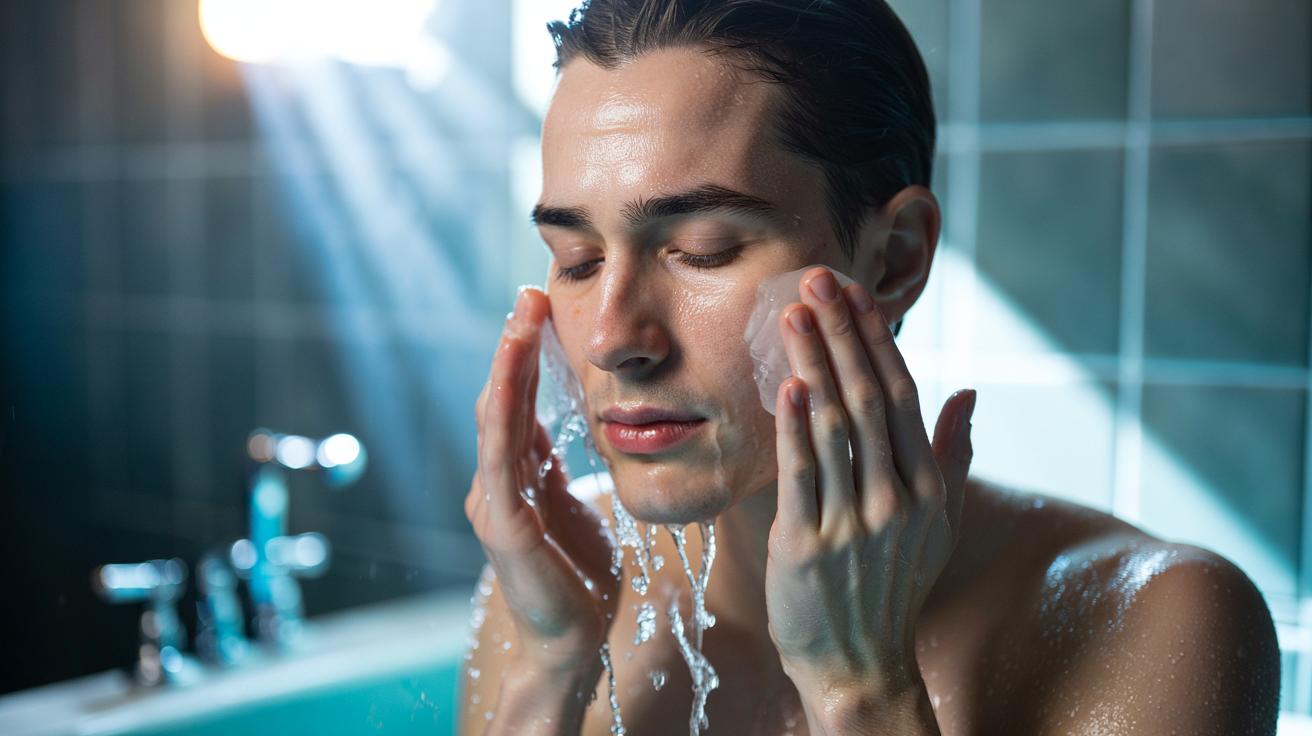
Cold water triggers superficial vasoconstriction, which briefly reduces redness and puffiness around follicles. As the skin cools, the area surrounding the pore tightens slightly, giving the impression of a smaller opening. Sebum also becomes a touch more viscous, so shine can appear toned down. This is a short-lived optical effect rather than a structural change. Think of it as a camera filter: useful for the moment, not a rebuild. Pores do not open or close; they only appear larger or smaller based on oil, debris, and surrounding tissue tone.
Used after a gentle, pH-balanced cleanser, a cool rinse can feel refreshing and help calm post-cleansing redness. It suits oilier skin types, post-gym routines, or hot-weather mornings. But extremes are unhelpful. Very cold water can aggravate reactive faces, especially those prone to rosacea or eczema, by stressing capillaries and the barrier. Aim for cool to cold—not icy—and keep contact brief. The goal is quick constriction and a comfortable reset, not a polar plunge.
How Alum Works as an Astringent
Alum—typically potassium alum (potassium aluminium sulfate)—is a mineral salt famed for its styptic, aftershave sting. Its astringency stems from protein precipitation: it lightly coagulates surface proteins in the stratum corneum and within follicular openings, creating a firmer, tighter feel. That micro-tightening can reduce the look of enlarged pores and tamp down surface oil. Alum also has mild antiseptic qualities, which is why traditional barbers reach for it on nicks.
Because alum solutions are acidic and drying, technique matters. Keep contact time short, use a dilute solution or a lightly wetted stone, and monitor for tightness that tips into irritation. Do not apply alum to broken skin or immediately after strong exfoliation. People with sensitive or barrier-impaired skin should be cautious; a rinse-off approach followed by a moisturiser helps preserve comfort. Remember: alum is not the same as antiperspirant actives such as aluminium chlorohydrate; its role here is momentary tightening, not sweat control.
Using Cold Water and Alum Together After Cleansing
For a tidy, post-cleanse routine: cleanse with a mild, fragrance-free wash; splash with cool-to-cold water for 10–20 seconds; pat until damp. Glide a wetted alum stone lightly over areas with visible pores, or press on a very dilute alum solution with cotton. Wait 30–60 seconds to feel the astringent set. Rinse to remove residue, then seal with a humectant-rich moisturiser. Sunscreen follows in the morning. Used two or three times weekly, this sequence delivers a clean, matte finish without overstripping. Short contact and adequate moisturising are the safeguards against rebound oiliness and irritation.
Who benefits? Combination to oily skin, those with midday shine, and anyone seeking quick refinement before makeup. Who should be wary? Very dry, sensitised, or rosacea-prone skin, and anyone using potent actives that day. The effect is cosmetic but pleasing—an instant tidy-up that pairs well with long-term pore-care strategies.
| Method | Main Action | Sensation | Duration of Effect | Best For |
|---|---|---|---|---|
| Cold water | Vasoconstriction; reduces puffiness | Refreshing, tight | Minutes to an hour | Post-cleanse redness, quick tone |
| Alum | Protein precipitation; mattifies | Sting, then firmness | 1–3 hours | Shine control, visible pores |
| Cold water + alum | Combined constriction and tightening | Cool pinch, smooth | Several hours (variable) | Pre-makeup refinement |
Science, Myths, and What to Expect
It’s vital to set expectations. Pore size is largely genetic and linked to oil gland activity; what we can change is the perception of size by disciplining shine, calming redness, and keeping follicular openings clear. Cold water and alum do this quickly, but the payoff is temporary. These effects are transient; they do not permanently shrink pores. For steadier gains, build a routine with non-comedogenic sunscreen, gentle exfoliation, and ingredients such as niacinamide that help regulate oil and improve texture over time.
Practical details matter. In many UK regions, hard water leaves mineral residue that can dull skin feel; a pH-balanced cleanser limits that film. Avoid harsh, alcohol-heavy toners that over-dry, triggering rebound oil. An alum stone is low-waste and long-lasting, but use sparingly and listen to your skin’s response. Tight and matte should never cross into flaky and sore—comfort is the sign you’re in the right zone.
Used with intention, cold water and alum offer a brisk, barbershop-smart finish: smoother optics, calmer tone, and a shine check that makes makeup sit better. Respect the barrier with short contact, rinse-off use, and a supportive moisturiser, and save daily heavy-duty tactics for genuinely oily days. Then let the long-term heroes—SPF, consistent cleansing, and targeted actives—do the quiet foundational work. What would your ideal post-cleanse minute look like if you balanced instant refinement with long-term skin health?
Did you like it?4.4/5 (28)