In a nutshell
- 🧊 Cold teabag compress combines chill-driven soothing with tea caffeine and polyphenols to support skin elasticity, delivering subtle improvements in texture and tone rather than dramatic erasure.
- 🌫️ Silver stretch marks (striae albae) reflect thinner dermis and reorganised collagen/elastin; they rarely vanish, but targeted care can reduce contrast and improve suppleness.
- ☕ Caffeine tightens the look of skin via mild vasoconstriction and cAMP signalling, while tea catechins like EGCG help defend structural proteins; cooling amplifies comfort and a smoother appearance.
- 🧴 Practical use: steep 1–2 minutes, chill, apply 5–10 minutes, then seal with a moisturiser; patch-test, avoid broken skin, and prioritise consistency over intensity, especially for sensitive or pregnant users.
- 📊 Evidence and expectations: direct trials on stretch marks are limited; pair the compress with emollients, gentle exfoliation, and appropriate retinoids/peptides, or consider professional treatments, tracking results over 8–12 weeks.
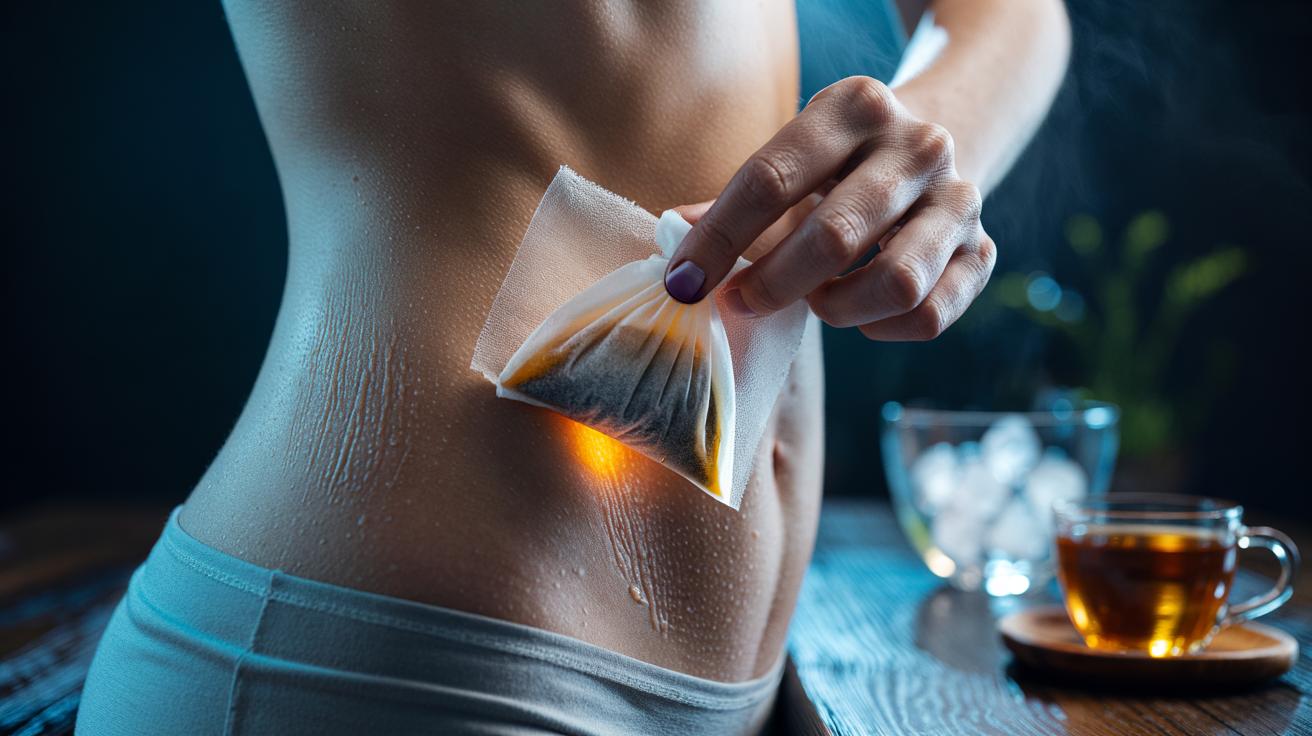
Across British bathrooms and baby groups, a homespun tip has been gaining traction: press a cold teabag onto pale, silvery stretch marks to soften their look. The idea blends simple cryotherapy with plant chemistry, banking on caffeine and tea polyphenols to nudge skin toward better elasticity. While it sounds like a pantry cure, there is plausible science beneath the steam. Tea’s cooling compress can calm irritation, and its active compounds may support collagen against everyday stress. This is not a miracle fix, but for many, a low-cost, low-risk ritual brings comfort—and sometimes a smoother, more even-toned appearance over time.
Why Some Stretch Marks Look Silver and What That Means
Fresh stretch marks—striae rubrae—often appear pink or purple, then fade to silvery lines as they mature into striae albae. That sheen reflects thinner dermis and reorganised collagen fibers after rapid skin expansion during growth spurts, pregnancy, or weight change. The result is a narrow groove where elastin has fragmented, and light scatters differently from the surrounding tissue. Once mature, striae rarely vanish completely, but texture, colour contrast, and suppleness can improve with consistent care that focuses on hydration, gentle stimulation, and barrier support.
Cooling the area with a cold teabag introduces two influences: temperature and botanicals. The chill can settle itch and reduce surface redness, while tea’s polyphenols provide antioxidant support. When combined with massage-like pressure, a compress may encourage local comfort and a modest plumping effect from transient vasomotor changes. Expect subtle refinements rather than dramatic erasure, especially in long-established, pale marks where collagen remodeling is slow and conservative.
How Caffeine May Influence Skin Elasticity
Caffeine is a small, bioactive molecule known for its vasomodulating and lipolytic effects. Topically, it can tighten the look of skin by mild vasoconstriction, reducing puffiness and visual shadowing along fine grooves. In cell and ex vivo studies, caffeine raises cAMP signalling, a pathway linked to adipocyte activity and fibroblast behaviour, with knock-on effects for tissue tone. Tea also carries EGCG and other catechins, powerful antioxidants that may help guard collagen and elastin from oxidative stress, a factor that undermines resilience.
Importantly, the “cold” part matters. Cooling provides an immediate soothing effect, curbs micro-itch, and may temper low-grade inflammation around stretched tissue. Paired with caffeine’s tightening feel, a chilled compress can deliver a short-term smoother look while potentially supporting long-term elasticity through routine care. Think of caffeine as a cosmetic booster, not a replacement for evidence-led treatments such as retinoids (when appropriate), moisturisers rich in ceramides, and professional therapies.
Using a Cold Teabag Compress: Practical Steps and Safety
Steep a standard black or green tea bag for 1–2 minutes, squeeze gently, then refrigerate in a clean container until very cool. Press the cold teabag onto clean, dry skin for 5–10 minutes, once daily or several times a week. Follow with a bland moisturiser to lock in hydration. Consistency beats intensity: a regular, brief ritual is kinder to skin than extended sessions that risk irritation. Do not scrub the area; let the compress rest, and rinse if any residue causes itching.
Patch-test first, particularly if you have sensitive skin or a history of eczema. Avoid applying to broken skin or using scalding-hot water to prepare the bag. If you are pregnant or breastfeeding, keep it simple: stick to short, cool compresses and neutral emollients, and seek advice from your GP or midwife before adding actives. Stop if stinging, rash, or dryness develops, and switch to fragrance-free moisturisers to repair the barrier.
| Tea Type | Key Compounds | Approx. Caffeine | Use Tip |
|---|---|---|---|
| Black Tea | Caffeine, theaflavins | Medium–High | Good for brisk, tightening feel |
| Green Tea | EGCG, caffeine | Low–Medium | Gentler, antioxidant-focused |
| Decaf Variants | Polyphenols (lower caffeine) | Very Low | Option for very sensitive skin |
What the Evidence Says: Benefits, Limits, and Expectations
Cosmetic studies show that caffeine-containing gels can improve the appearance of firmness and reduce the look of swelling, while tea catechins like EGCG exhibit antioxidant and anti-glycation activity that helps protect structural proteins. However, robust trials on stretch marks specifically are scarce. Most data come from research on cellulite, puffiness, or general photoaging. The realistic promise is modest visual refinement—better tone, a touch more suppleness, and less contrast—rather than full reversal of mature striae.
For bigger gains, combine the compress with proven basics: daily emollients, gentle exfoliation once or twice weekly, and, when suitable, topical retinoids or peptides targeted at collagen support. Professional options—microneedling, laser, radiofrequency—have stronger evidence for remodelling but carry costs and downtime. A cold teabag is a low-barrier entry: affordable, soothing, and compatible with a broader routine. Track progress over 8–12 weeks with photos in the same light to judge any subtle improvements honestly.
In the end, the charm of a cold teabag lies in its blend of comfort and chemistry: instant calm from the chill, a tidier look from caffeine, and antioxidant back-up from tea polyphenols. Expect gentle improvements in texture and contrast rather than vanished lines, and align the ritual with moisturisers and, if appropriate, targeted actives. Small, steady habits usually outperform sporadic overhauls. If you try it, what routine—compress, emollient, and perhaps a clinic treatment—would you combine to give your skin the fairest shot at lasting elasticity?
Did you like it?4.4/5 (28)