In a nutshell
- 🔬 Caffeine supports follicles by prolonging the anagen phase and countering DHT; massage improves microcirculation, with noticeable changes over weeks, not days.
- ☕ Coffee grounds provide gentle scalp exfoliation, clear buildup, and boost circulation; pair the scrub with a formulated caffeine shampoo for a reliable active dose.
- ⚠️ Use with care: fine, damp grounds and feather-light pressure reduce abrasion, irritation, and staining; avoid broken or inflamed skin and capture grounds to protect drains.
- 🧪 Evidence is encouraging but limited (small, short, often industry-funded); caffeine is a helpful adjunct—not a replacement—for options like minoxidil and medical assessment.
- 🧭 Practical routine: massage 60–90 seconds, rinse thoroughly, follow with caffeine shampoo weekly; patch-test and track results over 8–12 weeks to tailor frequency.
Can sprinkling your morning brew on your head really wake up your hair? The idea sounds wild, yet there’s a kernel of science behind it. In labs and small clinical trials, topical caffeine has been shown to nudge follicles into a more active rhythm and to counter some of the hormonal pressures that shrink strands over time. Coffee grounds add a gritty boost: a gentle scrub that may lift flakes, stimulate microcirculation, and clear a path for healthy growth. Still, the ritual needs nuance. What you massage, how long you leave it, and the products you pair it with can make the difference between a brighter scalp and needless irritation.
Why Caffeine Can Support Hair Growth
When applied to the scalp, caffeine can penetrate the follicle sheath and increase intracellular signalling, notably via cyclic AMP, which may prolong the anagen phase—the period when hair actively grows. Some studies suggest caffeine also blunts the miniaturising effect of DHT by supporting follicle vitality, especially in androgen-sensitive areas. Massage itself increases blood flow, delivering oxygen and nutrients to roots. Topical caffeine is not an instant hair-growth drug, but it can support follicles under stress from hormones, inflammation, or tight styling. In practice, that support often looks like fewer shed hairs at wash time, thicker-feeling fibres, and better scalp comfort over weeks rather than days.
Dosage and delivery matter. Lab studies typically use 0.001–1% caffeine in leave-on or rinse-off formats, balanced for pH and absorption. A home scrub made from coffee grounds contains unpredictable amounts of caffeine, and its benefits may lean more toward exfoliation and circulation than pharmacological action. That’s why many trichologists recommend combining gentle mechanical exfoliation with a formulated caffeine shampoo or tonic, ensuring both a cleaner scalp environment and a reliable active concentration. Think of grounds as a booster to scalp care, not a substitute for targeted treatments where thinning is significant.
Coffee Grounds on the Scalp: Benefits and Limits
The gritty texture of damp coffee grounds acts as a mild scalp exfoliant, lifting product residue and dead cells that can clog follicles and dull roots. A light massage can enhance microcirculation, which many people describe as a warm, enlivened sensation—helpful for those with sluggish, flaky, or oily scalps. The brew’s natural acids can also leave hair feeling a touch smoother. Used with care—once a week and in fine particles—grounds can support a fresher scalp ecosystem that’s more hospitable to growth. Pairing the scrub with a caffeine shampoo afterwards may add a targeted active hit.
There are caveats. Grounds can be too abrasive for sensitive skin, eczema, psoriasis, or recently bleached hair; they may temporarily tint very light hair; and they can clog drains if not captured. The caffeine dose from grounds is variable and likely low compared with formulated products. Over-scrubbing risks micro-tears and increased irritation. Use only fine, damp grounds and very light pressure, avoiding broken skin and inflamed patches. If you experience persistent itching, flaking, or shedding, pause and speak to a GP or trichologist—especially if hair loss runs in the family or has escalated quickly.
How to Use Coffee Grounds Safely at Home
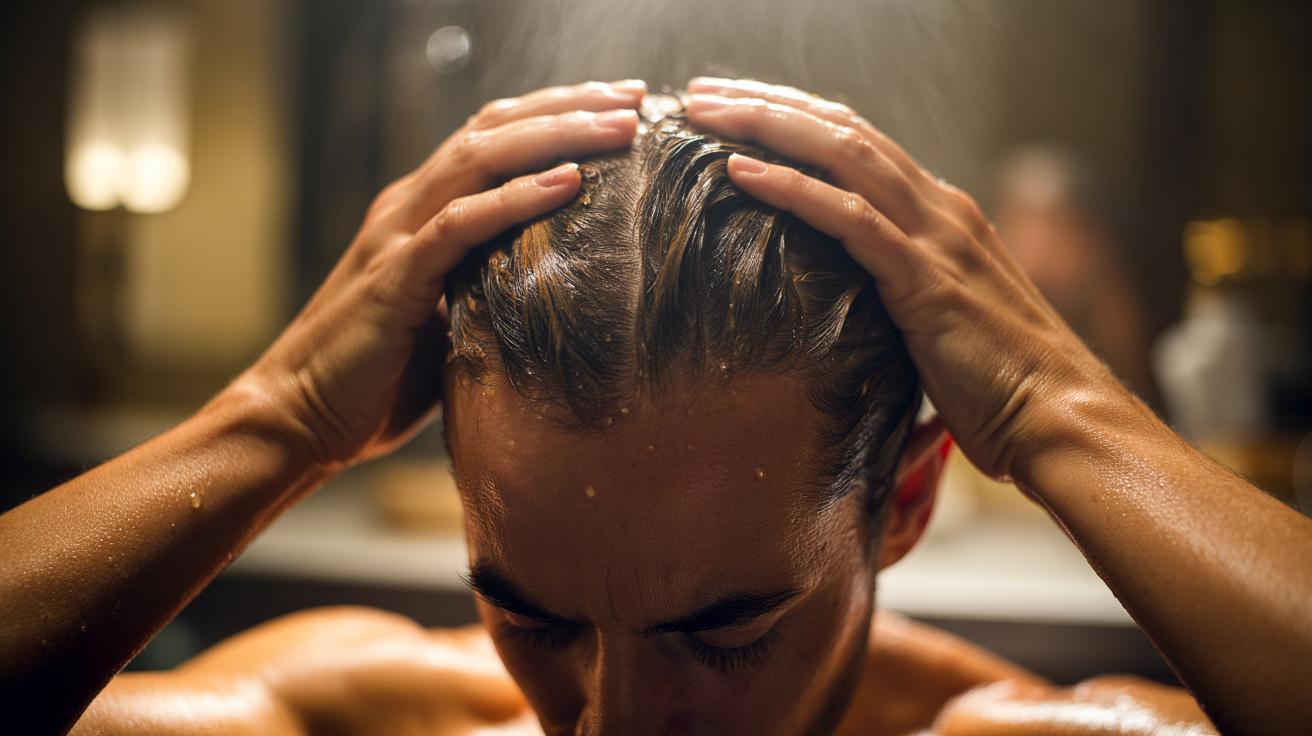
Brew your coffee as usual, then cool and squeeze-dry a small handful of fine grounds until just damp. In the shower, section hair and apply to the scalp—not the lengths—using fingertips to make tiny circles for 60–90 seconds. Keep pressure feather-light to avoid abrasion. Rinse thoroughly with lukewarm water, then follow with a caffeine shampoo to deliver a measured active dose. Finish with a silicone-free conditioner on the mid-lengths and ends, keeping the scalp clear. Limit to once weekly; fragile scalps may prefer every two weeks.
Patch-test first: rub a pea-sized dab behind the ear for 24 hours. Skip if the scalp is sunburnt, freshly dyed, or actively inflamed. Those with very light or porous hair should test for staining. To protect plumbing, catch grounds with a drain strainer and dispose in food waste. If you are pregnant, nursing, or on topical treatments like minoxidil, check compatibility and timing with a pharmacist. Consistency is key—track results over 8–12 weeks with photos and a simple shedding count.
| Step | Purpose | Key Caution |
|---|---|---|
| Fine, damp grounds | Gentle exfoliation and circulation boost | Avoid harsh pressure; skip broken skin |
| Rinse thoroughly | Prevent residue and itch | Use a drain strainer |
| Caffeine shampoo | Reliable active dose to support anagen | Select 0.2–1% caffeine formulas |
| Weekly schedule | Results without over-exfoliation | Reduce frequency if sensitive |
What the Science Says and What It Doesn’t
Evidence for topical caffeine is encouraging but not conclusive. Ex vivo studies on human follicles show enhanced shaft elongation and reduced androgen-induced suppression. Small clinical trials report improvements in hair density and reduced shedding with caffeine shampoos and tonics, sometimes performing similarly to standard comparators over short periods. Most studies are small, short, or industry-funded, and methods vary. That means real-world outcomes will differ by person, with best responses seen when caffeine is part of a broader routine that addresses scalp health, stress, nutrition, and styling habits.
Crucially, coffee grounds aren’t the same as a formulated active. Their main contribution is mechanical—clearing the scalp so targeted products can work better. For pattern hair loss, evidence-backed options include minoxidil, low-level laser devices, and, under supervision, oral therapies; caffeine can complement, not replace, these. If shedding spikes, widening parts appear, or scalp symptoms persist, seek medical advice to rule out thyroid, iron, or autoimmune causes. Treat the ritual as supportive care that keeps the scalp clear and follicles receptive.
Used thoughtfully, coffee grounds can energise the scalp while caffeine supports follicles through measured, routine exposure. The combination of light exfoliation, improved microcirculation, and targeted actives offers a realistic, low-cost path to healthier-looking hair—provided you patch-test, pace the scrubs, and measure progress with photos rather than hype. It’s a boost, not a miracle. If you’ve tried a grounds scrub or a caffeine shampoo, what changes did you notice at the eight-week mark, and how might you refine the routine to suit your scalp’s temperament next season?
Did you like it?4.6/5 (24)