In a nutshell
- ☕️ Coffee delivers caffeine that supports follicles, may counter DHT, prolongs the anagen phase, and boosts microcirculation; use as a cooled rinse or gentle scrub (note subtle darkening on darker hair).
- 🍌 Banana supplies potassium, vitamin B6, and silica to support scalp tissue and keratin pathways; as a mask it acts as a humectant to smooth baby hairs, while diet-wise it complements protein, iron, and zinc (avoid if latex-allergic).
- 🧴 Practical routine: twice weekly apply cooled coffee spray and massage, then a banana–yoghurt mask for 10 minutes; avoid hot water, keep a sulphate-free wash, and consider a morning coffee mist with an evening mask for convenience.
- 🧪 Evidence and caveats: small trials back caffeine shampoos; banana is supportive rather than stimulatory; patch-test, and consult a GP for dermatitis, psoriasis, or concurrent hair-loss treatments.
- 📈 Results and tracking: expect quick cosmetic smoothing but allow 8–12 weeks for structural gains; take like-for-like photos, focus on reduced flyaways and fuller-looking hairlines, and prioritise consistency and gentle handling.
Among beauty rumours that actually hold water, the humble pairing of coffee and banana might be the most budget-friendly fix for wispy baby hairs. These fine strands along the hairline can look fuller when the scalp is energised and the hair shaft is better nourished. Used smartly—topically and in the diet—coffee supplies a kick to the follicle environment, while banana offers cushioning nutrients that support resilience. This is not a miracle cure for medical hair loss, but a practical routine that can improve appearance and scalp vitality. When combined with patient application and sensible expectations, the duo can help baby hairs feel denser, lie flatter, and visually thicken at the root.
The Science Behind Coffee at the Follicle
Topical coffee delivers its hero active: caffeine. In laboratory studies, caffeine has been shown to counter the miniaturising effect of DHT on hair follicles and to prolong the anagen (growth) phase. A cooled coffee rinse or caffeine-infused scalp tonic can support the micro-environment around emerging hairs. Massage matters: the physical act boosts microcirculation, helping oxygen and nutrients reach roots more efficiently. Expect a cosmetic lift quickly, while structural improvements need consistent use over weeks.
Antioxidants in coffee—such as chlorogenic acids—can help neutralise oxidative stress that undermines follicle activity. Meanwhile, using fine coffee grounds as a gentle scrub can dislodge sebum build-up and styling residue that block the scalp’s surface, allowing treatments to penetrate. Go lightly: a soft, circular motion once weekly is enough to avoid abrasion. If your scalp is sensitive, patch-test first and avoid aggressive exfoliation.
There are aesthetic perks, too. Coffee rinses can lend a subtle depth to darker hair, making baby hairs less flyaway and more blended with the hairline. That visual coherence contributes to the impression of thickness. Still, keep perspective: evidence is strongest for formulations with known caffeine concentrations, whereas kitchen brews vary. Consistency and careful technique are your allies.
Banana’s Nutrient Profile and Its Role in New Growth
Bananas bring a cluster of supportive nutrients: potassium for cell fluid balance, vitamin B6 for protein metabolism, and plant-derived silica associated with collagen integrity in the scalp’s connective tissue. In masks, banana’s natural sugars and lipids can smooth the cuticle of baby hairs, reducing frizz and flyaways so strands sit closer together. Smoother, light-reflective fibres appear thicker, even before genuine strengthening takes place.
As part of a balanced diet, bananas contribute gentle energy and micronutrients that underpin keratin synthesis when combined with adequate protein, iron, and zinc. Topically, banana purée behaves like a humectant, drawing moisture to hairline fuzz that tends to dry out under heat styling and harsh cleansers. To keep the focus on roots, apply a thin layer to the scalp and hairline only, then rinse thoroughly to avoid residue. If you have a latex allergy, skip banana masks due to possible cross-reactivity.
For clarity on what each does, use this snapshot before you blend your routine.
| Ingredient | Key Actives | Root Mechanism | Topical Use | Dietary Benefit |
|---|---|---|---|---|
| Coffee | Caffeine, antioxidants | Supports follicle signalling; reduces oxidative stress | Rinse/tonic; gentle scrub | Minor; focus on topical for roots |
| Banana | Potassium, B6, silica | Nutrient support for scalp tissue and keratin pathways | Moisturising mask | Contributes to overall hair nutrition |
How to Use Coffee and Banana Together, Plus Evidence and Caveats
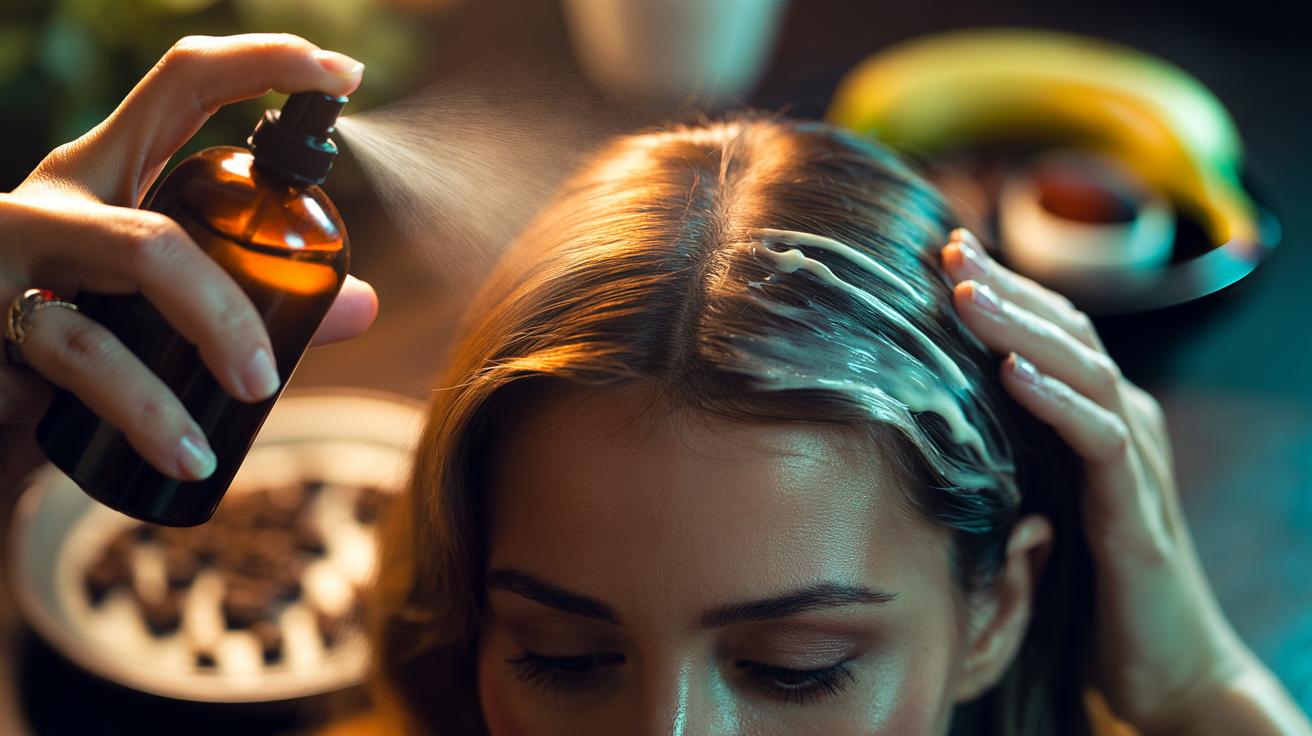
Try a two-step ritual twice a week. Step one: brew 250–300 ml of strong coffee, cool completely, and decant into a spray bottle. Saturate the hairline and massage for two minutes, then wait five minutes. Step two: blend half a ripe banana with two tablespoons of plain yoghurt and a teaspoon of light oil (jojoba or grapeseed). Apply sparingly to the hairline and the first few centimetres of scalp; leave for 10 minutes and rinse well with lukewarm water. Avoid very hot water, which lifts cuticles and roughens baby hairs.
For speed, you can split days: coffee in the morning as a leave-on mist (dab off excess), banana mask in the evening with a thorough rinse. Keep the rest of your routine simple: a mild, sulphate-free cleanser, a light conditioner, and heat protection. Track progress with fortnightly front-facing photos in similar lighting and note reduced flyaways, improved lay, and less visible scalp at the hairline. Patience is essential over 8–12 weeks.
Evidence check: small clinical trials support caffeine shampoos for androgen-related thinning, while banana’s role is supportive rather than stimulatory. This routine helps the scalp environment and fibre quality; it does not replace medical care for sudden shedding or patchy loss. If you have dermatitis, psoriasis, or are on hair-loss medication, consult a pharmacist or GP before experimenting. Brunettes may love the slight darkening from coffee; very light hair may prefer a clear caffeine serum instead to avoid tint. Always patch-test new mixes behind the ear for 24 hours.
Used with intent, the coffee-and-banana duet can feed the roots with caffeine-driven stimulation and nutrient cushioning, while smoothing the delicate fibres that frame your face. The method costs pennies, fits neatly into a Sunday-night routine, and respects the slow biology of growth. The smartest win comes from consistency, gentle handling, and realistic goals rather than viral “overnight” promises. If you give this a fair trial, what changes first for you: the way baby hairs lie, the look of your hairline in photos, or the overall feel of scalp vitality—and how will you measure it next month?
Did you like it?4.5/5 (24)